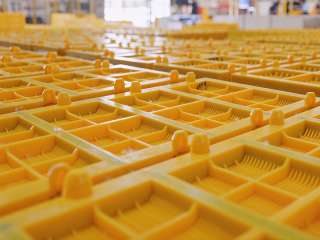
 Polyurethane Screens in the Beneficiation of Chromium Ore">
A properly optimized Polyurethane Screen Design built for chromium ore beneficiation can extend average panel service life to 3 to 5 times that of traditional metal Screens, drastically cutting spare parts consumption and unplanned downtime
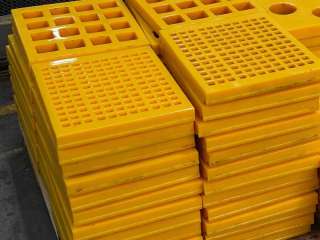 Polyurethane Screens">
For industrial operations, documented factory quality inspection process is one of the most important ways to avoid unexpected premature failures and unplanned downtime on site
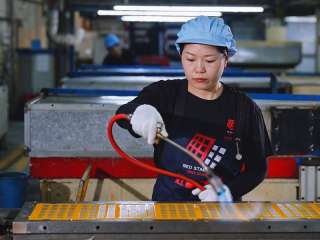 Polyurethane Screens In Preventing Clogging for Screening Sticky Materials">
Processing sticky, high-moisture materials like clay-rich spodumene is a constant fight against screen blinding The structural design of Polyurethane Screens tackles this problem at its source
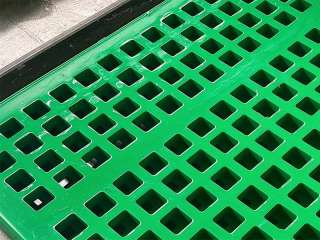 Polyurethane Screens and Respective Application Scenarios">
Selecting the right Polyurethane screen panel requires careful consideration of aperture shape, as it directly impacts performance For Polyurethane screen panels, the three primary shapes—round, square, and slotted apertures
 Polyurethane Screens During the Screening Process">
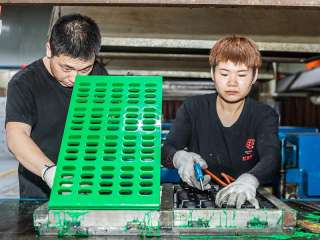
Don t wait for a screen to crack and fail to diagnose hydrolysis By proactively analyzing the hydrolysis resistance of the Polyurethane panel, you can select Screens designed for the environment
 Polyurethane Screens for Aggregate Washing and Screening">
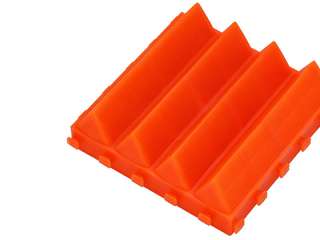
In aggregate washing and screening plants, achieving efficient dewatering while withstanding constant abrasive and hydraulic wear is a major operational challenge Polyurethane Screens have become a go-to solution
 Polyurethane Screens for Heavy Mineral Ore Beneficiation">
Polyurethane Screens are a popular choice, but not all PU is created equal Relying on generic material specs is a gamble
 Polyurethane Screens in Sand Washing">
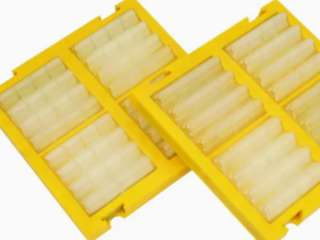
Sand washing operators love Polyurethane Screens — until they get the invoice These flexible panels deliver impressive dewatering performance, but the consumable costs add up quietly across a busy production line
 Polyurethane Screens in flammable dust environments">
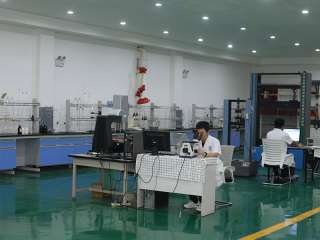
Properly deployed antistatic Polyurethane Screens eliminate 90% of hidden static spark risks in high-flammability dust zones while retaining all the wear and efficiency benefits of regular Polyurethane mesh
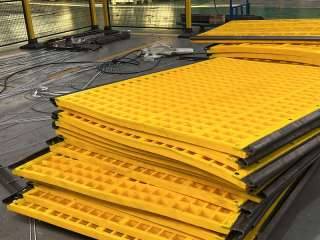 Polyurethane Screens in the Screening of Fine-Grained Particles">
A properly designed high open-area Polyurethane screen can push fine particle screening efficiency above 95%, while still retaining the wear resistance and long service life that PU media is known for
