For grain processing, coal washing, and fine chemical powder screening teams
that have faced costly safety audit failures or near-miss dust explosion
incidents from standard non-conductive screen decks, properly deployed
antistatic polyurethane screens eliminate 90% of hidden static spark risks in
high-flammability dust zones while retaining all the wear and efficiency
benefits of regular polyurethane mesh. Unlike generic polyurethane screens that
build up dangerous static charge during high-frequency vibration and fine
particle friction, these specially formulated variants safely dissipate stray
charge to ground, making them a non-negotiable upgrade for any site operating
under dust safety regulations.
Core Antistatic Material Safety Design
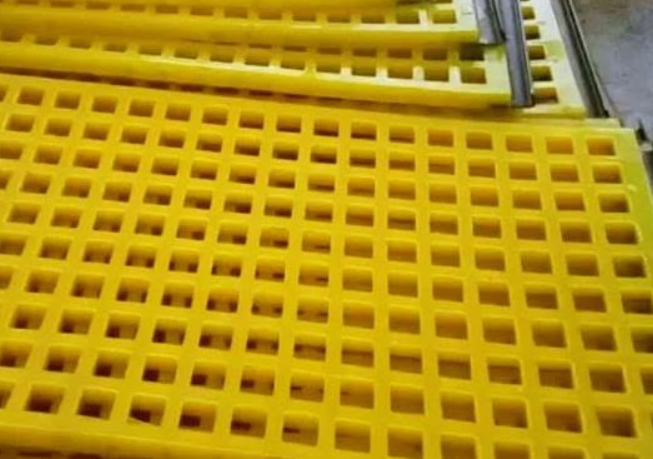
The biggest difference between standard and certified antistatic polyurethane
screens lies in their internal formulation, where conductive carbon black or
graphene is evenly mixed into the polymer matrix during production, rather than
just being sprayed as a thin surface coating that wears off quickly. This
creates a consistent, stable conductive network across the entire screen body
that keeps surface resistance within the safe 10^4 to 10^6 ohm range, ensuring
no dangerous static charge can build up even after thousands of hours of
continuous friction with fast-moving fine dust particles. The material still
retains all the classic polyurethane advantages: 3 to 5 times the wear life of
steel screens, 15 to 25 dB lower operating noise, and excellent self-cleaning
performance that cuts screen clogging rates to under 2% in most fine dust
processing lines.
Field Installation and Daily Safety Protocols
Even the highest quality antistatic polyurethane screen will fail safety
checks if installed incorrectly, so two simple non-negotiable steps are required
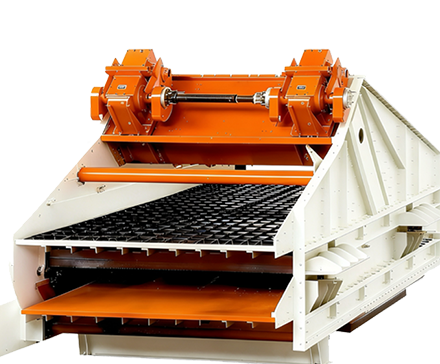
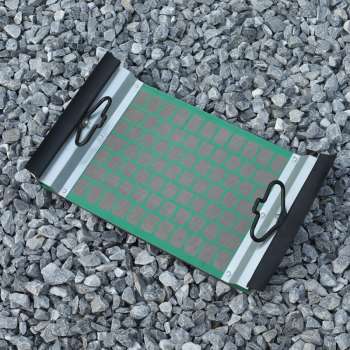
for flammable dust environments: first, make sure the screen’s built-in
conductive grounding strips are firmly connected to the vibrating machine’s
verified grounding system, no loose or corroded contact points allowed. Second,
set a simple monthly inspection routine to check for deep surface scratches that
could break the local conductive network, and test surface resistance with a
portable meter every 3 months to confirm it stays within the certified safe
range. It’s also critical to never weld or perform high-temperature hot work
near the installed screen, as localized heat damage can break the conductive
structure and create hidden static risk spots.
If you’re looking to bring your flammable dust screening line up to full
local safety compliance, our team can walk you through a quick site assessment
to confirm your current setup meets all required standards and pick the right
antistatic polyurethane screen configuration for your specific material.


Leave A Reply
By using form u agree with the message sorage, you can contact us directly now