Sand washing operators love polyurethane screens — until they get the invoice. These flexible panels deliver impressive dewatering performance, but the consumable costs add up quietly across a busy production line. The smartest plants don't just buy cheap; they weigh actual output against replacement frequency and total cost per ton. That's the only honest way to judge whether polyurethane screens earn their keep.
Dewatering That Actually Holds Up
Here's the baseline: quality polyurethane screens pull moisture down to 12-18% on typical silica sand feeds, which beats woven wire in most setups. The flexible material vibrates freely, bouncing water through apertures instead of trapping it. On high-volume sand washing lines running 24/7, that translates into drier product, lighter truckloads, and fewer rejects downstream. The catch? Abrasion. Sand particles are sharp and unforgiving, and panels thin out fast if the formulation isn't dialed in.
The Consumable Cost Nobody Talks About Upfront
Most buyers fixate on the per-panel price. A cheap polyurethane screen might cost 80; apremiumone150. But swap the cheap panel every two weeks versus the good one every three months, and the math flips hard. Factor in labor to change panels, lost production during downtime, and the cost of over-wet sand hitting your customer specs — and suddenly "expensive" panels look like bargains. Consumable costs aren't just the purchase price; they're everything you lose while the screen isn't doing its job.
How to Stretch Screen Life Without Overpaying
Hardness matters — 75A to 85A durometer holds up better on abrasive sand than anything softer. Aperture shape counts too; tapered openings shed material cleaner than round holes. And don't ignore feed prep — removing oversize trash before it hits the deck saves your panels weeks of abuse. A few small tweaks to the process can double screen life without touching your budget.
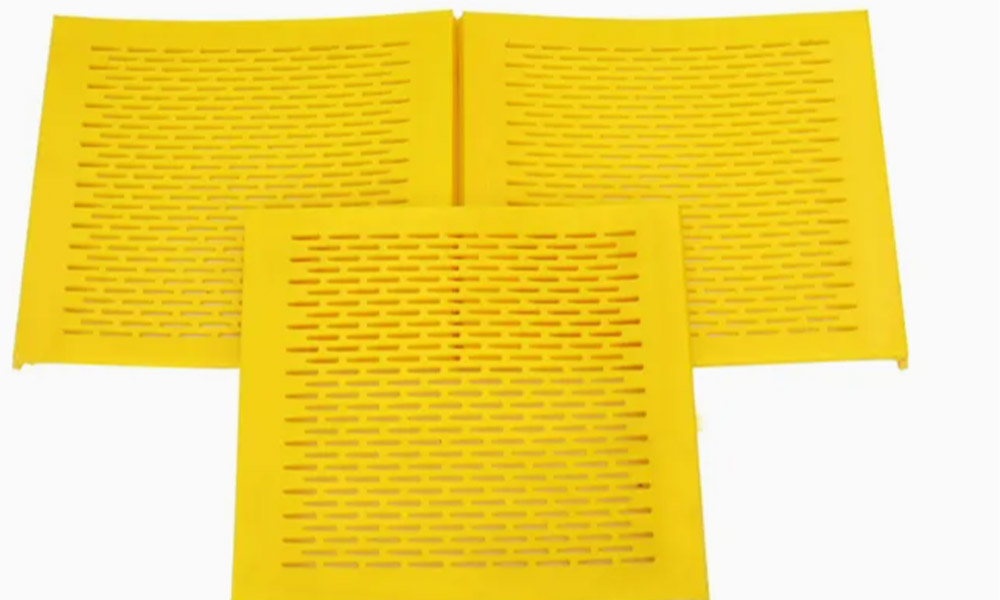 Polyurethane screens in sand washing production lines aren't a
one-size-fits-all decision. Dewatering performance, consumable costs, and feed
characteristics all collide in the real world. Want a quick breakdown based on
your sand type and tonnage? Drop the details and we'll crunch the numbers for
you.
Polyurethane screens in sand washing production lines aren't a
one-size-fits-all decision. Dewatering performance, consumable costs, and feed
characteristics all collide in the real world. Want a quick breakdown based on
your sand type and tonnage? Drop the details and we'll crunch the numbers for
you.