For mineral processing, fine sand recovery and industrial grading operations
that handle 0.5mm to 3mm fine-grained particles, generic low-open-area
polyurethane screens often leave 15%+ of qualified fine material stuck on the
deck, forcing teams to run extra recirculation shifts that eat into daily
output. A properly designed high open-area polyurethane screen can push fine
particle screening efficiency above 95%, while still retaining the wear
resistance and long service life that PU media is known for. But cranking up
open area blindly without targeted design tweaks will only lead to frequent
screen tears, inconsistent sizing and higher long-term operating costs.
Controlled Open-Area Ratio Calibration
The first non-negotiable design rule is capping the maximum open area between
35% and 42% for fine-grained screening, instead of chasing the 70% open area
common with woven wire mesh. This sweet spot balances maximum fine particle
throughput with enough solid PU material between apertures to maintain
structural integrity, so the polyurethane screen won’t stretch or tear under
24/7 high-vibration operation. Going above 42% creates thin, fragile PU ribs
that wear through in weeks, while staying below 35% leaves too little space for
fine particles to pass through, defeating the whole purpose of upgrading to a
high open-area design.
Tapered Anti-Clog Aperture Geometry
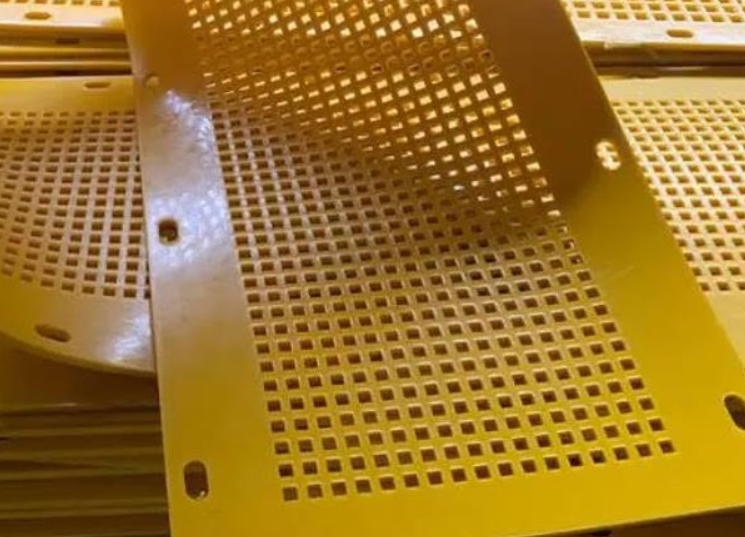
Skip standard square or straight-sided round holes entirely, and opt for
tapered, slotted apertures that widen slightly from the feed side to the
discharge side. This shape eliminates the wedging effect that traps near-size
fine particles in the screen openings, even when processing slightly damp,
sticky fine material. The rounded edges of these slotted openings also reduce
sharp stress points in the polyurethane screen, cutting down on fatigue cracking
that would otherwise form around aperture corners after thousands of hours of
repeated flexing.
Localized Reinforcement Layout
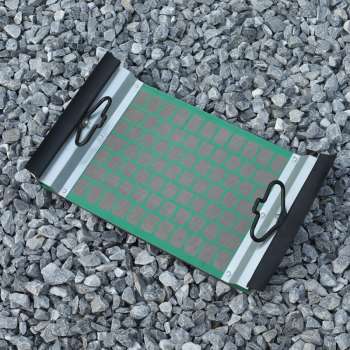
Add thin, hidden PU reinforcing ribs between high-density aperture zones, and
reserve small solid PU strips along the polyurethane panel edges and mounting
points. These tiny, unobtrusive reinforcements don’t take up meaningful open
area, but they boost the panel’s overall tensile strength enough to handle the
extra stress that comes with a high open-area layout. This design also lets the
screen maintain its natural elastic self-cleaning properties, where small, rapid
flexes during operation shake loose any stray fine particles that try to stick
to the aperture walls.
If you’re tired of low fine particle recovery rates and frequent unexpected
screen failures eating into your operation’s profit margins, our team of
screening media specialists can run a free quick assessment of your exact
fine-grained feed specs and deck setup to build a custom high open-area
polyurethane screen that matches your unique needs. Reach out today for a
no-obligation quote to boost your fine material yield and cut unnecessary screen
maintenance costs.


Leave A Reply
By using form u agree with the message sorage, you can contact us directly now