For mineral processing operations handling hard, high‑abrasion chromium ore,
the performance of screening media directly determines classification accuracy,
panel service life and overall plant operating costs, as traditional woven metal
or rubber screens often fail in less than two weeks due to the sharp, dense
chromium ore particles that cause severe abrasive wear. Many operations have
wasted huge amounts of maintenance time and spare parts budget on frequent
screen replacements, only to still face constant misplaced coarse particles that
reduce final concentrate grade. A well‑optimized Polyurethane Screen Design tailored specifically for chromium ore beneficiation solves these pain points
completely, delivering far longer service life and far more stable
classification performance than generic screening media.
Abrasion‑Resistant Polyurethane Formulation Tuning
The core of a high‑performance Polyurethane Screen Design for chromium ore
processing is a specially modified high‑hardness polyurethane base material,
formulated to resist the constant micro‑cutting action of sharp chromium ore
particles without developing deep gouges or uneven surface erosion quickly. This
optimized material maintains consistent structural stability even under long
hours of high‑frequency vibration and heavy ore feed impact, avoiding the
premature surface fatigue cracking that plagues standard general‑purpose
polyurethane panels in high‑abrasion chromium ore workflows.
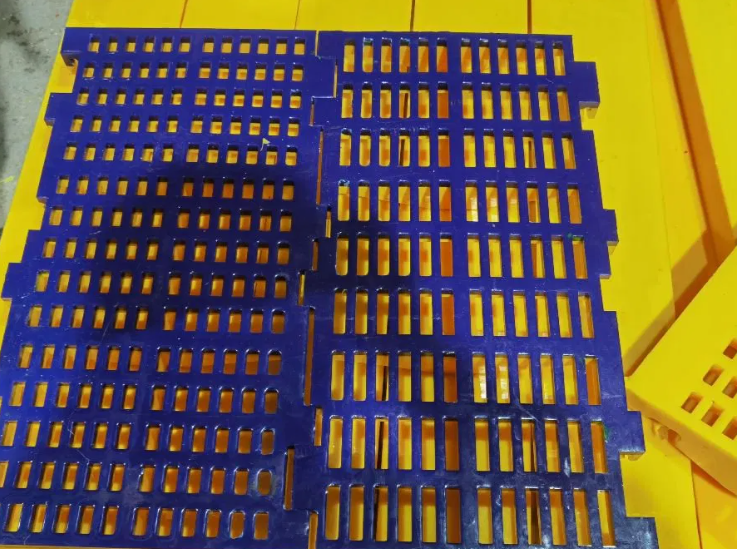
Elongated Slotted Aperture Structure Optimization
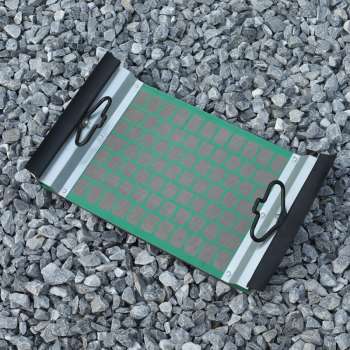
Unlike standard square aperture panels that easily get clogged by near‑size
chromium ore particles, the best Polyurethane Screen Design for this
application uses narrow, elongated slotted apertures aligned parallel to the
material flow direction, which maximizes effective open area for fine particle
passage while drastically reducing the chance of hard ore grains getting stuck
inside the openings. This design keeps screening efficiency stable across weeks
of continuous operation, eliminating the need for frequent manual deck cleaning
to remove clogged particles.
Reinforced Local High‑Impact Zone Structure
A practical, site‑adapted Polyurethane Screen Design also adds extra
thickness and local structural reinforcement to the high‑feed drop zone at the
start of the screen deck, where large chunks of crushed chromium ore fall
directly onto the panel surface from a high discharge height. This reinforced
section absorbs heavy impact energy far better, preventing localized premature
cracking and deformation that would otherwise create early failure points and
force unplanned full line shutdowns.
A properly optimized Polyurethane Screen Design built for chromium ore
beneficiation can extend average panel service life to 3 to 5 times that of
traditional metal screens, drastically cutting spare parts consumption and
unplanned downtime while keeping classification accuracy consistently high. If
you need a fully customized design tailored to your exact chromium ore hardness,
particle size distribution and existing screen deck dimensions, our technical
team can deliver a targeted solution that perfectly fits your beneficiation
workflow.


Leave A Reply
By using form u agree with the message sorage, you can contact us directly now