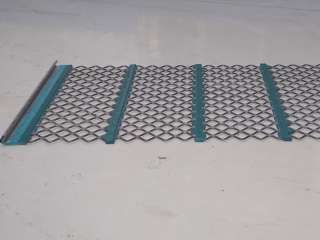
 material screening">
For aggregate processing, mining and construction waste sorting, the exact moisture content threshold to switch to self-cleaning screens can save you 30% of unplanned downtime and boost your screening efficiency
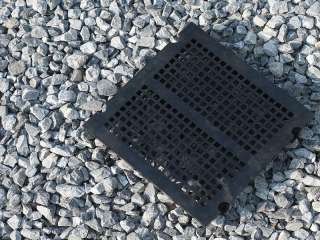 material screening Efficiency">
If you’ve ever swapped out a rubber screen mesh panel only to find your material throughput still lags or your end product doesn’t hit the right gradation, the issue might not be your machine speed, it’s the aperture shape you’re using
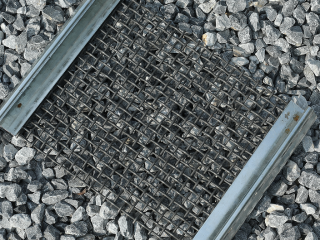 material screening">
Standard screens waste time and slow down production when screening materials Flat top woven mesh is designed to solve the two biggest issues in screening: material buildup and fast wear
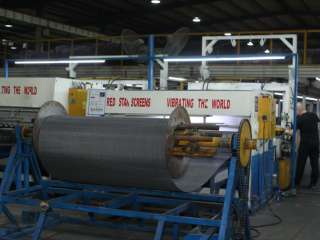 material screening">
As the most widely used screen at present, metal screen plays a very important role in mine screening Whether it is a coarse screen, a fine screen or a powder screen, you can see the figure of metal screen
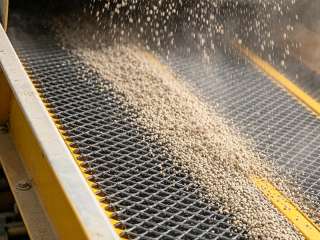 screening Fine-Grained materials">
Apertures clog, material cakes, and throughput drops to a crawl Self-cleaning screens were built to fight that, but the aperture shape and size you choose make or break the whole system
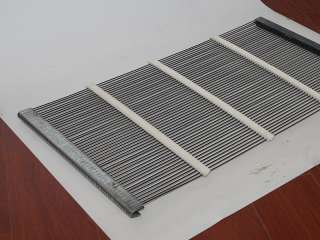
Utilizing wedge-wire screens with a specialized anti-clogging design can drastically reduce unplanned downtime Unlike traditional perforated plates, these screens maintain clear flow channels even when handling materials prone to clogging
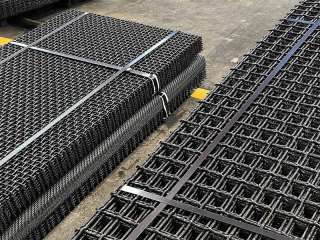
For mining, aggregate processing and precision filtration operations, picking between crimped metal wire mesh and standard woven wire mesh boils down to real-world performance under continuous heavy load
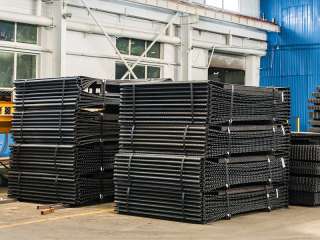
For quarry operations tired of inconsistent aggregate grading, square opening wire mesh is a purpose-built, low-fuss solution that delivers far more precise sizing than irregular slotted screens
 screening efficiency">
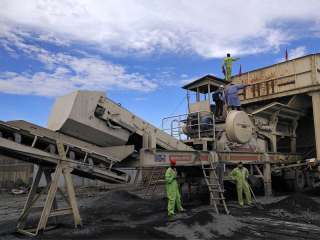
A modular rubber screen panel system fixes that exact pain point, letting you cut routine screen maintenance time by 70% or more while boosting consistent throughput far beyond what traditional woven metal screens can deliver
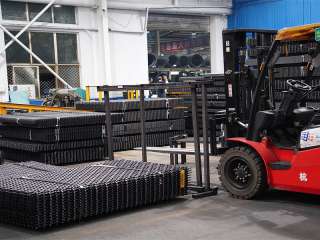
In heavy-duty mining screening operations, welded screens outperform woven screens across key metrics, They offer extended service life, significantly reduced downtime, and lower manual maintenance costs
