For aggregate processing, mining and construction waste sorting teams that
keep dealing with unexpected screen clogging, plummeting throughput and hours of
manual unclogging work, knowing the exact moisture content threshold to switch
to self-cleaning screens can save you 30% of unplanned downtime and boost your
screening efficiency. Most standard static woven screens start
failing far earlier than many operators expect, even before you spot obvious
sticky clumps piling up on the deck. Getting this switch timing right also cuts
down unnecessary wear on your screening equipment, and prevents high-value fine
material from getting trapped in clogged apertures and lost to tailings.
Early Warning Threshold for Dry Fine Materials
For free-flowing dry materials like silica sand, fine crushed stone and
mineral powder, you should start testing self-cleaning screens once the moisture
level hits 3% to 5%. At this range, tiny fine particles already start sticking
to each other and wedging into mesh gaps, even if the material still looks
completely dry to the naked eye. Standard rigid screens will see their effective
open area drop by 40% within a few hours, forcing you to slow down feed speed to
avoid overflow. The low-adhesion, micro-vibration design of self-cleaning
screens stops these fine particles from locking into apertures before full
clogging happens.
Mandatory Switch Point for General Aggregate and Ore
For most mid-sized aggregate, crushed construction debris and low-clay hard
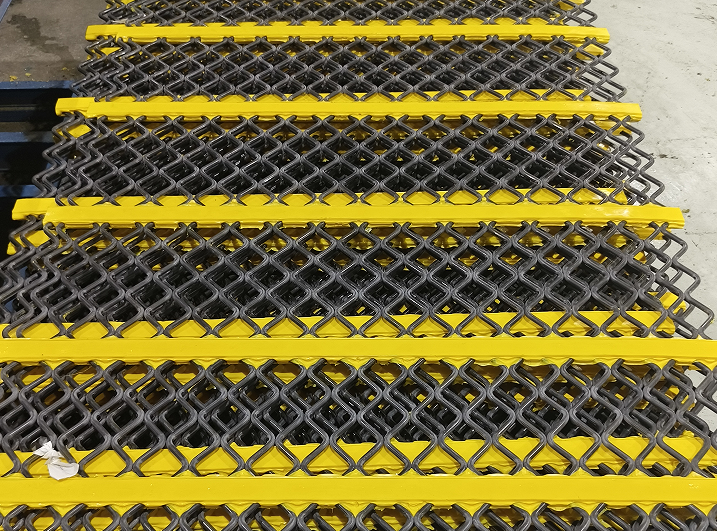
ore, 7% to 10% moisture content is the non-negotiable point to fully swap over
to self-cleaning screens. At this level, material starts forming soft clumps
that stick firmly to static mesh surfaces, and manual scraping can barely clear
the blocked apertures fast enough to keep production running. The dynamic
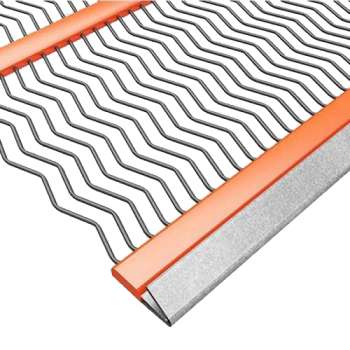
flexible wire structure of purpose-built self-cleaning screens creates constant
tiny movement across every mesh opening, shaking loose sticky clumps
automatically without any extra labor. This is also the sweet spot where you
will see the fastest return on investment, as you no longer need to pause
production every 2 hours to unclog the deck.
Specialized Self-Cleaning Setup for High-Clay and Slurry Feed
When material moisture content exceeds 15%,particularly with high-clay soils
or coal slurry—reinforced polyurethane screen panels and customized
self-cleaning screening systems are required. At this moisture level, standard
screens clog rapidly, and even conventional self-cleaning screens struggle to
handle such viscous material. By employing specialized self-cleaning screening
equipment that leverages the low surface tension of polyurethane alongside
targeted high-frequency vibration, even sticky, high-moisture materials can pass
smoothly through the screen apertures, ensuring consistently high screening
efficiency.
If you are still guessing the right moisture threshold for your specific
material and wasting hours every week clearing clogged screens, our team of
screening specialists can run a free quick assessment of your feed properties,
current screen setup and target throughput to match you to the perfect
self-cleaning screen configuration.


Leave A Reply
By using form u agree with the message sorage, you can contact us directly now