Why Welded Screens Outperform Woven Wire Screens in Mining Applications
For mining, aggregate processing and precision filtration operations tired of unexpected aperture deformation that ruins product grading accuracy and causes costly unplanned downtime, picking between crimped metal wire mesh and standard woven wire mesh boils down to real-world performance under continuous heavy load. While both are widely used for material screening and separation, their structural differences create massive gaps in long-term aperture consistency. Most field tests show properly manufactured crimped mesh retains 98% of its original opening dimensions after 3 months of continuous high-vibration operation, compared to standard woven mesh that can see up to 20% aperture shift in the same timeframe.
Pre-Locked Crimped Structure Prevents Wire Slippage
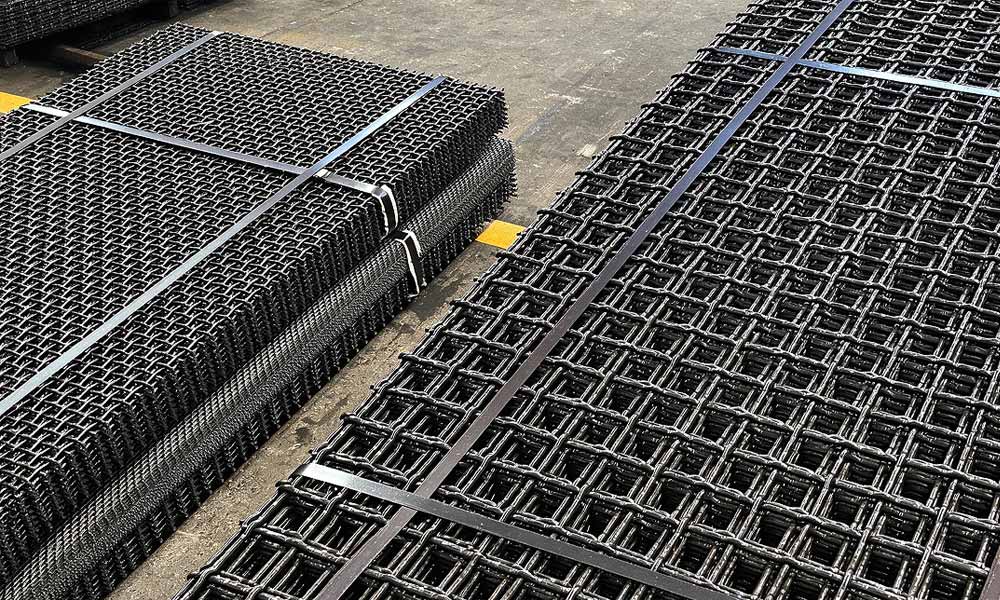
Crimped metal wire mesh uses pre-corrugated, interlocked wires that lock firmly into place at every intersection, with zero room for lateral movement even under repeated heavy impact from falling ore or high-pressure slurry flow. This built-in positioning eliminates the most common cause of aperture distortion in screening operations. Heavy-duty crimped mesh can withstand pressure levels up to 1000MPa without bulging or warping.
Standard Woven Mesh Relies Solely On Interweaving Tension
Standard woven metal wire mesh utilizes a simple over-and-under weaving pattern; lacking a crimping process to lock the wires in place, the structure is relatively unstable and prone to loosening under conditions of continuous vibration, excessive heat, or heavy loads. Low-cost woven screens easily deform in 1–2 months, causing particle leakage and lower screening efficiency.
Use Case Matching Delivers The Best Long-Term Value
Standard woven wire mesh works fine for light-load, low-intensity screening. For high-impact aggregate and corrosive slurry working conditions, crimped metal screen mesh provides far higher stability, precise aperture retention and longer service life, bringing significant long-term cost savings.
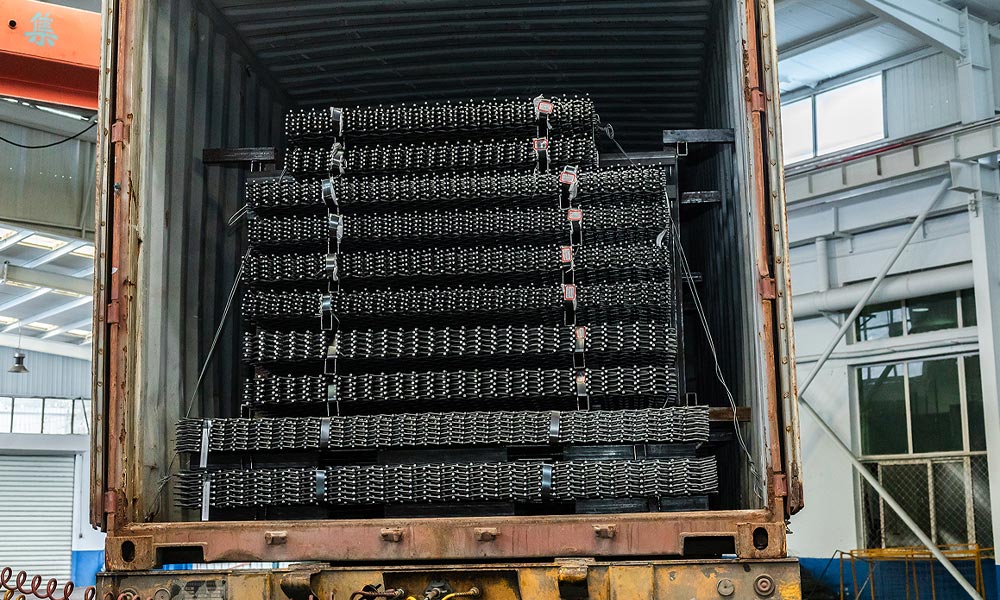
If you are still dealing with frequent aperture deformation and inconsistent grading results from your current mesh, we can help you pick the exact crimped woven wire mesh or standard woven mesh to match the unique operating conditions. Reach out today for a free custom performance assessment and no-obligation quote to boost your operation’s sorting consistency right away.