Modular Rubber Screen Panel System: Reduce maintenance downtime and enhance overall screening efficiency
If you have ever spent hours pulling apart a full vibrating screen deck just to swap out one small worn section, you know how much unplanned downtime eats into your site’s daily output. A modular rubber screen panel system fixes that exact pain point, letting you cut routine screen maintenance time by 70% or more while boosting consistent throughput far beyond what traditional woven metal screens can deliver, no full deck retrofitting required.
Tool-Free Quick Swap Cuts Downtime Dramatically
Unlike heavy one-piece metal screen decks that need multiple crew members and lifting gear to replace, individual modular rubber screen panels usually weigh under 25kg, and slot right into your existing standard screen frame with simple wedge clamps. You don’t need custom drilling or specialized tools — a single technician can swap out a single damaged panel in 2 to 3 minutes, instead of the 1 to 2 hours it takes to replace a full metal screen cloth. You also never have to throw away an entire intact screen just because one small section is torn, which slashes your ongoing screen media waste and replacement costs.
Why Traditional Decks Turn Maintenance Into a Fire Drill
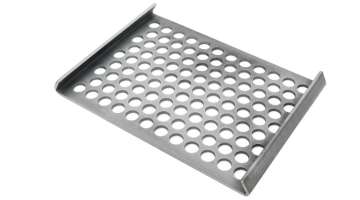
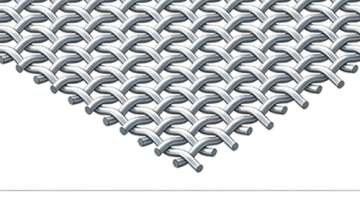
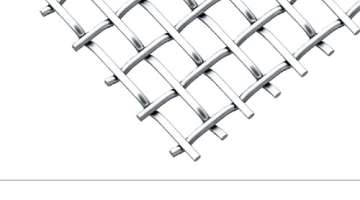
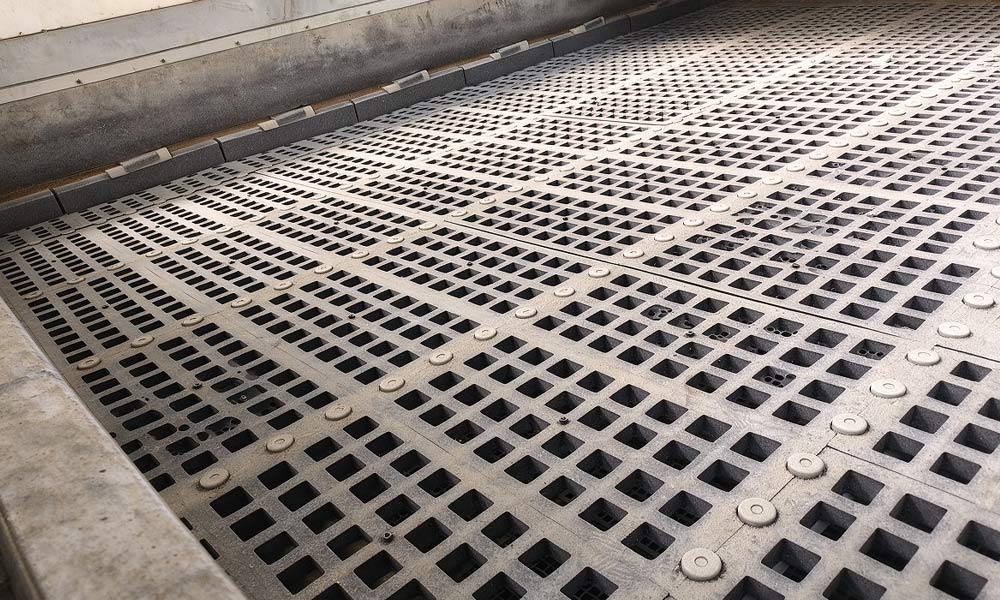
A one-piece woven cloth or a bolted steel plate looks cheap on the purchase order and expensive on the timesheet. When the feed end takes a granite boulder, the crimp locks loosen, the hook strip frays, and by the time blinding shows up the operator has already been shipping off-spec product for a shift. The painful part is the change-out: lift gear, multiple crew members, removal of side clamp rails, disposal of an otherwise good back half of the deck because one corner tore. A Modular Rubber Screen removes that nonsense by design — each panel is a self-contained unit, usually 305×305 mm, 305×610 mm or 610×610 mm, snapped, pinned or bolted into a standard stringer system, so a single damaged module comes out in minutes and the rest of the deck keeps working. The screen media stops being “all or nothing” and becomes a puzzle you repair one piece at a time.
Quick-Change Modules: Minutes Instead of Hours
The headline benefit of a Modular Rubber Screen is the one maintenance supervisors feel first. Instead of two men and a crane swapping a full tensioned cloth, one technician with a wedge tool or pin extractor swaps the failed module between jobs. Field cases from manganese and gold operations show single-panel swaps measured in minutes rather than the multi-hour PU or wire change-outs of older setups, and that time saving is not cosmetic — it is crusher feed staying in spec, conveyors not backing up, and the screen crew not standing in the danger zone during a running plant. Because only the worn module is scrapped, media waste drops sharply, and procurement stops buying “whole decks” when the plant only destroyed one corner. A Modular Rubber Screen pays for the upgrade the first time a Saturday breakdown becomes a 10-minute fix.
Impact Absorption Where the Rock Actually Lands
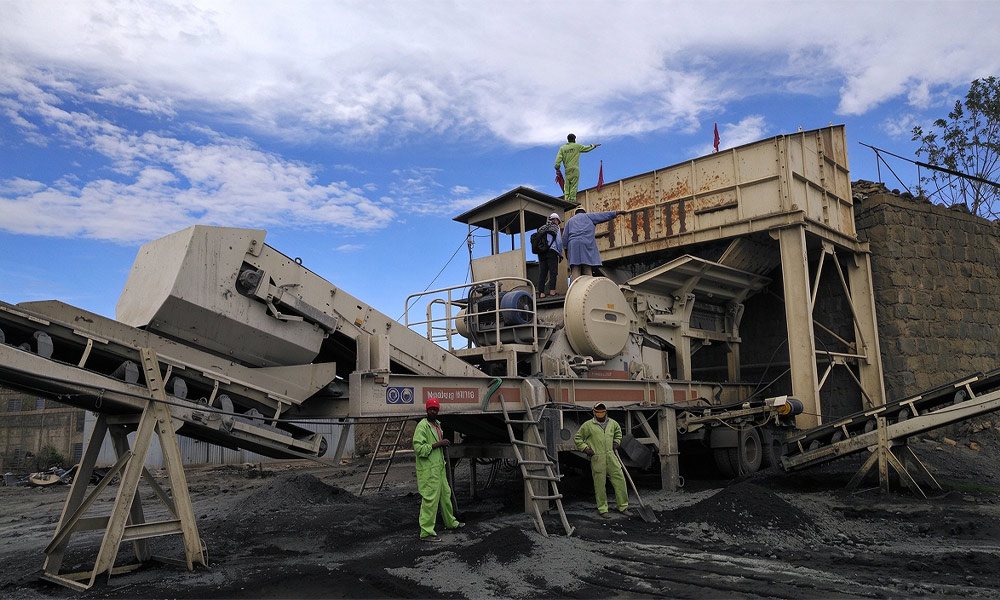
Rubber is not steel, and that is the point. On the scalping deck or the crusher-discharge deck, coarse material drops with real kinetic energy, and a rigid plate either dents, cracks or transfers that shock into the screen side plates and supports. A Modular Rubber Screen flexes on impact, spreads the load, and rebounds — so the wear happens gradually across the rubber crown instead of catastrophically at a weld root. In primary screening of granite, basalt, bauxite lumps or recycled concrete, that elasticity protects both the media and the machine structure. Plants that run rubber on the top deck and finer media lower down usually see fewer frame cracks, less bearing shock load, and a maintenance log that reads like screening instead of structural repair.
Anti-Blinding Behaviour on Wet, Sticky and Near-Size Feeds
Dry, clean aggregate is easy. The real test is washed limestone, moist coal, clay-tainted iron ore or deslime duty where near-size particles want to peg and fines want to cake. A Modular Rubber Screen handles this with tapered, self-relieving apertures and a surface that micro-deflects under vibration — the hole is narrow at the process face and wider underneath, so a stuck particle gets ejected instead of corked, and the elastic face keeps breaking the capillary bridge before slime seals the deck. In a manganese operation that switched from PU to modular rubber on the lower deck, pegging dropped from around 40–50% to near zero and screening efficiency rose by roughly 15%, because the deck stopped spending its life fighting its own openings.That is the quiet power of a Modular Rubber Screen: it does not just survive sticky feed, it keeps the effective open area where the metallurgist drew it on the flowsheet.
Anti-Clog Tapered Openings Boost Consistent Screening Efficiency
Most modular rubber screen panel systems are engineered with tapered apertures that are wider on the underside than the top, so sticky wet ore, fine aggregate or damp coal can’t get wedged stuck in the holes the way they do in straight-edged metal screen openings. The flexible rubber surface also creates tiny micro-vibrations as the deck runs, shaking loose near-size particles that would otherwise blind the screen mid-shift. Field tests show this design keeps effective open area stable through full operation cycles, lifting overall screening throughput by 15% to 25% compared to standard metal screens of the same nominal opening size.
High-Impact Rubber Construction Extends Service Life
Premium modular rubber screen use layered compound formulations, with a tough 65 Shore A wear layer on the top to handle constant rock impact, and a rigid reinforced backing layer locked to the support frame to prevent sagging under heavy load. This setup delivers 3 to 10 times longer working life than mild steel woven screens, and cuts site-wide screen change frequency from 2 or 3 times a month to just 1 or 2 times a year, while also lowering deck running noise by 15+ decibels for a far safer work environment.
If you’re still losing hours of production every week to slow screen repairs and frequent blinding, a modular rubber screen panel system is a low-lift upgrade that pays for itself in just a few months of operation. Reach out to a local screen media supplier today to get a custom layout matched exactly to your ore type, deck size and throughput targets, and stop letting avoidable screen downtime drag down your site’s profitability.