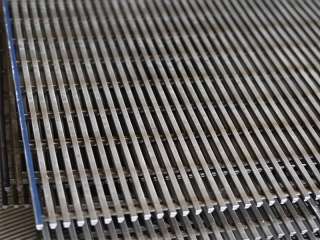
 Wedge Wire Screens Running for Slurry Processing">
Picking a Wedge Wire screen for slurry isn’t just about ticking the box for slot size—it’s about being honest about how the material behaves, what really happens when things speed up
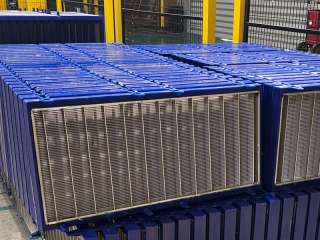 Wedge Wire Screens in the Zinc Ore Beneficiation Process">
The zinc ore beneficiation subjects screening equipment to a harsh combination of abrasive ore particles Wedge Wire screens must therefore demonstrate robust wear and corrosion resistance to maintain performance and longevity
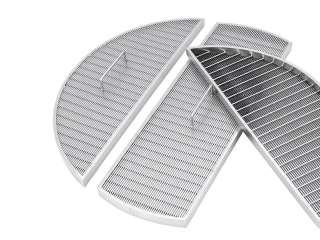 Wedge Wire Screen in Lithium Salt Lake Brine Filtration">
In the critical process of extracting lithium from salt lake brine, the Wedge Wire metal screen is a key filtration component Its performance directly affects purity, efficiency, and uptime
 Wedge Wire Screen Panels: A Comparison of Welding and Mechanical Locking Process">
The main ways of fixing the Wedge Wire screen panels—welding or mechanical locking—take pretty different paths, each with its own upsides and best-fit scenarios
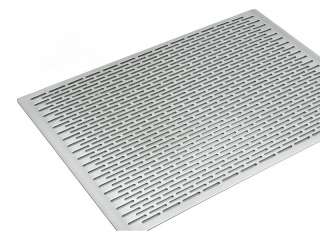 Wedge Wire Screen Selection Scheme for Tailings Dry-Stacking Dewatering">
Implementing a tailings dry-stacking system hinges on efficient solid-liquid separation, where the Wedge-Wire screen is a critical component
 Wedge-Wire Screens">
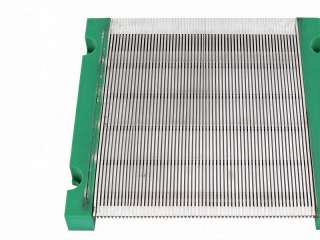
The slot width tolerance control during manufacturing is what separates a precise tool from a source of constant product variation Tight tolerances are non-negotiable for meeting precision screening requirements
 Wedge Wire Screen">
When selecting a Wedge Wire screen, move beyond the slot width and profile dimensions Ask the manufacturer about their winding tension control and welding technology
 Wedge Wire Screens">
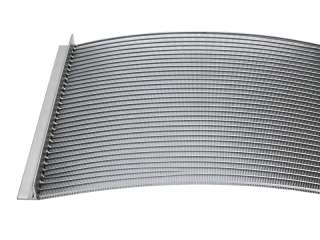
A basic replacement cycle prediction backed by simple weekly wear monitoring methods keeps your Wedge Wire screens performing right up to their planned end of life
 Wedge Wire Screens">
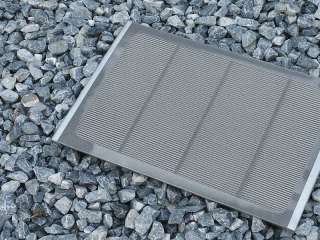
If you’ve ever watched tons of high-value fine coal get washed away with overflow water in the recovery stage,
 Wedge-Wire Screens for Mine Water Treatment Systems">
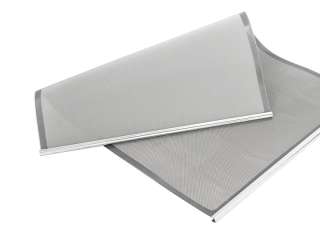
If you’re running a mine water treatment system, getting solid and liquid separated right is seriously important Out of all the options, Wedge Wire screens really stand out They handle harsh conditions well and offer precise filtration
