Nobody likes getting blindsided by a screen failure mid-shift. Wedge wire screens are tough, but they don't last forever and guessing when to swap them is a fast way to burn through spares or worse, lose production. Getting a handle on replacement cycle prediction and setting up reliable wear monitoring methods lets you plan swaps on your schedule instead of reacting to a busted deck at 3am. Here's how operations actually do it without overthinking.
Why Guessing Replacement Cycles Costs You Real Money
Most plants just swap wedge wire screens when they look bad or when throughput drops noticeably. Problem is, by the time you see obvious wear, you've already been running sub-optimally for days or weeks. Thinned wires, rounded slot edges, and deformed profiles all sneak up gradually. Without a decent prediction model, you're either replacing perfectly good panels too early which may wastes money or running worn ones too long and letting fines slip through or letting damage spread to your deck frame.
Simple Prediction Models That Actually Work On Site
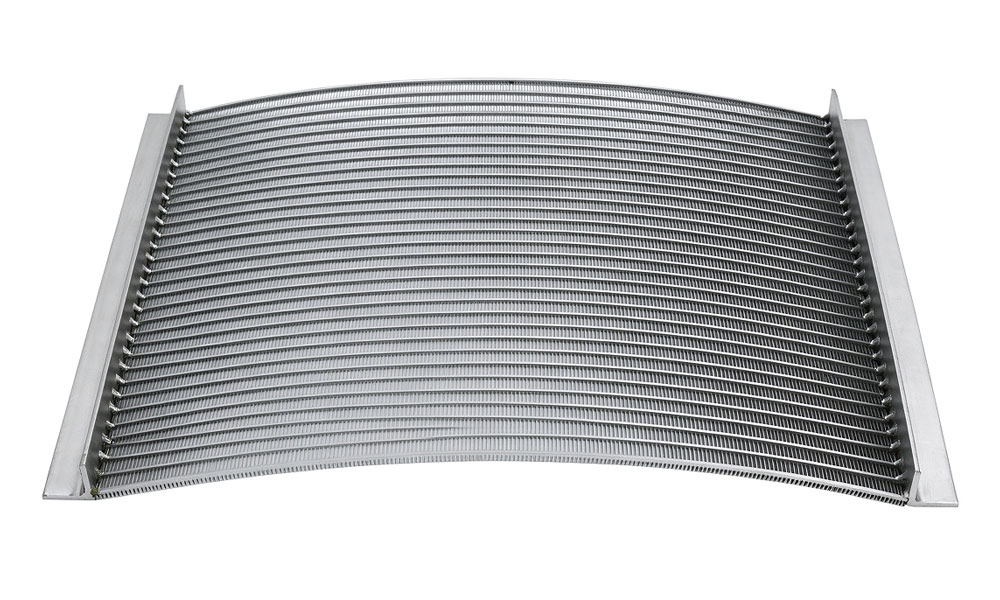
You don't need fancy software to predict the replacement cycles of wedge wire screen. Start by tracking your tonnage per panel, slurry abrasiveness index, and daily vibration hours. Most operations find that wear follows a fairly predictable curve once you log the first three or four replacement cycles. Plot tonnage against slot opening width measurements and you'll start seeing a clear trend, usually around 8,000 to 15,000 tonnes for standard carbon steel in moderate abrasion. Adjust that number based on your specific ore hardness and you've got a working replacement cycle prediction you can trust.
Practical Wear Monitoring Methods You Can Start Today
Grab a set of feeler gauges and measure slot width at five fixed points across each panel every week, it takes ten minutes and catches widening before you see it with your eyes. For heavier operations, install a simple ultrasonic thickness gauge check at the feed end where impact hits hardest. Some plants even run a quick vibration signature test monthly; a shift in frequency often means wire deformation before visual signs show up. None of this is rocket science, but together these methods give you weeks of warning instead of zero.
Prediction and monitoring aren't about being perfect , they're about stopping the panic swaps and the "it looked fine yesterday" excuses. A basic replacement cycle prediction backed by simple weekly wear monitoring methods keeps your wedge wire screens performing right up to their planned end of life, slashes emergency spare costs, and keeps your throughput steady without surprises.