Frame-Fixed Methods for Wedge Wire Screen Panels: A Comparison of Welding and Mechanical Locking Process
How you secure wedge wire screen panels to their support frame isn’t just a technical detail—it really shapes how well the system holds up, how fast you can do maintenance, and what you end up spending. The main ways of fixing the panels—welding or mechanical locking—take pretty different paths, each with its own upsides and best-fit scenarios. If you get what really sets them apart, you can pick a setup that keeps panels steady, cuts downtime, and fits your long-term plans.
Welding: The Permanent Bond
Welding means fusing the panel straight onto the steel frame with arc welding. This kind of connection is tough and permanent—the panel basically becomes part of the frame, so you don’t get any wiggles or leaks. It leaves you with a surface that's smooth and seamless, which helps material move right along. But that strength comes with a price. When a panel wears out, you can’t just pop it off; you have to cut or grind it loose. That eats up time, might even damage the frame, and stretches out downtime. So, welding makes sense in setups where you expect wedge wire panels to last their full life before getting replaced, or in harsh, corrosive environments where bolts and pins wouldn’t survive.
Welded Fixing: Rigidity and Heat-Affected Zones
Welding a Wedge Wire Screen to a support frame is seductive because the result feels like one piece of steel — no loose clamps, no rattling hooks, no argument about whether the panel is seated correctly. In heavy zinc duties where coarse reclaim or crusher-screen scalping tries to rip a panel loose, that rigidity can be genuinely useful, and a well-executed weld with correct alloy filler, purged roots, and post-weld passivation will outlive a sloppy mechanical lock every time. The problem is that welding is also where plants quietly take on corrosion debt they never itemize: the heat-affected zone around the profile wire and frame changes microstructure, sensitization can follow in austenitic grades, and if the welder grinds the crown or leaves a crevice between wire and frame, the zinc pulp immediately finds a home. In a beneficiation plant where pH swings and sulfide oxidation keep the slurry aggressive, those micro-crevices behave like tiny galvanic cells, and the screen that looked “permanently installed” becomes the one that rots from the edge inward while the center still looks brand new. Welding is not wrong — it is unforgiving, and it rewards only operations with real weld procedure specs, qualified fabricators, and a maintenance culture that inspects joints instead of just counting tons.
Mechanical Locking: The Serviceable Solution
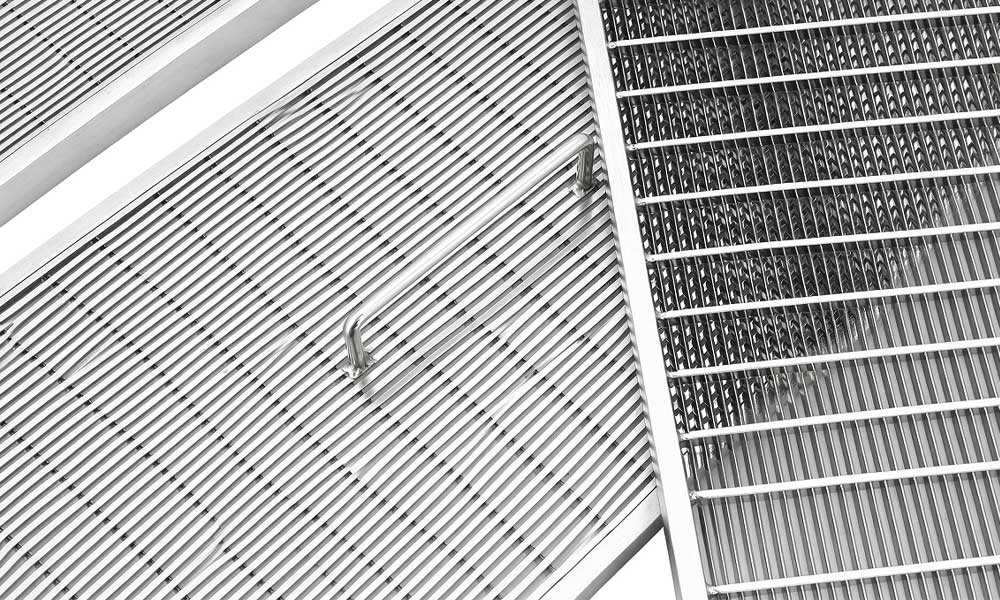
Mechanical locking employs systems like rubber strips, polyurethane seals, or bolted edge channels to clamp the wedge wire panel firmly in place. This process prioritizes flexibility and serviceability. Its core benefit is the speed of installation and removal, dramatically reducing downtime during panel changes. It allows for easy inspection, panel rotation to even out wear, and simple replacement. While modern locking systems provide excellent hold and seal, improper installation can theoretically lead to minor movement or edge leakage. This method is ideal for plants that require frequent screen changes, such as those processing multiple products, or where quick maintenance access is a top priority.
Making the Strategic Choice
Choosing between these methods involves weighing key factors. Welding of wedge wire mesh offers unbeatable permanence and often a lower initial part cost, but higher lifetime costs due to difficult removal. Mechanical locking has a higher upfront system cost but offers much lower operating costs over time through reduced labor and downtime. Environmental conditions also matter: welding withstands harsh corrosion well, while mechanical systems must be compatible with process temperatures and chemicals. The decision ultimately balances the need for a permanent, “set-and-forget” installation against the operational value of flexibility and fast maintenance.
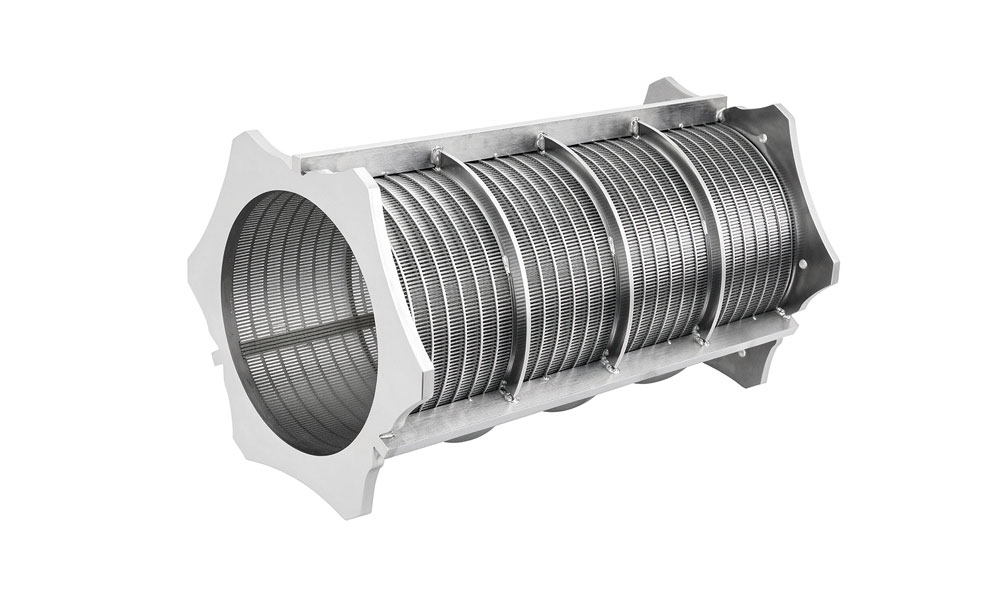
There is no universally superior frame-fixed method. The optimal choice depends on your specific operational philosophy. For long-wear, single-application screens where permanence is paramount, welding is reliable. For operations valuing minimal downtime and easy maintenance, mechanical locking is the clear strategic advantage. By understanding this comparison, you can select the process that delivers the best performance and lowest total cost for your wedge wire screen panels. Contact our technical team to get advice on wedge wire screen mounting solution matching your plant maintenance schedule.