Filtration Precision and Selection of Wedge-Wire Screens for Mine Water Treatment Systems
If you’re running a mine water treatment system, getting solid and liquid separated right is seriously important. It keeps you in line with regulations, protects your gear, and helps reuse water. Out of all the options, wedge wire screens really stand out. They handle harsh conditions well and offer precise filtration. Here’s how to pick the right one so your system stays efficient and your screens last longer.
Why Wedge Wire Screens Are Precise
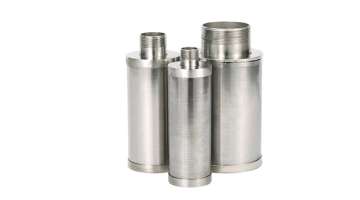
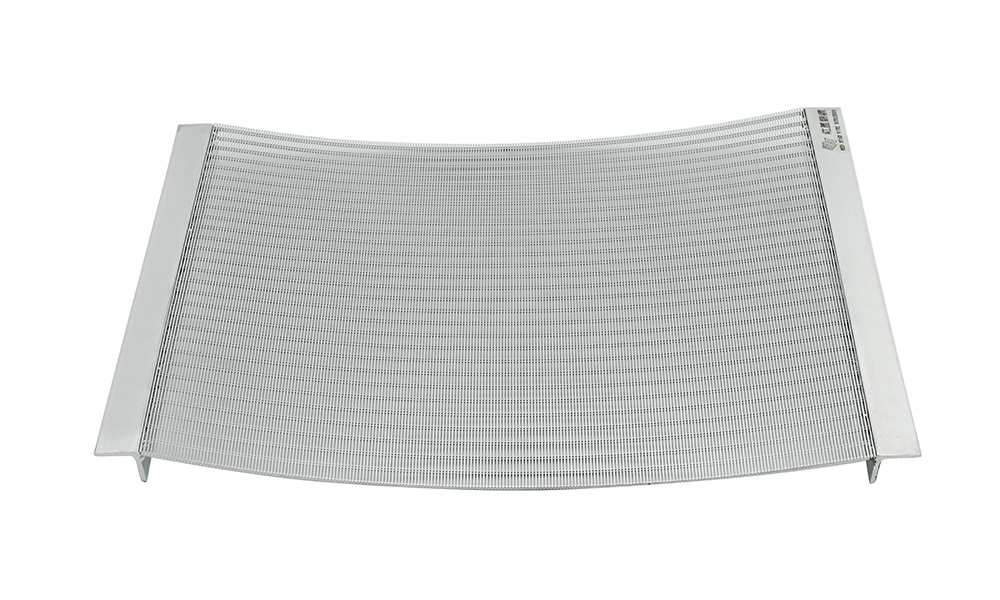
Wedge wire screens don’t work like regular woven mesh. Instead, they’re made by welding V-shaped wires onto support rods, which creates uniform slots. The width of those slots is tight—down to the micron level—so they trap exactly the particles you want. This keeps separation predictable and the effluent consistently clean, which is huge for protecting pumps and membranes downstream. Plus, the V-shape sort of cleans itself, so you don’t get as much clogging and the water keeps flowing smoothly.
Why Mine Water Is a Special Case, Not Just "Dirty Water"
A municipal intake might worry about fish, leaves and grit; a mine water system has to deal with abrasive mineral solids, variable pH, sulphate, chloride from seawater intrusion or brine recovery, residual xanthates or collectors, and iron that oxidises between the pump and the screen. Those factors change both the filtration mechanism and the corrosion case. A Wedge Wire Screen in this duty is doing surface filtration first — particles larger than the slot are stopped at the face — but as the cake builds, the deposited layer itself starts catching finer material, so the effective cut tightens with load and the differential pressure climbs if nobody sized the open area properly.Treat mine water like tap water and you end up with a panel that blinds after a rain event, pits in warm chloride water, or deforms under backwash because the support rods were chosen for a gentler duty.
Slot Size Is the Precision Dial, and the PSD Runs the Dial
The slot opening is the single specification that decides what gets through, but the mistake plants make is picking it from a single "maximum particle size" number. Mine water needs a sieve analysis or laser diffraction with d10, d50 and d90 at minimum, because near-size material around the slot width is exactly what pegs a screen. For solid–liquid cleanup, a common starting point is to set the slot at roughly 50–80 percent of the smallest particle you must retain; for dewatering duty the d10 of the solids often matters more than the median; for classification the slot is matched to the target cut.A Wedge Wire Screen specified only from d50 will usually blind, because half the distribution keeps trying to enter the slot at once. In practice, general mine-water treatment often sits in the 0.20–1.00 mm band, finer polishing duties drop toward 100–250 microns, and coarse sump or runoff protection can run several millimetres — but those are starting points, not a substitute for the curve.
Open Area, Approach Velocity and the Pump Bill Nobody Budgets
Filtration precision and hydraulic capacity fight each other on every wedge wire panel. Open area is roughly slot ÷ (slot + surface-wire width) × 100, so a finer slot with the same wire automatically shrinks the active area, raises approach velocity, increases pressure drop, and makes the pump work harder.Mine water is unforgiving here: too little open area means the fluid races through the remaining slots, impinges abrasive grit into the wire nose, and wears the profile instead of flowing past it. A well-selected Wedge Wire Screen keeps approach velocity appropriate to the duty, leaves a safety factor for temporary blinding, and sizes total screen area from peak flow rather than average flow. Plants that "went finer to improve clarity" without adding area usually trade a slightly cleaner filtrate for a doubling of pumping energy and a cleaning cycle every shift — a bargain nobody would sign if the numbers were shown upfront.
What to Look for in a Screen
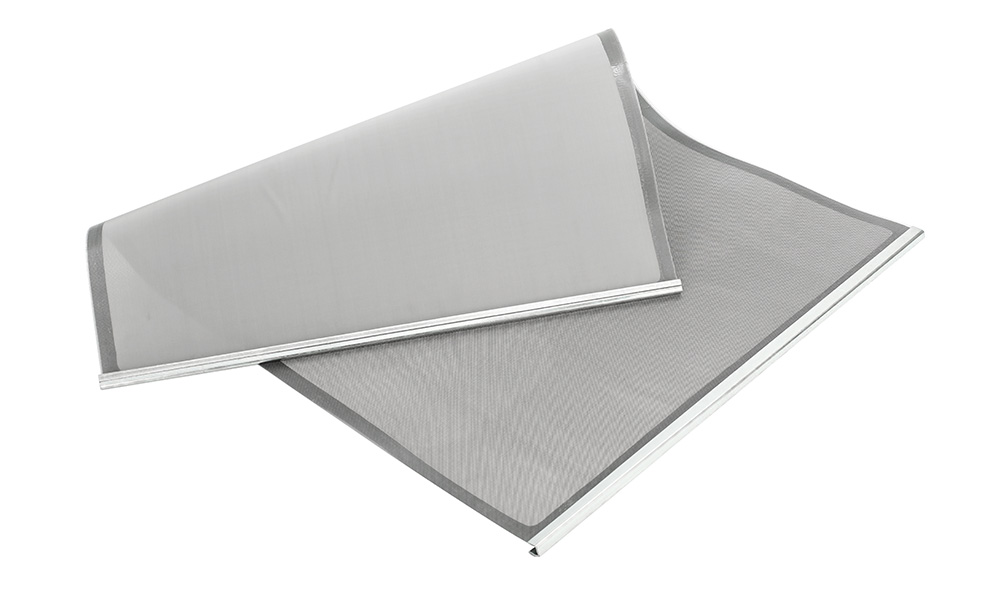
You can’t just drop any wedge wire screen into a mine water system. Start by checking what’s coming in—know the particle sizes and how much solid stuff you’ve got. That tells you what slot size and open area you need. Then look at the chemistry of your water: if it’s acidic or loaded with chloride, go for screens made from corrosion-resistant materials like 316L stainless steel or tough duplex alloys. Don’t forget the mechanical strength—make sure the wire shape and support rod spacing can take the system’s pressure and flow, whether you’re using static screens, drum filters, or vibrating panels.
Keep the System Running and Make Screens Last
Choosing the right wedge wire screen is just the beginning. Keep it performing by adding cleaning systems—spray bars or backwash setups work well—to stop it from clogging up for good. Check the screens regularly for signs of wear or bent slots, and set up a maintenance schedule so you don’t get caught off guard by breakdowns.
At the end of the day, picking a wedge wire screen that fits your water quality and system needs is what gives you sharp filtration, keeps screens working longer, and saves money in the long run. Our engineering team can customize wedge wire screen specifications for your mine water treatment projects according to water chemistry, particle distribution and peak flow rate.