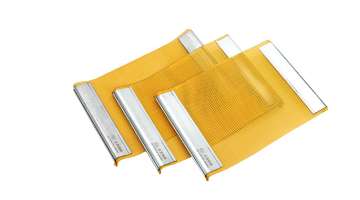
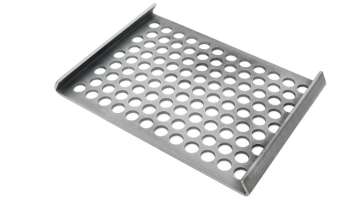
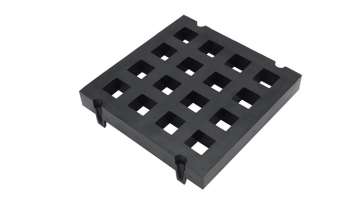
If you’ve ever watched tons of high-value fine coal get washed away with overflow water in the recovery stage, you know how much profit slips through the cracks with a poorly tuned screening setup. Wedge wire screens are the unsung workhorses here, delivering two non-negotiable functions — reliable dewatering and tight precision control — that directly lift your final product quality and cut unnecessary waste. Getting these two functions dialed in correctly doesn’t just dry your coal faster; it locks in extra yield you’ve probably been leaving on the table for months.
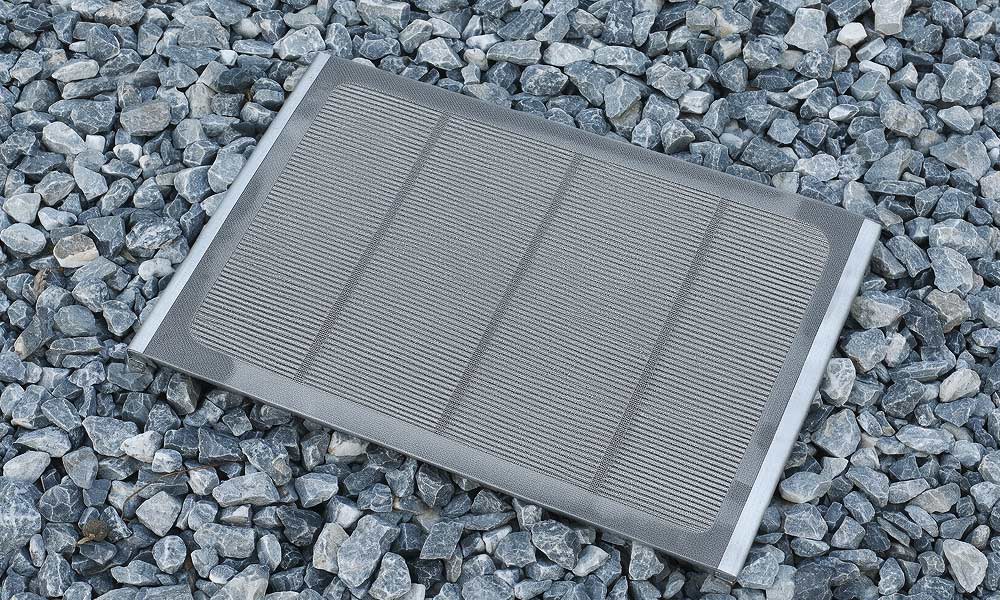 How wedge wire Screens Nail Consistent Dewatering For Fine Coal Slurry
Unlike messy mesh screens that blind fast with fine particles, the continuous, non-clogging wedge wire design lets free water drain through the deck in a steady, uninterrupted flow. When paired with gentle, targeted vibration, the wedge wire screens agitate the thin bed of fine coal just enough to break the surface tension that traps moisture between tiny particles. This pulls out far more residual water than a static sieve ever could, dropping your final product moisture down to the 10–12% range that keeps transport costs low and BTU value high, no extra thermal drying required.
Precision Control That Stops Fines Loss And Mis-Sizing
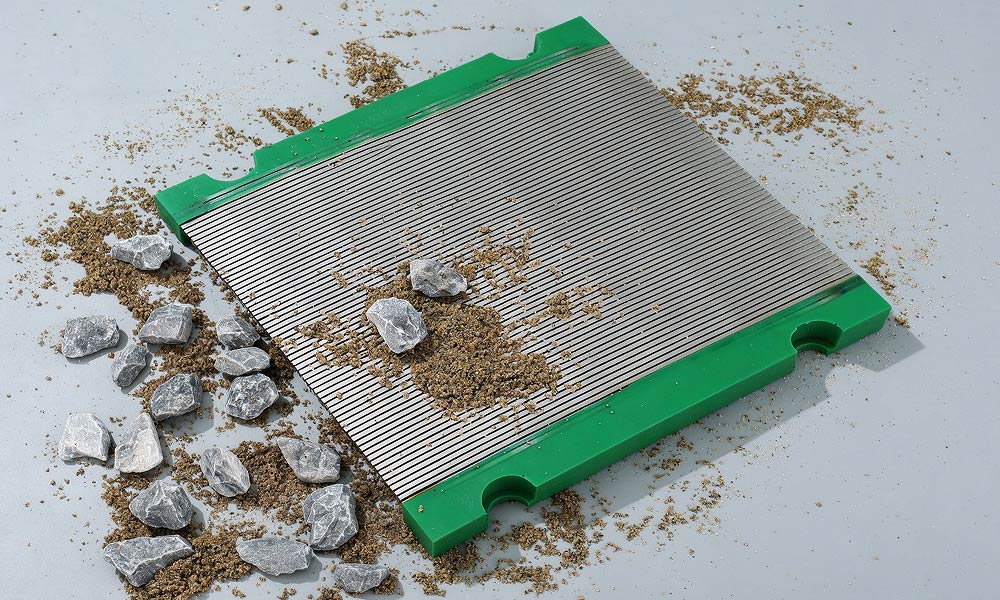
This is where wedge wire screens really pull ahead of other dewatering gear. You can spec the wedge wire width down to exact 0.1mm increments, so you can perfectly match the opening size to your fine coal’s particle distribution. That level of precision control means you don’t lose high-value 0.5mm coal fines out with the effluent, and you don’t let unwanted ultra-fine slime sneak into your final product either. No more guessing games — the wedge wires keep every targeted particle size exactly where it’s supposed to be, for a far cleaner, more consistent end product.
Small On-Site Tweaks To Maximize Both Functions
You don’t need a full deck rebuild to get better performance out of your existing wedge wire screens. Level out the feed distribution so material spreads evenly across the whole deck, no thick piles that trap water and no bare spots that waste open area. Calibrate your vibration G-force to sit right around 4.5 — strong enough to agitate moisture free, gentle enough that you don’t force fine coal particles right through the wedge wires. These 15-minute adjustments can lift your fine coal recovery rate by 3–5% almost overnight.
At the end of the day, wedge wire screens’dewatering and precision control functions are far more than just basic processing steps. They’re the two levers you can pull to cut moisture-related transport costs, stop wasting high-value fine coal to effluent, and deliver a far more consistent product to your buyers. Tuning these two functions properly is one of the lowest-cost, highest-return upgrades you can make to your fine coal recovery circuit right now.