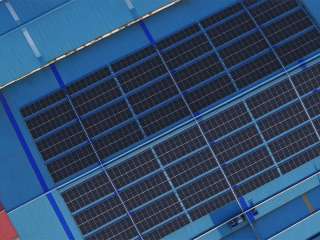
 Self-Cleaning Screens for Zinc Ore Beneficiation">
The purpose-built, field-validated system built around Self-Cleaning screens for Zinc Ore solves both anti-adhesion and wear-resistance challenges at the same time, no constant maintenance work required
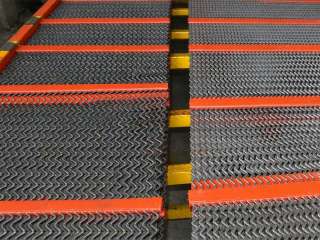 Self-Cleaning screens for rare earth ore separation">
Purpose-built anti-adhesion Self-Cleaning screens tailored for rare earth ore separation solve these persistent pain points completely, maintaining consistent high-efficiency classification even when handling heavily clay-contaminated sticky feed
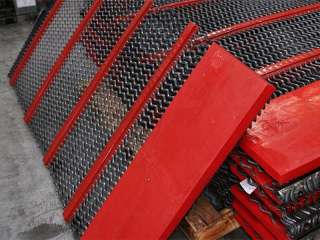 Self-Cleaning Screens for Wet Fine Coal Processing">
Many operations tried generic standard Self-Cleaning units found these designs still cannot handle the combination of high surface moisture and fine near-size coal particles, leading to unstable dewatering performance and frequent unplanned downtime
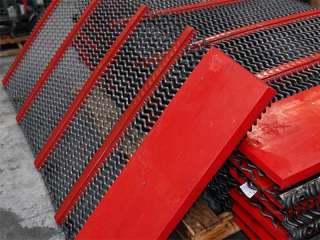 Self-Cleaning Screens: Purchase Price and Replacement Frequency">
A full life-cycle cost calculation almost always shows that high-quality, durable Self-Cleaning Screens deliver 40–60% lower total long-term operating costs than cheaper generic screening media
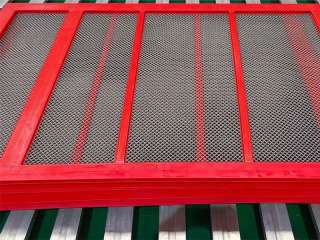 Self-Cleaning Screens in Manganese Ore Beneficiation">
For manganese ore beneficiation operations that process high-hardness, fine-grained, often high-moisture manganese feed, even standard Self-Cleaning screens can face gradual aperture clogging that drags down screening efficiency by 20%
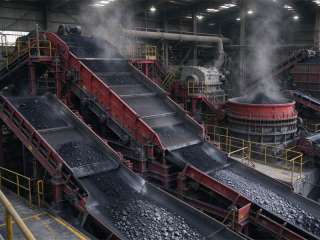 Self-Cleaning Screens in Viscous Materials Screening Such as Chrome Ore">
For mineral processing operations that regularly handle high-moisture, clay-laden viscous chrome ore, even well-built Self-Cleaning screens can struggle to maintain consistent performance
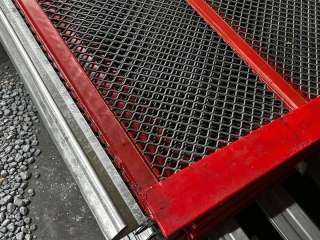 Self-Cleaning Screens: Target Values for Screening Efficiency and Wear Resistance">
Self-Cleaning Screen Quality Testing runs continuous high-abrasion material feed for a standardized 72-hour test period, measuring the total surface material loss and checking for any signs of surface fatigue cracking
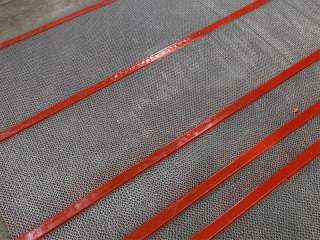 Self-Cleaning Screens in the Copper Concentrate Dewatering Process">
Self-Cleaning Screen in Copper Concentrate Dewatering serves as a practical, high-impact upgrade that fits seamlessly into existing workflows without full line reconstruction
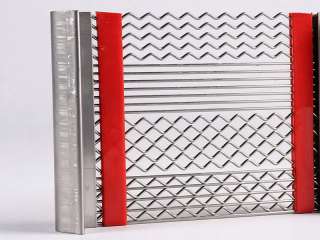 Self-Cleaning Screens and Recommendations for On-Site Testing">
Self-Cleaning screens are particularly worth testing in advance, because their performance depends so heavily on how the feed behaves in the real circuit rather than how it looks in a specification sheet
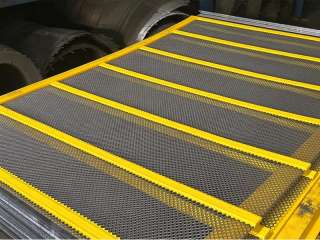 Self-Cleaning Screens for Processing High-Clay Ore">
Anyone who has run a high-clay ore through a conventional sizing deck knows that the trouble rarely announces itself all at once The mesh loads up gradually, open area disappears faster than the shift report suggests
