For mineral processing operations that regularly handle high-moisture, clay-laden viscous chrome ore, even well-built self-cleaning screens can struggle to maintain consistent performance if teams skip small but critical setup and operational adjustments tailored to sticky feed conditions. Many operations that switched over from standard rigid mesh found their new units still faced unexpected clogging, uneven wear and unstable classification accuracy, simply because they ran the equipment on default settings designed for dry, free-flowing minerals. Years of real-world field data and repeated Self-Cleaning Screens Testing across hundreds of mine sites have proven that following a small set of targeted precautions can unlock the full performance potential of these units, even for the stickiest chrome ore workflows.
Pre-Startup Parameter Calibration for Viscous Feed
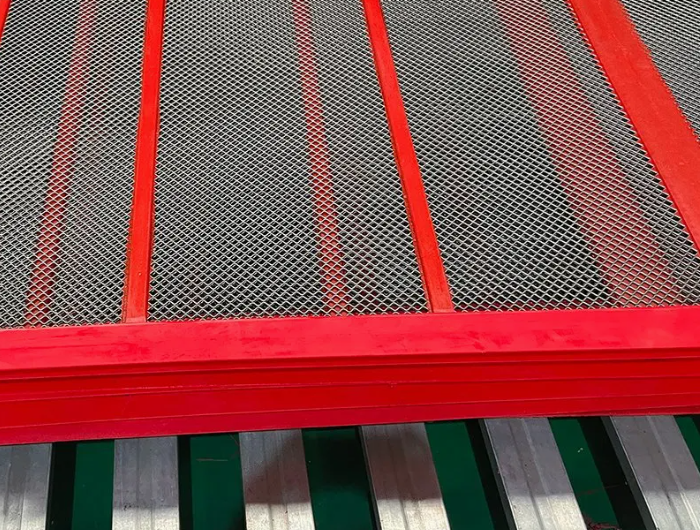
The first critical precaution is adjusting the screen deck angle and vibration frequency before introducing full volumes of viscous chrome ore, rather than relying on generic factory default settings that do not account for sticky material flow characteristics. Data collected during standardized Self-Cleaning Screens Testing shows that setting the deck to a 18–22 degree incline, paired with a slightly elevated vibration frequency, helps sticky chrome ore slide smoothly across the deck instead of piling up at the feed end and creating localized overloading that wears out panels prematurely.
Feed Pre-Treatment and Even Distribution
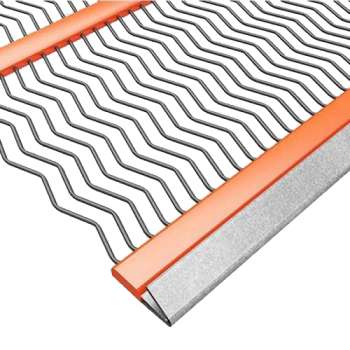
The second key precaution is installing a simple homogenization hopper and light pre-dewatering step at the feed inlet, to spread viscous chrome ore evenly across the full width of the screen deck and strip away excess free surface moisture before the material touches the mesh surface. This small adjustment drastically reduces the surface adhesive force of fine sticky particles, making it far easier for the self-cleaning flexible elements to shake loose any material that tries to wedge into apertures, and it eliminates the concentrated narrow feed flow that creates uneven, accelerated wear patterns across the deck.
Short Daily Pre-Shift Inspection Routine
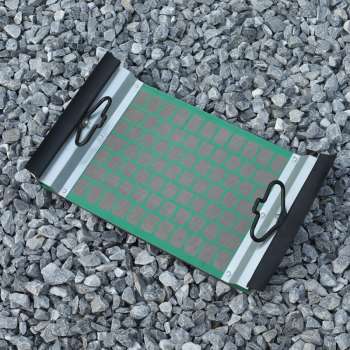
The third essential precaution is adding a 5-minute visual check of the self-cleaning flexible modules and internal anti-clogging bouncing balls to your daily pre-shift workflow, to clear any large trapped ore chunks that could jam moving parts before they cause permanent damage. This simple step, consistently highlighted in our field Self-Cleaning Screens Testing reports, helps catch minor issues early and extends the average service life of self-cleaning panels by more than 30% when processing highly viscous chrome ore.
Following these practical, field-proven precautions will help your self-cleaning screens maintain stable high classification efficiency, cut down on unplanned downtime, and deliver their full advertised service life even when running 24/7 on sticky chrome ore feed. If you need a full customized on-site parameter tuning guide tailored to your exact ore properties and existing screen model, we can put together a targeted document that your operation team can start using immediately.


Leave A Reply
By using form u agree with the message sorage, you can contact us directly now