For rare earth ore separation operations that process high-clay, fine-grained, high-moisture feed, sticky weathered rare earth particles easily cling to standard screen deck surfaces and fill apertures within just a few hours of continuous operation, dragging down classification efficiency and forcing teams to stop production for time-consuming manual cleaning work. Many operations that tried generic self-cleaning screens designed for common minerals found these standard designs cannot overcome the unique high surface tension and fine particle adhesion properties of rare earth ore, leading to unstable separation performance and unnecessary unplanned downtime. Purpose-built anti-adhesion self-cleaning screens tailored for rare earth ore separation solve these persistent pain points completely, maintaining consistent high-efficiency classification even when handling heavily clay-contaminated sticky feed.
Ultra-Smooth Low-Surface-Tension Polyurethane Surface Layer
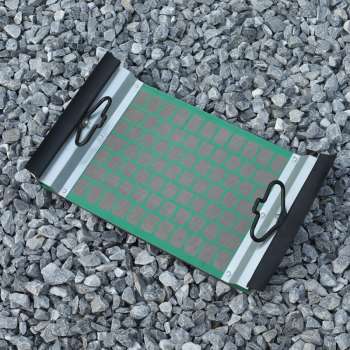
The first core anti-adhesion design feature uses a custom-formulated, food-grade polyurethane surface layer treated to have an extremely low surface tension, so fine sticky rare earth particles cannot easily form a strong adhesive bond with the screen deck surface in the first place. Unlike standard generic polyurethane panels that have a slightly porous, rough surface, this specially polished smooth surface on our self-cleaning screens stops fine clay and rare earth particles from sticking and building up a compacted layer across the deck, drastically reducing the initial adhesion risk right from the start of operation.
Independent Flexible Strip Differential Motion Structure
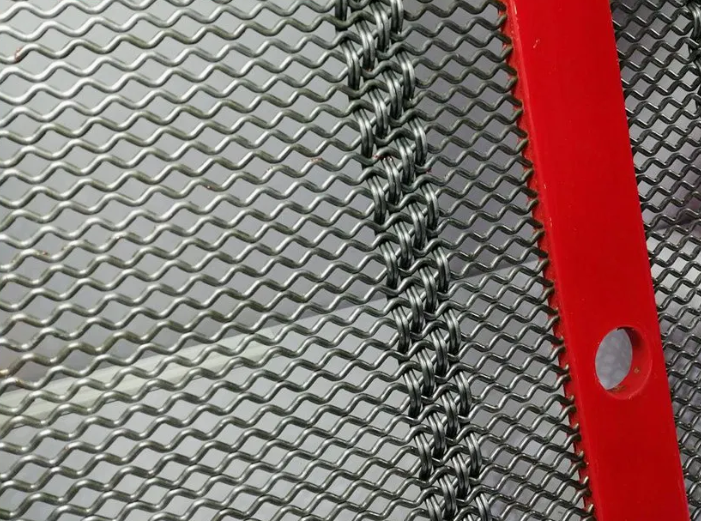
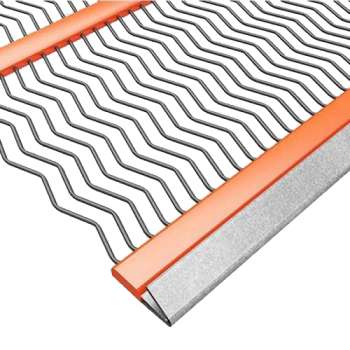
The second key design uses independent, narrow polyurethane flexible strips mounted on a rigid support frame, each of which moves at a slightly different independent vibration frequency during normal operation, instead of the synchronized uniform motion found on standard self-cleaning decks. This continuous, uneven flexing motion creates constant tiny gaps between adjacent strips that break the surface tension of any rare earth particles that do try to stick to the panel, shaking them loose immediately before they can accumulate and form a thick adhesive layer.
Optimized Non-Through Hole Bouncing Ball Compartments
The third practical anti-adhesion feature uses fully sealed non-through bouncing ball compartments beneath the screening surface, where free-moving high-elasticity balls continuously strike the back of each flexible strip without leaving any gaps or dead spots where fine sticky particles could get trapped and build up hidden caking. This design eliminates the hidden accumulation of fine rare earth particles under the deck that is a common issue on generic self-cleaning panels, keeping the full anti-adhesion performance of the self-cleaning screens stable across months of continuous operation.
This fully integrated anti-adhesion design drastically reduces manual screen cleaning frequency, keeps classification accuracy stable, and boosts overall rare earth ore separation efficiency by a noticeable margin compared to standard screening solutions. If you share details of your exact rare earth ore particle size distribution, moisture content and existing screening workflow, our engineering team can put together a fully customized design proposal that perfectly matches your site’s unique operating conditions.


Leave A Reply
By using form u agree with the message sorage, you can contact us directly now