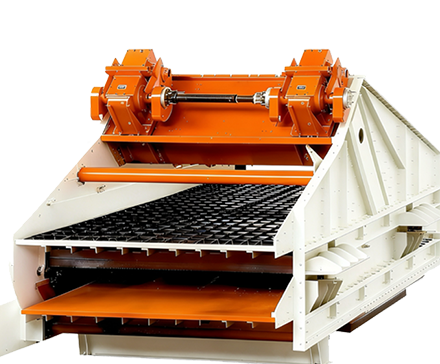
For coal preparation plants processing high-moisture fine coal fractions below 6mm, traditional dewatering screens often face rapid, severe aperture clogging that drags down drainage efficiency and leaves final product moisture content far above the required commercial threshold, forcing teams to stop production repeatedly to manually scrape sticky fine coal off the deck surface. Many operations that tried generic standard self-cleaning units found these designs still cannot handle the combination of high surface moisture and fine near-size coal particles, leading to unstable dewatering performance and frequent unplanned downtime. A targeted, field-proven setup strategy for Self-Cleaning Screens for Wet Coal Processing solves these two core pain points at the same time, delivering far more consistent results than generic screening solutions.
Slotted Aperture Layout Tuning for Efficient Dewatering
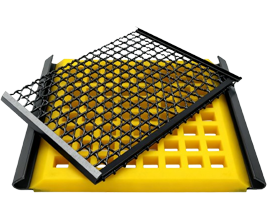
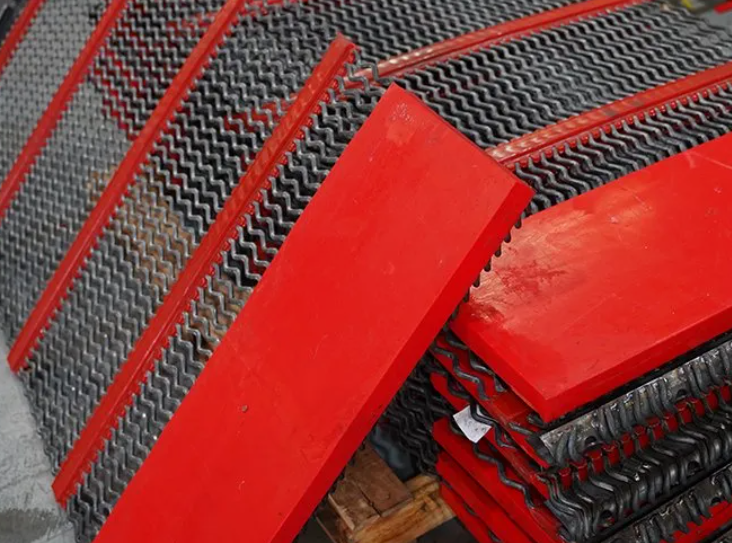
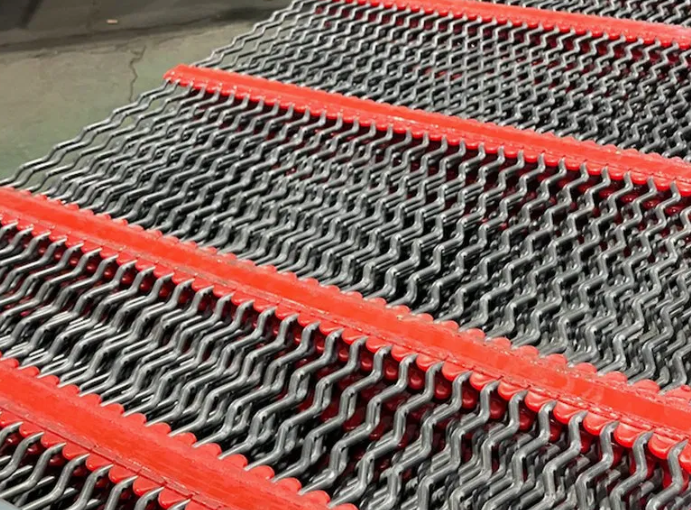
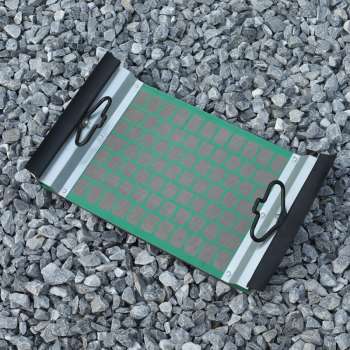
The first core part of the strategy uses a precision elongated slotted aperture layout aligned parallel to material flow, instead of the square apertures found on standard fine coal screens, which maximizes effective open area for water drainage while drastically reducing the chance of fine near-size coal particles getting wedged inside the openings. This optimized design for Self-Cleaning Screens for Wet Coal Processing creates a smooth unobstructed path for free surface water to pass through the deck, without letting fine coal particles block the drainage gaps even after hours of continuous high-volume feed.
Dual-Motion Anti-Clogging Vibration Calibration
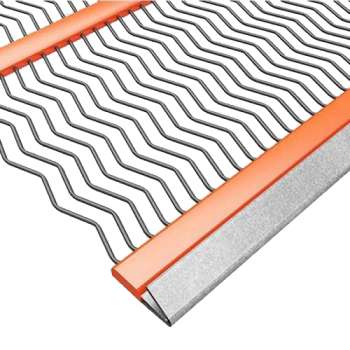
The second key component of the strategy tunes the screen’s vibration system to run a dual-motion frequency pattern, where the main screen frame runs at a standard high dewatering frequency, while the individual flexible self-cleaning polyurethane elements oscillate at a slightly higher independent frequency. This setup ensures every small fine coal particle that tries to stick or wedge into the apertures gets shaken loose immediately, and it eliminates the compacted fine coal layer that builds up on standard rigid decks during long continuous operation of Self-Cleaning Screens for Wet Coal Processing.
Gradient Deck Angle Adjustment for Extended Drainage Time
The third practical adjustment uses a slight gradient deck layout that starts at a 7-degree incline at the feed end and gradually rises to 12 degrees at the discharge end, slowing down material movement on the initial section of the deck to give free moisture more time to drain through the mesh, before accelerating material flow on the latter half to carry dewatered fine coal toward the discharge point. This simple layout tweak, widely validated across dozens of coal preparation sites, cuts final fine coal product moisture content by 2–3 percentage points without increasing clogging risk at all.
This integrated dewatering and anti-clogging strategy for Self-Cleaning Screens for Wet Coal Processing can help your plant cut final fine coal moisture to meet commercial standards, eliminate almost all manual deck cleaning work, and boost overall fine coal yield by a noticeable margin across long continuous production cycles. If you need our technical team to put together a full customized setup and parameter tuning plan that matches your exact fine coal particle size distribution and existing dewatering screen model, we can deliver a targeted solution that your operation team can implement right away.


Leave A Reply
By using form u agree with the message sorage, you can contact us directly now