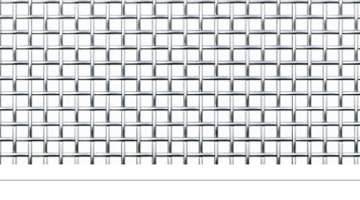
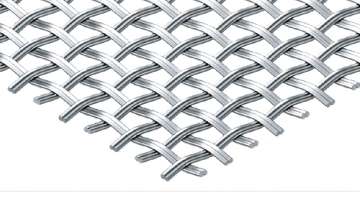
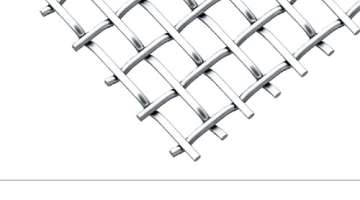
The Role of Using Self-Cleaing Screens in Copper Concentrate Dewatering
For mineral processing teams running copper concentrate dewatering lines, persistent screen blockages, uneven moisture readings and unplanned downtime constantly eat into profit margins, and the Self‑Cleaning Screen in Copper Concentrate Dewatering serves as a practical, high‑impact upgrade that fits seamlessly into existing workflows without full line reconstruction. Most standard dewatering screens fail to handle fine, sticky copper concentrate particles, which cling to mesh openings, reduce effective screening area and force frequent production halts for manual cleaning. This article covers the core on‑site value the Self‑Cleaning Screen in Copper Concentrate Dewatering delivers for processing plants.
Eliminating Unplanned Downtime From Screen Clogging
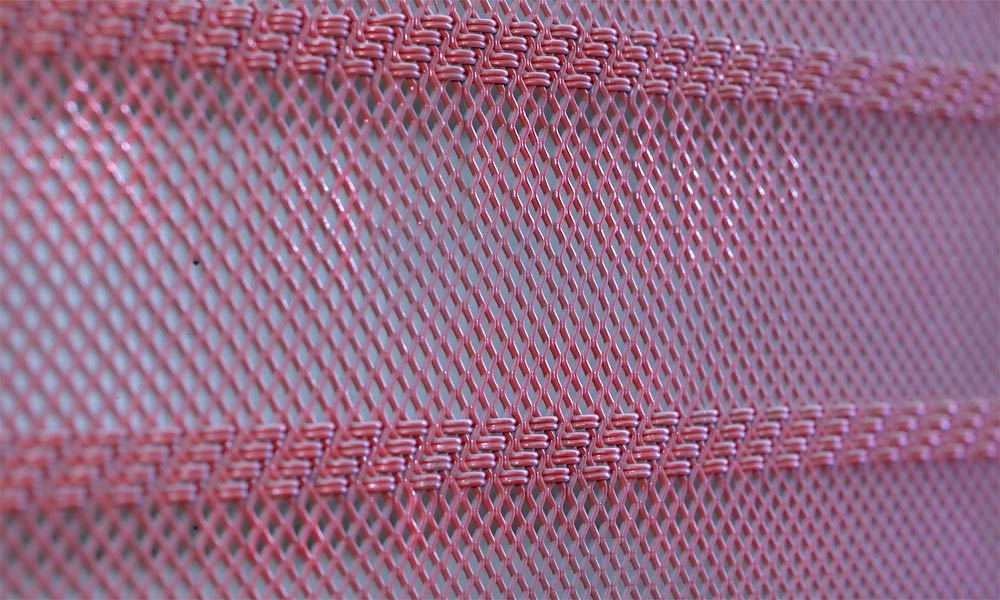
The most immediate post‑installation benefit is the sharp drop in time crews spend stopping production to scrape, rinse or replace blocked panels, a task that once took hours of every shift for many copper processing facilities. The Self‑Cleaning Screen in Copper Concentrate Dewatering uses specially designed flexible mesh that generates consistent secondary vibration during operation, shaking loose fine trapped copper particles that would otherwise build up into impermeable layers. This keeps the full screening surface open far longer between maintenance checks, eliminating sudden halts that disrupt the entire plant’s scheduling, and links naturally to your site’s non clogging dewatering screen product page for deeper user reference.
Why Copper Concentrate Loves to Blind
Flotation concentrate is a manufactured problem. The collector made the particles hydrophobic so they could ride a bubble, and that same surface chemistry makes them sticky on a screen deck. Add fine gangue slimes, residual lime, gypsum precipitation, and a high specific gravity that packs the bed quickly, and the aperture fills with a greasy micro-layer that ordinary vibration cannot shake. Conventional media fight this with more G-force, more spray water, and longer residence time, which usually means a bigger deck, higher power, and a thicker slurry mat. Self-Cleaning Screens in Copper Dewatering attack the root cause: the working surface is never static long enough for the slime skin to lock in. Polyurethane strips, harp wires, flip-flow panels, or independently vibrating elements create local acceleration spikes far above the frame vibration, so a 30-micron slime flake that would peg a wedge slot gets kicked loose twenty times a second. The copper particles still report correctly because the nominal aperture is unchanged; only the clogging layer gets evicted.
Flip-Flow, Harp Wire, and Where Each Fits
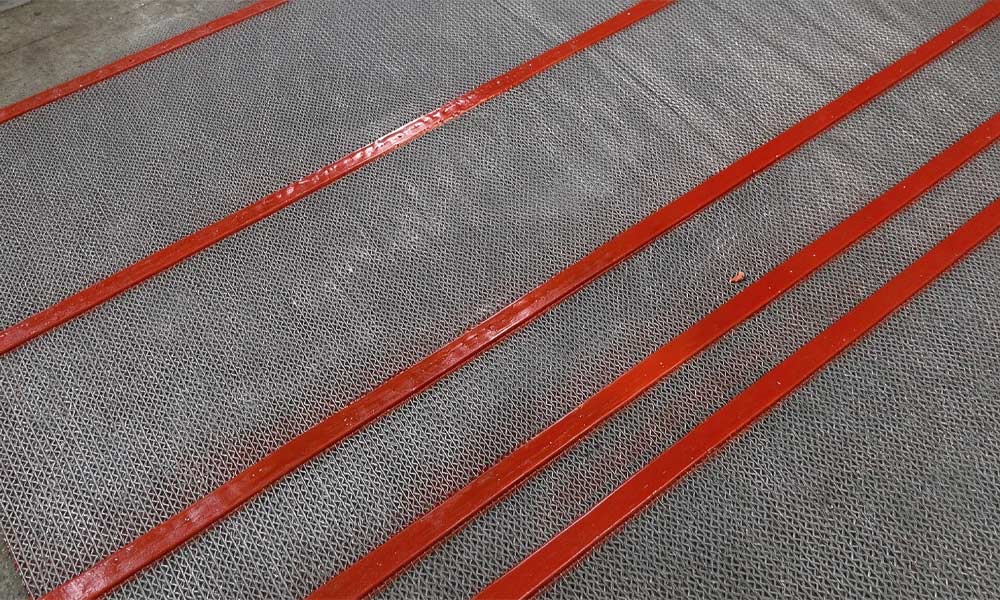
Not every self-cleaning panel belongs on a copper concentrate deck, and the plants that waste money usually buy the wrong flavor. Flip-flow panels are the heavy artillery: a flexible polyurethane frame stretched between two vibrating masses deforms the panel several millimeters per cycle, generating accelerations of 30–50 G at the screen surface, which is brutal on blinding but demanding on supports and drive. They suit high-slime, near-size concentrates where a rigid deck would blind in minutes. Harp-wire or piano-wire self-cleaning decks are gentler: vertical wires vibrate independently, near-size particles cantilever and fall back, and the deck keeps breathing without the violent panel deflection. They suit moderately sticky concentrates where flip-flow would over-complicate the frame. Hybrid PU-and-wire panels sit in between, giving wear resistance on the feed end and self-cleaning action on the drainage zone. Self-Cleaning Screens in Copper Dewatering work best when the panel type is matched to slime content, moisture, top size, and deck position rather than to whatever the catalogue calls “anti-clog.”
Moisture Target, Smelter Receival, and the Money Side
The metallurgist cares about copper recovery; the plant manager cares about tonnes per hour; the smelter cares about moisture and freight. A blinded dewatering screen quietly costs all three. Soggy concentrate means higher drying-house fuel, higher rail or truck tonnage cost because water rides free, higher dust-suppression load at the receival bin, and occasionally penalty clauses if the contract says “below 9% moisture” and the screen delivers 12%. Self-Cleaning Screens in Copper Dewatering protect that margin by holding the effective aperture open: drainage stays consistent across the shift, the cake thickness does not balloon, and the conveyor carries solids instead of porridge. On a 300 t/h concentrate circuit, even a 1.5% moisture reduction can mean dozens of tonnes of water not shipped per day, and the dryer stops acting like a giant kettle compensating for a screen that gave up at 9 a.m. The screen is not a accessory to dewatering—it is the first dryer in the plant, and self-cleaning media keep that dryer honest when the flotation reagent suite changes with the orebody.
Stabilizing Dewatering Quality for Downstream Operations
Even partial clogging creates uneven drainage across the screen bed, leaving some batches far wetter than target specifications while others run overly dry to generate excess dust and material loss. The Self‑Cleaning Screen in Copper Concentrate Dewatering eliminates this inconsistency, as its non‑clogging design ensures every screen section runs at the same steady efficiency no matter how long the line operates. This stable performance keeps every copper concentrate batch reliably within target moisture ranges, cutting smelter re‑drying costs and long‑haul transport water weight, and aligns with the professional mineral processing screening solution you offer for global clients.
Cutting Long‑Term Operational and Maintenance Costs
Many teams underestimate the wasted costs from frequent panel replacements, unclogging overtime and lost production revenue caused by avoidable downtime. The Self‑Cleaning Screen in Copper Concentrate Dewatering extends screen panel service life by 30% to 50% over standard rigid screens, as the flexible mesh absorbs material impact better and avoids the localized wear from constant manual scraping.
If you are struggling with frequent blockages, inconsistent moisture levels or rising maintenance costs on your dewatering line, this proven upgrade resolves these pain points without full workflow disruption. You can start with a single test unit to measure real performance gains on your specific material, before rolling it out plant‑wide to unlock greater long‑term operational efficiency.