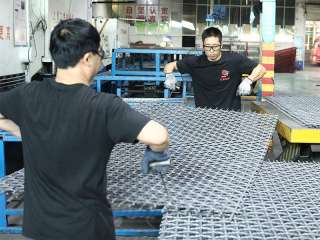
 Metal Woven Screens Used in Underground Mining">
Metal Woven Screens into that chaos without compromising performance or creating maintenance headaches is its own skill The real challenge isn t just picking a Screen; it s making it fit
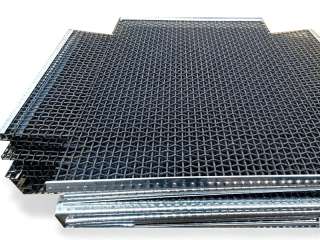 Metal Woven Screens in the Ore Screening Process">
For mine operations processing acidic leach ore, high-sulfur coal or salt-containing mineral deposits, premature failure of Metal Woven Screens from combined abrasive wear and chemical corrosion can cut production uptime by 40% or more
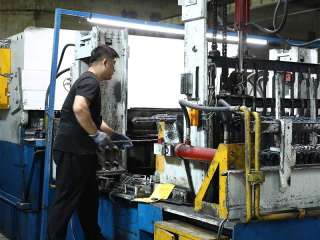 Woven Metal Screens in Coal Preparatioin">
Coal preparation plants are brutal environments for any Screen surface Slurry with hard quartz particles, acidic runoff, and nonstop vibration — it s a triple threat that chews through ordinary Woven Metal Screens fast
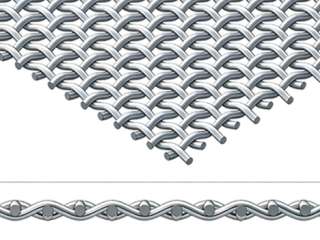 Screen Mesh">
Metal Woven Screen mesh stands out in the sand and gravel processing and mining industry due to its efficient s
 Woven Wire Mesh: Wear on Support Bars and Improper Installation">
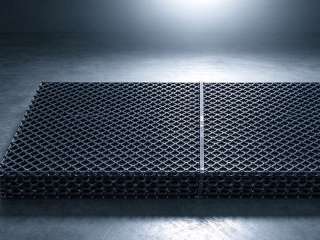
When using Woven Metal Screens for material processing, premature failure is often attributed to the quality of Screen material itself However, wear on support bars and improper installation methods are also significant contributors to this issue
 Screen Panels">
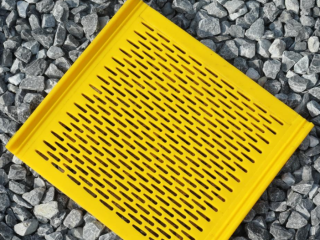
If you’ve ever tried to Screen wet, sticky fines at high tonnage, you know the pain of blinding Screens and soggy product That’s where polyurethane flip-flow Screen panels come in—but not all panels are created equal
 Screens in Mining and Quarrying Industries">
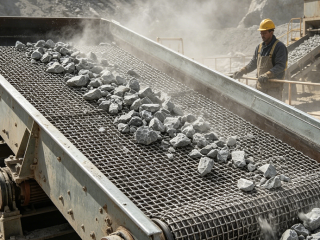
Replacing wire Screens in mines and quarries can be a major expense,but you can actually make them last much longer with some basic maintenance Here are six straightforward ways to cut down those costs
 Metal Wire Mesh Screens in Sand Making Production Screening Process">
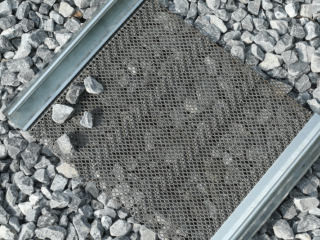
Excessive Feed Impact is the most common "killer " of your wire Woven mesh The material coming out of the sand making machine slams against the Screen at high speed, equivalent to hammering the wire every day
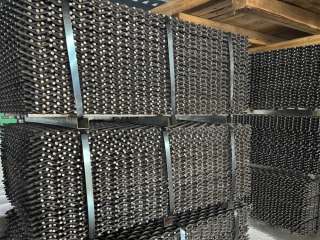 Woven Metal Screen: A Practical Guide to Aperture Selection">
the right Metal Woven Screen isn t necessarily the cheapest, but rather one whose aperture, wire diameter, material, and weaving method perfectly match your process requirements
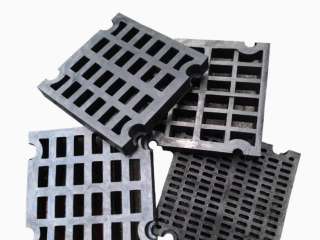 Screen more durable than the Metal Screen?">
Rubber Screen is not necessarily more durable than Metal Screen Both have their own advantages and disadvantages, depending on the use environment and needs
