Space Constraints and Installation Requirements for Woven Screens Used in Underground Mining
Anyone who's worked underground knows there's no room to waste. Every inch inside mining equipment is already spoken for — cables, hydraulics, ventilation ducts, you name it. Metal woven screens into that chaos without compromising performance or creating maintenance headaches is its own skill. The real challenge isn't just picking a screen; it's making it fit, securing it, and keeping it functional where nobody wants to crawl back in and fix things.
Why Headroom and Manway Size Dictate the Whole Spec
The first constraint underground is rarely vibration or abrasion — it is whether the panel can enter the workplace at all. Many declines, cross-cuts and crusher alcoves are built around machine envelopes, not maintenance dreams, so a 2.4 m square screen deck that fits a surface plant might have to arrive as three smaller Metal Woven Screen sections because the manway will not swallow the full panel. Experienced mines pre-agree maximum panel width, roll diameter and case size with the hoist, cage or track route before the order is placed. Roll-form mesh for filtration or drainage may need a core that will not collapse when bumped against the guide rails, while heavy crimped screening panels mayneed pre-cut modular sizes rather than one monster sheet. A Metal Woven Screen programme planned around the shaft dimensions saves more downtime than any fancy alloy choice, because a screen that cannot get to the deck is just inventory sitting on surface.
Deck Clearance, Inter-Deck Gap and the Forgotten Human Factor
On multi-deck vibrating screens squeezed into an underground chamber, the gap between decks is where the job is won or lost. Guidance from surface screening maintenance practice is clear: increasing the distance between decks makes access easier, cuts manual-handling risk, shortens change-out time and reduces production loss, while cramped inter-deck spacing turns a routine swap into a bruised-knuckle ordeal.A Metal Woven Screen installed in a tight top deck often cannot be hooked, tensioned and trimmed without removing the feed box or the spray manifold first. Underground, you rarely have the luxury of pulling the whole screen machine out, so the panel has to be installable from one side with gloves on and a cap lamp in your teeth. That favours lighter mesh sections, hook edges that seat without shimming, and modular widths a single person can manhandle while a second person tensions from the access side.
Tensioning Systems: Bolt-On, Hook-Strip or Pre-Framed Panels
Underground installation punishes complicated fixing systems. Bolt-fixed mesh is rugged and resists walking under high-G vibration, but rusted nuts in a damp drive cross-cut can turn a ten-minute swap into an hour of penetrating-oil theatre. Hook-strip tensioning is faster if the support rail is true and the warp tension was set correctly at the factory, but a warped hook or a worn clamp bar lets the Metal Woven Screen drum against the deck and fret at the edge. Pre-tensioned welded frames or cassette panels cost more upfront and eat a little open area, yet they remove field adjustment almost entirely — bolt it down and walk away, which is exactly what a contractor wants at 2 a.m. The right answer depends on change-out frequency: a scalping deck swapped every few weeks wants tool-light modular fixing; a filtration or drainage screen left alone for months can justify a heavier bolted frame.
Why Space Is the First Problem You Solve
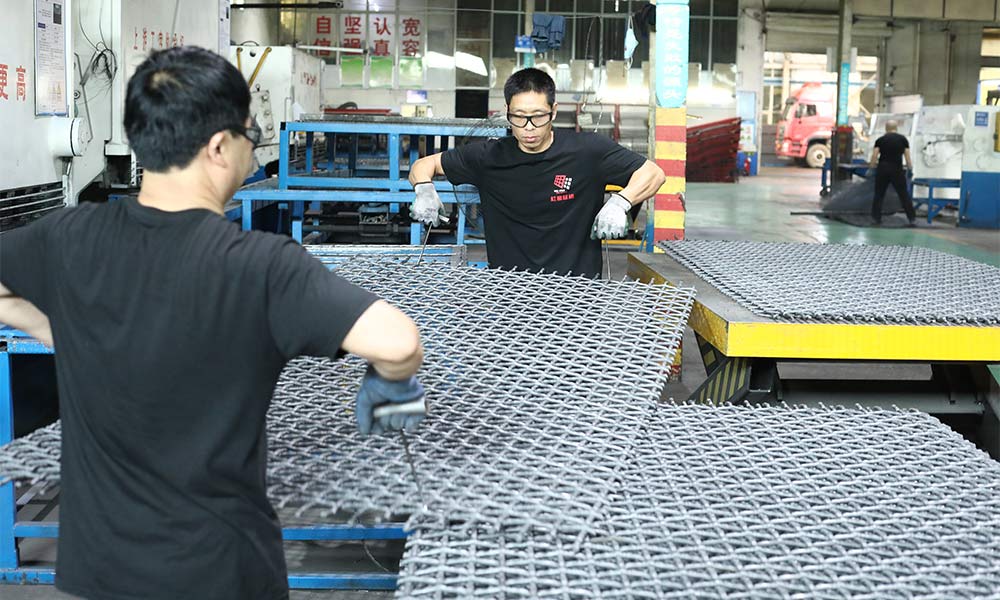
Underground mining equipment like scrubbers, trommels, and dewatering units don't have generous deck areas. Metal woven screens often need to replace older rigid panels, but the mounting footprint might differ by centimeters that matter. Thin-profile weaves — under 10mm total thickness — are the go-to here. You also want screens that can be cut to custom shapes on site rather than shipped pre-formed, because underground teams rarely have time to wait for exact-fit replacements from the surface.
Bolting and Tensioning in the Dark
Installation underground means working with gloves, headlamps, and limited tool access. Metal woven screens need even tension across the frame or they'll fatigue and crack at the edges. Quick-clamp or bolt-on systems with captive hardware beat anything that requires fiddly wire ties. Some operators prefer welded frames with pre-tensioned mesh — zero adjustment needed once it's bolted down. Either way, the install has to be foolproof because nobody wants to go back down there in two weeks.
Vibration, Dust, and Heat — The Silent Killers
Screens inside underground gear face constant vibration from crushers and feeders, plus heat from hydraulic lines running nearby. That combo loosens fasteners and accelerates metal fatigue. Using lock washers, thread-locking compound, and high-temperature rated mesh alloys addresses most of it. Don't overlook airflow either — screens need breathing room or dust cakes up faster than you'd believe.
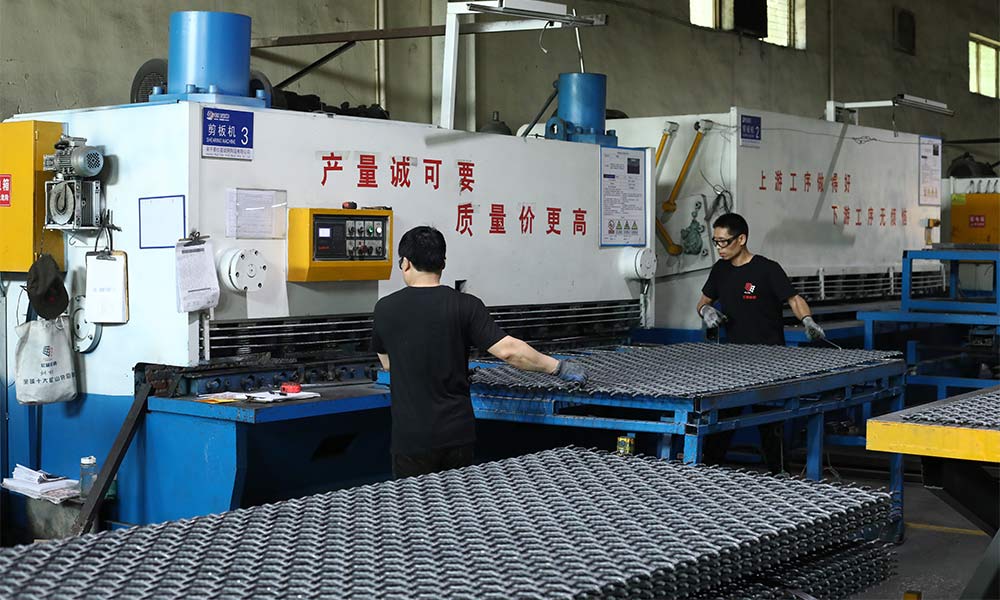
Metal woven screens for underground mining equipment demand more thought than most buyers give them. Get the dimensions, the mounting style, and the operating conditions sorted first — then match the screen. Need help spec'ing one for your specific rig? Send us the equipment model and we'll sort it out. Contact our engineering team for underground mining metal woven screen specification consultation.