Synthetic Screen Media vs Metal Mesh for Wet and Sticky Ore Screening
If you have ever stood beside a wet screening deck on a high-clay mineral processing site, you already know the frustration that comes with running traditional metal mesh through sticky, moisture-heavy ore: blinding that clogs every opening in hours, constant premature tearing from sharp abrasive particles, and endless unplanned maintenance stops that kill your circuit’s throughput. After spending years walking these decks with process engineers and maintenance foremen, I have watched hundreds of operations waste thousands of extra dollars every month trying to force metal mesh to work in conditions it was never designed for, when a simple switch to the right engineered media would eliminate most of those daily headaches. This practical, field-tested guide breaks down exactly why synthetic screen media outperforms traditional metal mesh in wet and sticky ore screening, drawing on real on-site lessons that generic product brochures never mention.
Anti-Blinding Performance That Keeps Decks Running Shift After Shift
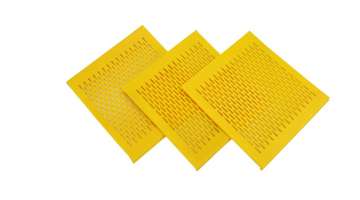
The single biggest pain point on any wet, sticky ore screening circuit is blinding, where fine damp particles wedge tight into every opening and block flow until operators have to stop the whole machine to scrape or blast the surface clean, and this is where Synthetic Screen Media: delivers its most immediate, noticeable performance advantage over rigid metal mesh. Unlike hard metal wires that create sharp, unyielding edges that sticky fine clay and wet coal fines can wedge into permanently, flexible synthetic compounds flex thousands of times per minute along with the screen’s vibration, gently dislodging near-size particles before they can lock into place and block the aperture. This natural anti-blinding behavior means operators no longer have to slow down feed rates halfway through the shift just to keep the deck from choking, and they can run consistent tonnage from the start of the shift all the way to the end without stopping for manual deck cleaning. Many sites that make the switch report that their effective open area stays above 80 percent for the full service life of the panel, compared to metal mesh that can drop below 40 percent effective open area within just a few hours of running high-moisture sticky ore.
Dramatically Extended Wear Life In Abrasive Slurry Conditions
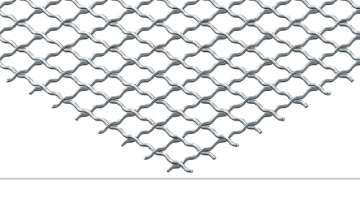
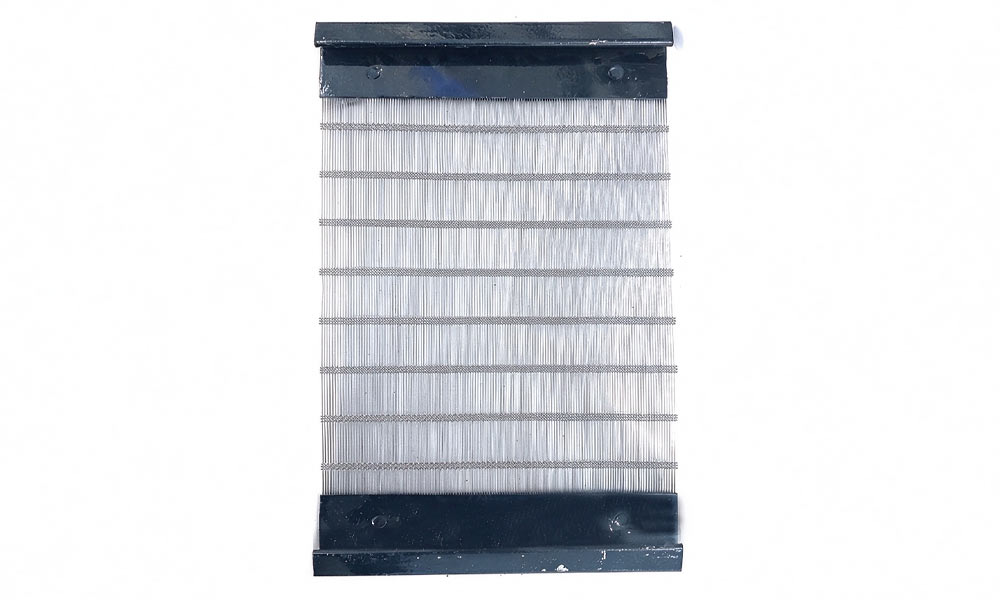
Wet, sticky ore is tough on screens. The slurry is loaded with sharp, abrasive particles grinding away every second, and they chew through metal mesh way faster than dry screening ever could. That’s where synthetic screen media flips the script. High-quality polyurethane and rubber don’t just hold up—they outlast traditional woven steel mesh by three to five times when you’re dealing with abrasive slurry. Their flexible molecular structure absorbs the pounding and scraping from those sharp particles, while steel just takes the hits and eventually wears down.And metal has another problem—it rusts and corrodes with all that moisture and those mild chemicals floating around in mineral processing. Over time, you get a rough, pitted surface on steel that grabs more sticky fines and wears out even quicker. Synthetic media doesn't have that issue. It’s totally resistant to corrosion, so it stays smooth and doesn’t speed up wear as panels age.This longer service life isn’t just about fewer panel replacements for your crew. It also means you avoid the sneaky costs that come with metal mesh getting stretched and worn unevenly. Once it loses shape, your cut points get inconsistent long before the mesh actually tears.
Reduced Maintenance Burden And Improved Site Safety
Running metal mesh on wet sticky ore does not just create more frequent screen failures; it also adds a huge amount of unnecessary, high-risk work for your maintenance team, who have to spend hours working at height on a vibrating deck to swap out torn, tensioned full-deck panels, and this is one of the most underrated advantages of switching to Synthetic Screen Media: for these tough duties. Almost all modern synthetic screening systems use modular, lightweight panels that bolt or pin into a pre-fabricated steel frame, so instead of pulling, stretching, and tensioning a full 3-meter wide sheet of heavy woven metal wire, a single maintenance technician can swap out a small localized worn section in less than 10 minutes, no heavy lifting or specialized tensioning tools required. The flexible synthetic surface also absorbs a huge amount of the machine’s vibration energy before it travels out to the deck walkways, cutting ambient noise levels by 15 to 20 decibels and drastically reducing the long-term hand-arm vibration exposure that comes with working around vibrating screens for full shifts. Many operations that make the switch report a 60 percent or more reduction in screening-related maintenance hours per week, freeing their crew up to focus on higher-impact tasks elsewhere in the plant instead of constantly patching and replacing torn metal mesh.
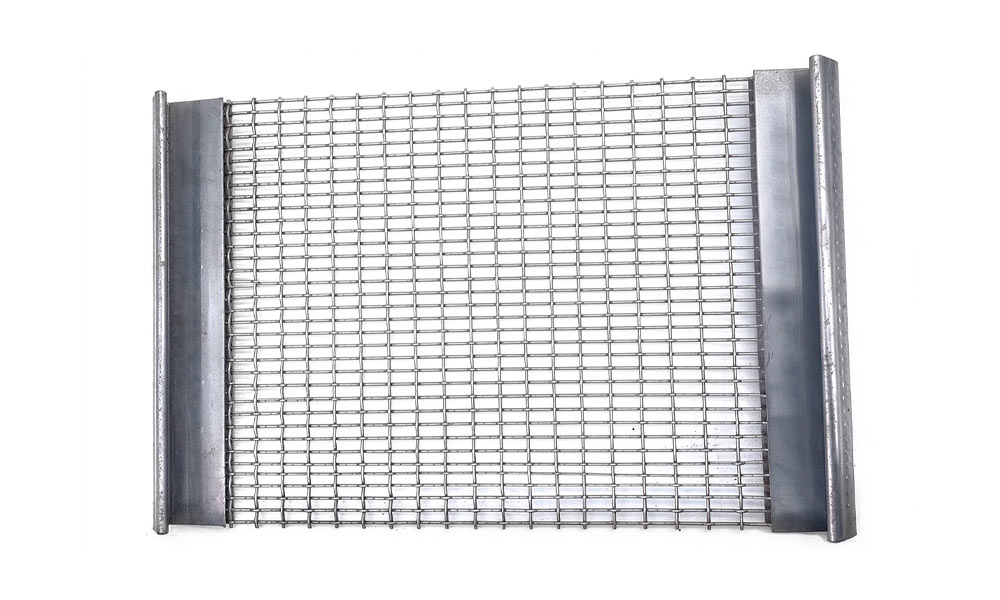
Consistent Cut Point Accuracy Even In Variable Feed Conditions
One of the most persistent hidden problems with running metal mesh in wet sticky ore is that the constant abrasion, stretching, and localized wear distorts aperture shape over time, shifting your cut point unexpectedly and letting oversize material slip through to contaminate your final product or valuable fine material report to tailings, and this is where Synthetic Screen Media: delivers a level of long-term consistency metal simply cannot match. High-quality molded synthetic panels hold their exact aperture geometry for their entire service life, because the openings are precision-molded into the panel instead of woven from individual wires that can shift, stretch, or break free under repeated stress. Even when the panel begins to wear down slowly over thousands of tons of processed ore, the aperture size stays consistent, so your process team never has to constantly adjust feed rates or water flow to compensate for a slowly shifting cut point that they cannot even see. This level of long-term consistency means you can hold your finished product gradation within tight specification limits far longer between panel swaps.
At the end of the day, synthetic screen media is not just a slightly more expensive drop-in replacement for metal mesh; it is a purpose-built solution designed to solve the exact set of problems that make wet and sticky ore screening one of the most frustrating, high-cost duties in the entire mineral processing plant. The combination of natural anti-blinding performance, drastically extended wear life, reduced maintenance burden, and consistent long-term cut point accuracy adds up to far higher total circuit uptime, lower total operating cost per ton, and more consistent final product quality than any traditional metal mesh system can deliver in these tough conditions. For operations that are still wasting hours every week fighting blinding, patching torn metal panels, and cleaning contaminated product, making the switch to the right synthetic media is one of the lowest-effort, highest-return improvements you can make to your wet screening circuit.