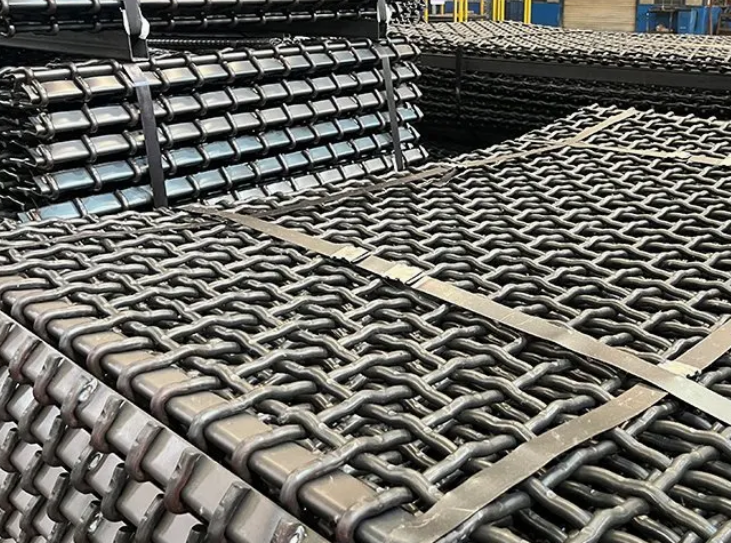
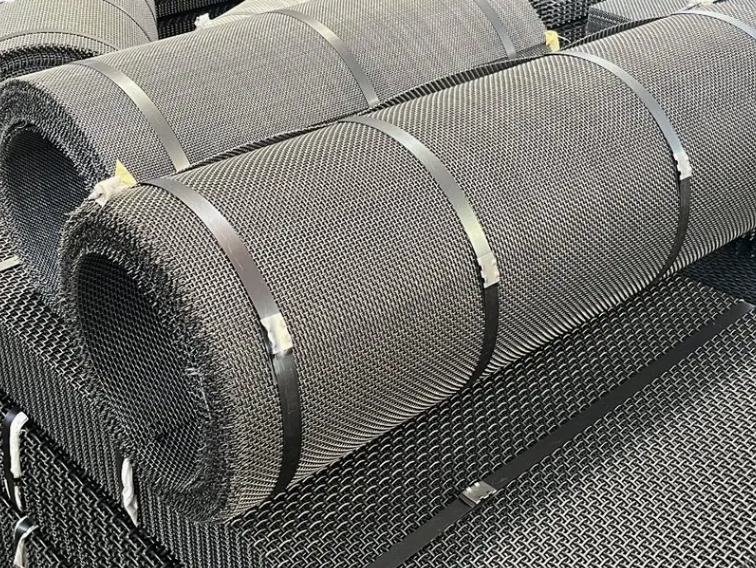
For mineral processing, quarrying and aggregate production operations that rely on consistent screening performance, the long‑term durability and aperture accuracy of Metal Woven Screens depend almost entirely on the quality of the original steel wire rods used in the weaving process, rather than just the craftsmanship of the weaving workshop. Many plant operators have experienced the frustrating issue of brand new Metal Woven Screens developing premature wire breakage, uneven mesh deformation and fast abrasive wear after only a few weeks of service, and in most cases the root cause traces back to unregulated raw material procurement and insufficient pre‑production quality control that lets substandard steel wire rods enter the production flow. Establishing clear, actionable procurement rules and strict quality inspection standards for steel wire rods is the most fundamental step to guarantee the consistent performance and long service life of finished Metal Woven Screens.
Targeted Raw Material Procurement Specifications
The first core procurement rule for steel wire rods used in Metal Woven Screens is to select low‑carbon high‑manganese steel grades with strictly controlled carbon and manganese content, which balances sufficient structural toughness to resist repeated impact from heavy feed material and the surface hardness needed to withstand continuous abrasive scouring from mineral particles. Procurement teams should also prioritize suppliers that provide full chemical composition test reports for every batch, and avoid generic low‑cost wire rods produced for general construction purposes, as these often contain uneven internal grain structure and unexpected impurity inclusions that will cause unpredictable early failure in finished Metal Woven Screens under heavy working conditions.
Full‑process Quality Control Before Weaving
After raw steel wire rods are delivered to the workshop, the first step of quality control is to carry out a 100% surface inspection and tensile strength sampling test, rejecting any wire rods with surface cracks, pitting, inconsistent diameter or tensile strength deviation beyond the allowed range, before any subsequent drawing and weaving work begins. Many experienced manufacturers also add a stress relief annealing step after the wire drawing process, which eliminates internal residual stress in the steel wire and prevents the finished Metal Woven Screens from local deformation and aperture distortion after being installed on the screening deck and put into operation.
Strict procurement standards and full‑process quality control for steel wire rods do not just prevent early failure of Metal Woven Screens, but also extend the average service life of finished screens by 2 to 3 times under the same working conditions, drastically reducing the total part replacement cost and unplanned downtime for screening operations. If you are looking for a reliable supplier that follows complete raw material inspection and quality control standards for Metal Woven Screens, our team can provide you with full test documentation for every batch of products, ensuring you get consistent, long‑lasting screening performance that matches your actual production requirements.


Leave A Reply
By using form u agree with the message sorage, you can contact us directly now