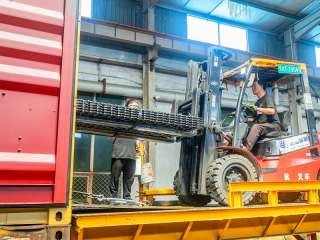
 Screen Based on Ore Hardness">
Choosing the right Screen for mineral processing requires matching the equipment to the specific challenges of your ore s hardness Soft, clay-rich ores cause blinding and sticking, while hard, abrasive rocks lead to rapid wear
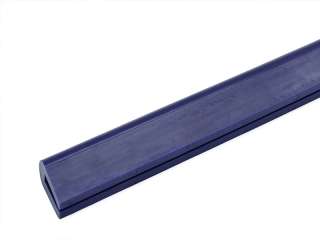 Screen Clamping Strips">
Screen clamping strips take a beating — impact from feed, constant vibration, and metal-on-metal friction wear them down until they lose grip
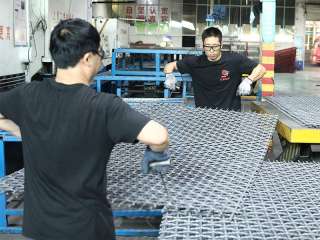 Screens Used in Underground Mining">
Metal woven Screens into that chaos without compromising performance or creating maintenance headaches is its own skill The real challenge isn t just picking a Screen; it s making it fit
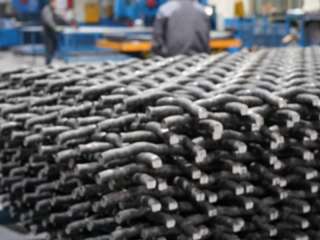 Screen: From Raw Wire to Finished Screen">
Most people grab a roll of woven metal mesh and never think twice about what went into it But behind every panel sitting on a Vibrating Screen is a production process that s more precise than you d guess
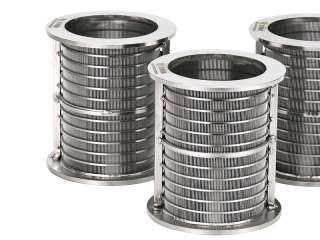 Screens">
Flat and cylindrical wedge wire Screens are both built from that same durable, non-clogging V-shaped wire, but their shapes make them fit totally different application scenarios
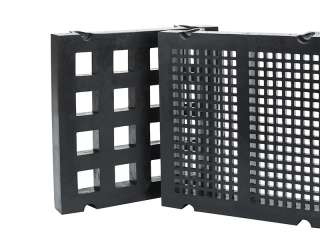 Screen Panel Thickness for Light and Heavy Duty Use">
Picking the right rubber Screen panel thickness might seem like a tiny detail, but it’s one of the easiest ways to slash unnecessary wear costs and keep your Screening line running reliably
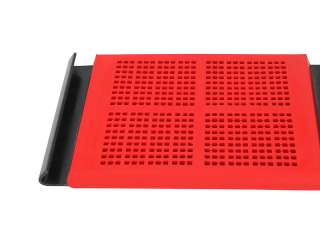 Screen">
Understanding how the elongation of polyurethane materials affects the tear resistance of polyurethane Screens helps in selecting Screens suitable for specific operating conditions, maximizing the Screen s value
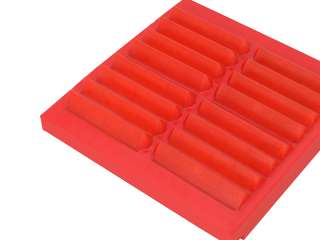 Screens in mineral processing desliming">
Specialized polyurethane desliming Screens are engineered specifically for the harsh, high-abrasion conditions of mineral desliming workflows, improving the performance of every downstream flotation and leaching stage
 Screens in flammable dust environments">
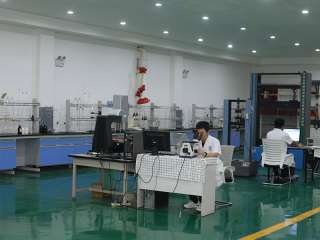
Properly deployed antistatic polyurethane Screens eliminate 90% of hidden static spark risks in high-flammability dust zones while retaining all the wear and efficiency benefits of regular polyurethane mesh
 Screen Panels for Limestone Final Crushing: Noise Reduction & Impact Resistance Practical Guide">
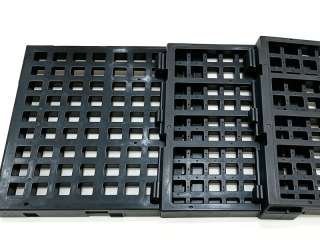
switching to purpose-built rubber Screen panels at the final crushing stage can cut on-site noise by 15-20 decibels and extend Screen service life, while maintaining consistent Screening accuracy for your required final aggregate gradation
