Replacement Cycle and Analysis of Wear-Related Failures for Screen Clamping Strips
Most plant managers keep a spare screen panel in the shed but forget about the clamping strips holding it in place. That's a mistake. Screen clamping strips take a beating — impact from feed, constant vibration, and metal-on-metal friction wear them down until they lose grip. Understanding their replacement cycle and analyzing common wear-related failures saves you from unplanned shutdowns and torn screen edges.
Typical Replacement Cycle: It's Shorter Than You Think
On most vibrating screens running abrasive feeds like iron ore or crushed aggregate, screen clamping strips need inspection every 4–6 weeks and replacement every 3–4 months. If you're processing sticky material like wet bauxite or clay-heavy slurry, acid from the slurry accelerates corrosion, cutting that to 6–8 weeks. The strip itself might look intact, but once the bolt holes elongate or the clamping surface wears below 80% of original thickness, tension drops and screen panels start shifting.
What clamping strips are really doing
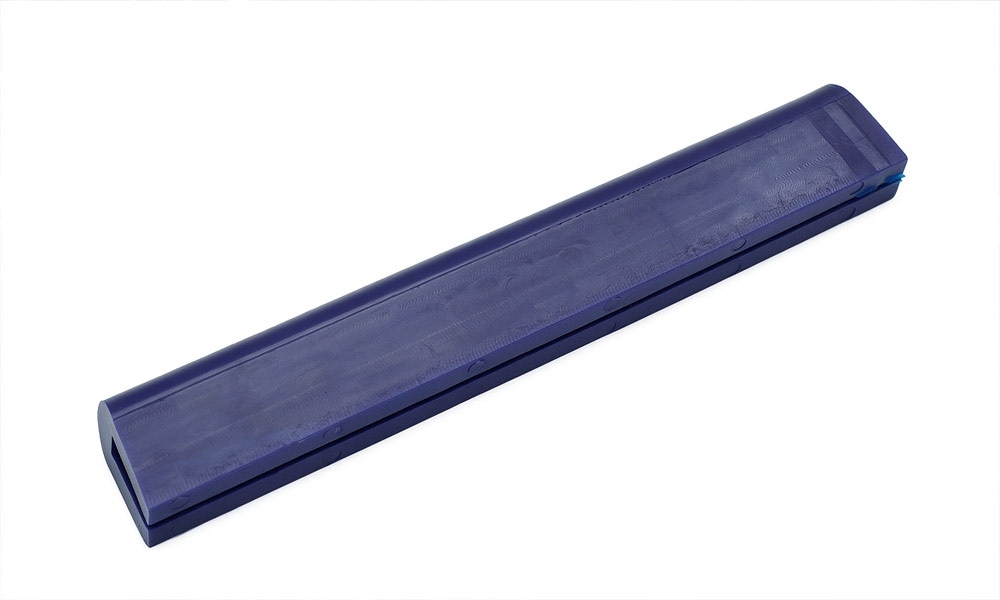
A Clamping Strip looks like a length of rubber, polyurethane, or extruded plastic tucked along the deck edge, but its job is mechanical diplomacy: it cushions the hard steel frame against the softer panel hook, distributes clamping pressure so one bolt does not crush the media, seals slurry out of the rail cavity, and gives the tensioned screen a stable shoulder to pull against. On a vibrating deck this is brutal work, because the strip is squeezed thousands of times per minute, abraded by fines that migrate under the lip, heated by sun on outdoor pits, soaked in acidic mine water, and occasionally smashed by a crowbar during a rushed changeout. A good strip is compliant enough to follow deck imperfections, tough enough to resist cutting, and stable enough not to take a permanent set after a hot afternoon. When people say “the panel tore at the hook,” they often mean the Clamping Strip stopped doing its job first—it went glazed, lost rebound, channeled slurry into the bolt line, and let the metal frame bite straight into the panel edge.
Common wear failures, and what they whisper
The failure gallery for Clamping Strips is smaller than for media but far more consequential. Glazing and hardening shows up as a shiny, brick-like surface where the rubber or PU lost elasticity; the strip no longer follows the panel, so local pressure spikes and the hook strip starts fraying. Abrasive cutting appears when fine sand, coal slime, or crushed rock works under the lip and acts like sandpaper on every vibration cycle—classic sign the seal lip is too short or the deck angle lets fines pool at the edge. Chemical swelling or softening tells you the polymer is wrong for the duty: alkaline flotation slurry, sulfuric acid from sulfide pits, caustic washdown, or solvent-based cleaners can bloat the strip, mush its hardness, and let bolts walk loose. Compression set—where the strip stays squashed after unloading—means it has aged out and can no longer maintain tension, so the panel drums and the hooks hammer. Cracking at bolt holes is the dangerous one: it lets slurry into the steel rail, starts hidden corrosion, and the next panel change reveals a rotten side plate nobody photographed last quarter. Each of these is a message: a Clamping Strip failure is rarely random, it is the deck describing its feed, its chemistry, its torque habits, and its changeout manners.
Setting a replacement cycle that protects the media
A sane replacement rule treats Clamping Strips as scheduled consumables, not “replace when screaming.” Many plants run a simple tiered clock: inspect every panel change, lightly dress or clean reusable strips, and replace on a time or tonnage trigger—say every 2–4 media changes for PU strips in abrasive duty, every 6–12 months for outdoor UV-exposed rubber, and immediately if hardness changed, lips worn past the seal land, bolt-hole cracking, swelling, glazing, or slurry staining appears behind the rail. The smarter move is to link the strip life to the media life: if a polyurethane panel is rated for 3,000 hours and the strip is already 70% compressed at 1,200 hours, you do not wait—you fit new strips at the next planned stop and protect the panel investment. Outdoor open-pit decks need UV-stable EPDM or special PU, food and beverage loops need FDA-grade compliant elastomers, acidic leach circuits need chemically resistant compounds, and heavy scalping decks need thicker, cut-resistant profiles rather than the slim strip borrowed from a fine-screen frame. Torque discipline matters too: a Clamping Strip crushed by an impact gun ages in one afternoon, while a calibrated wrench and a center-out sequence let the same strip survive three panel swaps. Keep a strip log by deck position—feed end wears fastest, discharge end sees thinner bed but more chemical exposure—and the replacement cycle stops being a guess and becomes part of the maintenance plan.
The Top Three Wear-Related Failures You'll See
The most common failure happens where the clamping strip meets the screen panel. Constant micromovement grinds the metal away, eventually turning round bolt holes into ovals. That loosens the whole assembly and leads to panel slap — a sound you don't want to hear.High-cycle vibration, especially on screens running above 40Hz, causes microfractures near bolt clusters or bends. These cracks propagate slowly until the clamping strip snaps mid-shift. It’s a sudden failure that usually takes a screen panel down with it. In wet screening or wash plants, moisture and fines get trapped between the strip and the deck. That creates a corrosion cell that eats the metal from the inside out. You might see surface rust, but the real damage is hidden until the strip loses structural integrity.
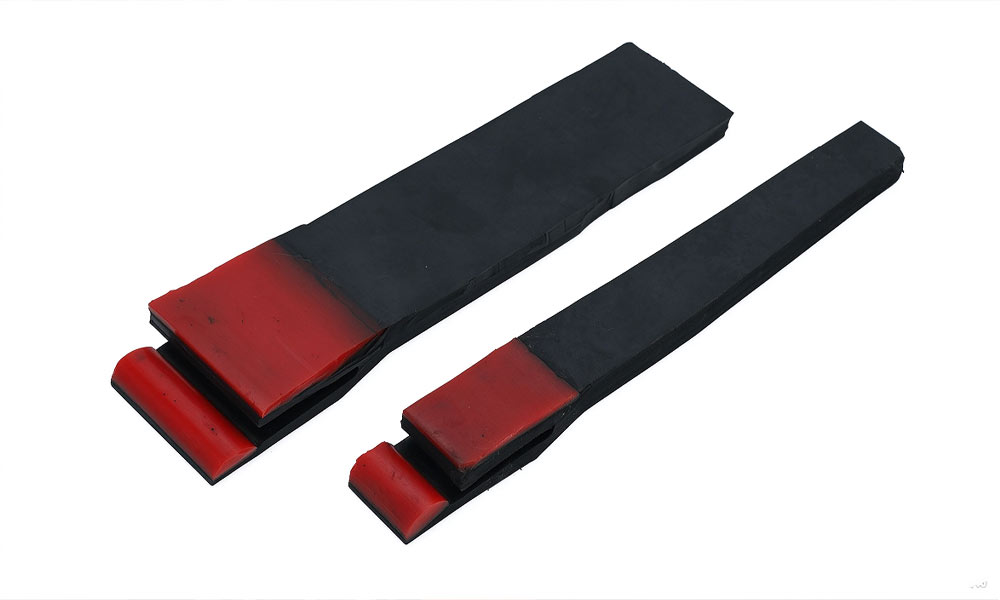
How to Extend Service Life Between Replacements
Wear-resistant steel can be selected for the clamping strip; it offers greater hardness and superior corrosion resistance compared to standard low-carbon steel. Applying anti-seize compound to the bolt threads and contact surfaces can also help mitigate metal adhesion and corrosion to some extent. It is essential to follow the manufacturer's installation instructions when installing the strip; overtightening can cause deformation, while undertightening may lead to displacement.
Don’t let screen clamping strips become the weak link. If your screens are shaking loose every few months, share your operating conditions, we’ll help you pick the right material and set a replacement cycle that matches your wear rate.