Rubber Screen Panels for Limestone Final Crushing: Noise Reduction & Impact Resistance Practical Guide
For limestone processing operations stuck with frequent steel screen breakage, deafening workshop noise and unplanned downtime, switching to purpose-built rubber screen panels at the final crushing stage can cut on-site noise by 15-20 decibels and extend screen service life 4 to 8 times on average, while maintaining consistent screening accuracy for your required final aggregate gradation. Many mid-sized quarries that make this upgrade report a 25% drop in worker fatigue and fewer OSHA noise violation fines within their first quarter of use.
Why Impact Zone Under Tertiary Discharge Behaves Like a Different Machine
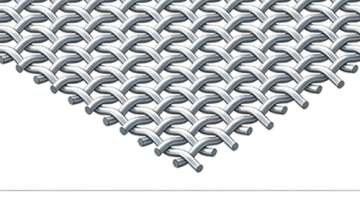
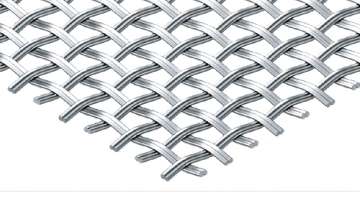
Anyone who has inspected a failed deck knows that wear is rarely uniform, and in a final crushing circuit the damage is concentrated precisely where the material arrives, which is why treating the whole panel as one duty specification is the first mistake worth unlearning. The physics are unglamorous but decisive: impact energy scales with the square of velocity, so a modest reduction in drop height is worth more to panel life than a substantial upgrade in rubber hardness, and because a rubber screen plate is elastomeric rather than rigid it handles that energy by deforming locally and returning it as rebound instead of transmitting it into the screen frame. Steel wire cloth has almost no capacity to do this — it work-hardens under repeated impact, the crimped crowns flatten, individual wires snap, and the holes elongate long before the nominal wire gauge has worn through. Polyurethane sits somewhere in between, harder and more abrasion-resistant but less forgiving at very high impact angles, while rubber in the 60 to 75 Shore A band absorbs the strike and springs back, so the particle is cushioned and partially returned to the bed rather than hammered through the aperture. There is a second-order benefit that maintenance crews notice before anyone reads a report: the same compliance that absorbs impact also resists the pegging that plagues near-size limestone, because the aperture flexes under load and releases a wedged particle that a rigid panel would hold until the shift ended.
What Noise Reduction You Can Expect and Where It Comes From
The acoustic improvement is real, but it is worth being precise about the mechanism, because operators who expect a silencer are disappointed and operators who understand it are usually delighted. In a screen house fed from a tertiary crusher, measured levels at the deck commonly sit somewhere between 100 and 105 dB(A) with wire cloth, and swapping to a rubber screen plate typically brings that into the 88 to 95 dB(A) range — a reduction on the order of ten to fifteen decibels, which matters far more than it sounds, because exposure limits are logarithmic and every three decibels represent a halving of allowable exposure time before hearing protection becomes mandatory. The noise does not vanish simply because rubber is quiet; it disappears because the dominant source has been removed. The ringing and clatter in a screen house are largely impact noise and structural resonance generated at the deck, where rock strikes a taut steel surface that is coupled directly into the screen body, the side plates, and the building steelwork, all of which act as radiators. Once the deck stops being a drum, most of the remaining noise comes from chutes, crusher discharge, and the drive, which no screening media can fix. There is a durability dividend hidden in the same mechanism: the vibration that a rubber screen plate keeps out of the frame is vibration that no longer cracks side plates, loosens fasteners, or shortens bearing life, and plants that convert often find their structural repair budget falling alongside their noise dosimetry. The honest caveats are that damping falls off as the rubber warms above roughly 60°C, that very coarse apertures leave less rubber mass to absorb anything, and that a deck carrying dry, dusty fines will still generate dust-handling noise that has nothing to do with the media.
Core Performance Advantages
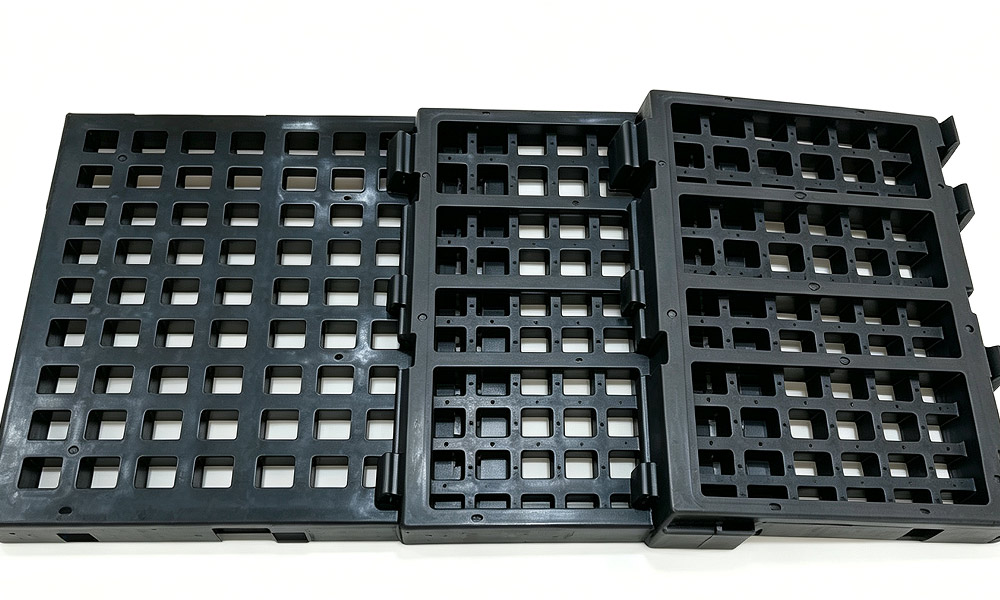
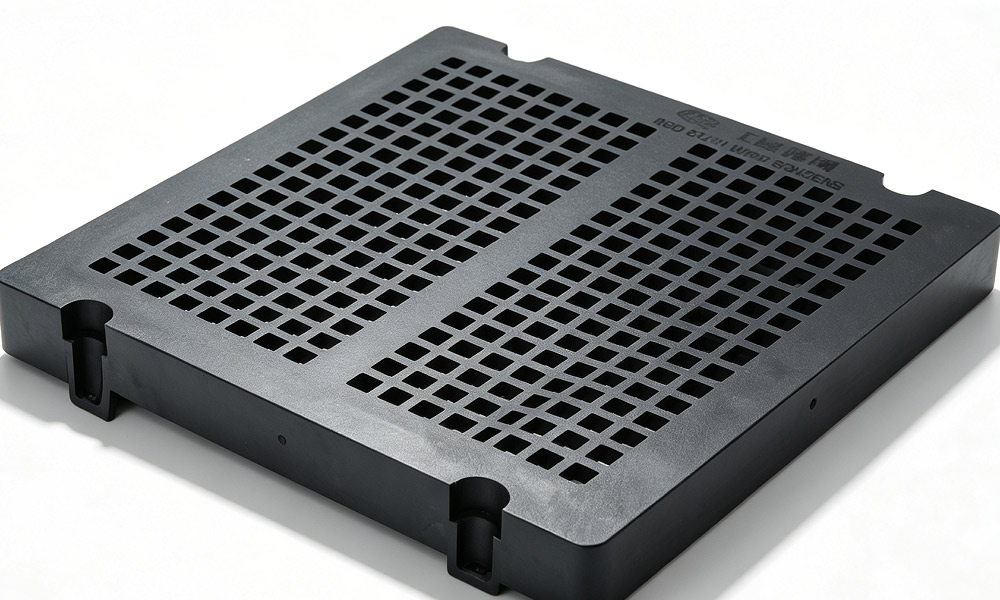
After limestone is crushed in the fine-crushing chamber, the resulting fragments have sharp edges and impact the screen surface at high speeds; with standard metal screens, such impact forces can easily cause the mesh to dent or even puncture within a very short time. In contrast, the high elasticity of rubber screen panels allows them to evenly distribute impact forces across the entire screen surface and absorb the majority of the kinetic energy from the falling rocks, thereby significantly reducing emergency shutdowns caused by screen punctures. Furthermore, by extending the contact time between the rocks and the screen surface and enhancing system damping, rubber screen panels markedly lower operating noise, greatly improving the working environment for personnel.
Extra Practical Operational Perks
These rubber screen panels weigh only 40-50% of equivalent steel screens, cutting static load on your vibrating screen bearings by nearly a third to extend bearing lifespan and reduce overall equipment power consumption. Their slightly flexible tapered apertures also deliver natural self-cleaning performance, preventing sticky damp limestone dust from clogging holes and keeping effective open area above 90% even during rainy summer processing runs.
If you are still dealing with constant screen breakage and unmanageable noise at your final crushing stage, our limestone processing specialists can run a free quick assessment of your feed specs and site conditions to match you to a customized rubber screen panel setup. Reach out today for a no-obligation quote to cut your screen replacement costs and hit your environmental compliance targets this month.