Search Red Star

What are you looking for?

Search Results

Search: specifications

80 results found in 0.068s
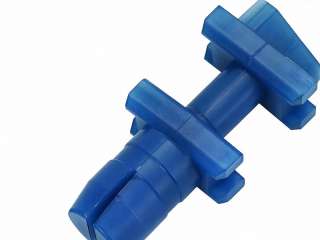
Force Testing and Installation Tips for Polyurethane Pins
Screening Knowledge

Force Testing and Installation Tips for Polyurethane Pins

Proper insertion and withdrawal force testing and installation tips for polyurethane pins, These small, actionable adjustments help processing plants extend screen panel service life, and unlock consistent long-term operational efficiency gains
The Lifecycle Value Proposition: Why Polyurethane Fine Screens Beat Stainless Steel
Screening Knowledge

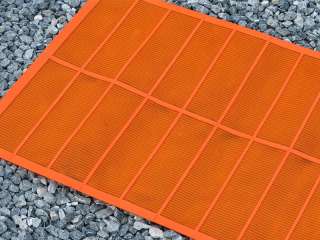
The Lifecycle Value Proposition: Why Polyurethane Fine Screens Beat Stainless Steel

When you analyze the full lifecycle from purchase to disposal, polyurethane fine screens consistently deliver a far superior economic outcome It’s not just about the screen, it’s about what the screen allows your plant to do

Quality Standard Requirements and Dewatering Performance of Polyurethane Flip-Flow Screen Panels
Screening Knowledge

Quality Standard Requirements and Dewatering Performance of Polyurethane Flip-Flow Screen Panels

​If you’ve ever tried to screen wet, sticky fines at high tonnage, you know the pain of blinding screens and soggy product That’s where polyurethane flip-flow screen panels come in—but not all panels are created equal
Precision Pays Off: Selecting Polyurethane Screens for Fine Iron and Gold Ores
Screening Knowledge

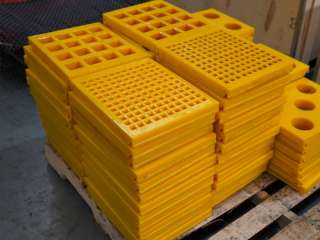
Precision Pays Off: Selecting Polyurethane Screens for Fine Iron and Gold Ores

Upgrading to polyurethane screens for fine mineral grading is a strategic move It solves the blinding issues associated with fine materials, guarantees precise classification, and ultimately boosts the efficiency of your operation
Breaking the Bottleneck: How Polyurethane Fine Screens Revolutionize Precision Screening
Screening Knowledge

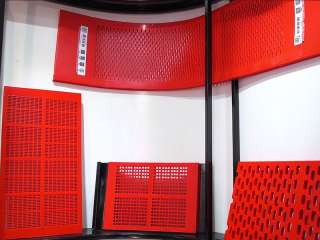
Breaking the Bottleneck: How Polyurethane Fine Screens Revolutionize Precision Screening

It blunts easily, stretches, and loses its accuracy This is where the polyurethane fine screen steps in It’s not just a replacement
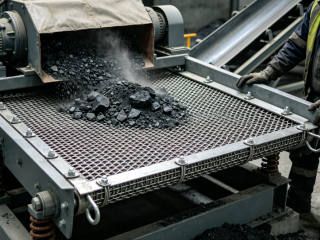
Built to Last: How Lock-Crimp Weaving Prevents Wire Shift and Ensures Long-Term Screening Accuracy
Screening Knowledge

Built to Last: How Lock-Crimp Weaving Prevents Wire Shift and Ensures Long-Term Screening Accuracy

Choosing a lock-crimp woven wire screen is a strategic decision for any operation that values precision By mechanically locking the wires in place, this design prevents the dreaded wire shift that plagues standard meshes
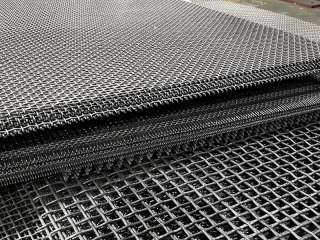
The Vital Role of Lock-Crimp Woven Wire Screens in Precision Grading and Aperture Stability
Screening Knowledge

The Vital Role of Lock-Crimp Woven Wire Screens in Precision Grading and Aperture Stability

The advent of lock-crimp woven wire screens has resolved the issue of aperture deformation, thereby enhancing overall screening efficiency
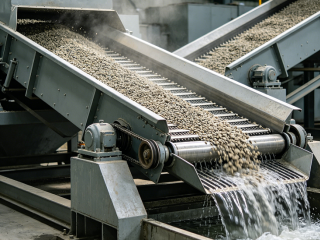
Outstanding Performance of Linear Vibrating Screens in Classification and Dewatering
Screening Knowledge

Outstanding Performance of Linear Vibrating Screens in Classification and Dewatering

Standard vibrating screens often struggle with classification and dewatering recovery tasks,The linear excitation force design of linear vibrating screens breaks this efficiency bottleneck
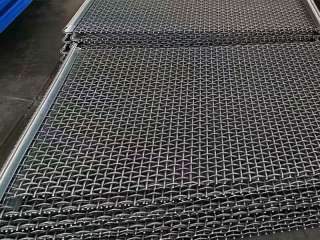
Interpretation of International Quality and Pore Size Inspection Standards for High-Strength Woven Metal Wire Mesh
Screening Knowledge

Interpretation of International Quality and Pore Size Inspection Standards for High-Strength Woven Metal Wire Mesh

High-strength wire mesh lives in a space where a few microns of aperture drift or one soft wire in the weave can quietly rewrite a plant’s rejection rate, so international standards are not paperwork
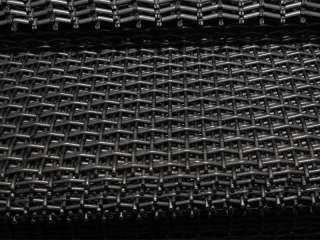
High-Tensile Wire Mesh: A Solid Foundation for Heavy Mining and Primary ScreeningHigh-Tensile Wire Mesh: A Solid Foundation for Heavy Mining and Primary Screening
Screening Knowledge

High-Tensile Wire Mesh: A Solid Foundation for Heavy Mining and Primary ScreeningHigh-Tensile Wire Mesh: A Solid Foundation for Heavy Mining and Primary Screening

Cheap steel wire mesh is prone to bending and mesh stretching, leading to a rapid decline in primary screening efficiency High-tensile steel wire braided mesh was developed precisely for this purpose; it can maintain its shape under heavy pressure