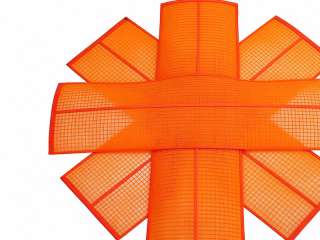
 specifications for Polyurethane Fine Screens Used in High-Frequency Screening">
Getting the installation right for a polyurethane fine screen in a high-frequency vibrating system is not just about following steps—it’s the difference between a screen that runs flawlessly for months
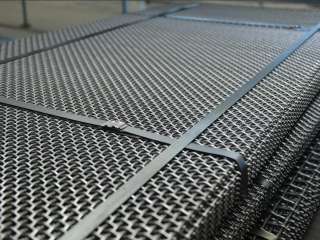 specifications according to needs">
The specifications of manganese steel anti-blocking screens include screen hole size, wire diameter, screen size, plate thickness and hole type The screen hole size can be customized between 0 5mm and 100mm
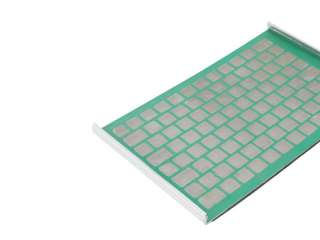
Standard Composite Vibrating Screen Mesh adopts multi-layer stainless steel mesh compounded with integrated vulcanized rubber frame It follows API RP 13C standard, featuring stable aperture, reliable solid-liquid separation performance and cost-effective Widely used for oilfield drilling solids control, mining, aggregate and coal washing grading & dewatering
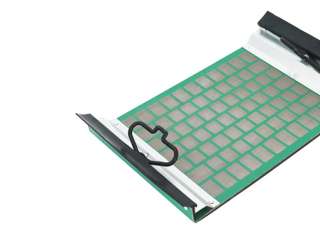
Flat Composite Vibrating Screen Mesh adopts flat multi-layer stainless steel woven mesh compounded with vulcanized rubber frame It features stable aperture, good solid-liquid separation performance and convenient installation Widely used for solids control in oil drilling, as well as grading, dewatering and desliming in mining, aggregate and coal washing industries
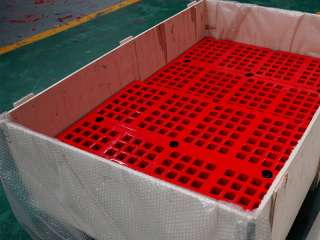
The right polyurethane screen panel cuts that downtime drastically, Picking the wrong PU aperture design, can leave you wasting money on a product that still can’t handle the unique stickiness and abrasive properties of laterite ore
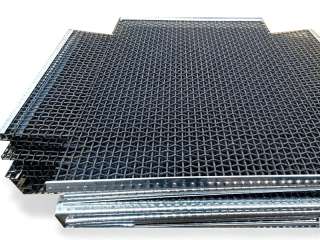
For mine operations processing acidic leach ore, high-sulfur coal or salt-containing mineral deposits, premature failure of metal woven screens from combined abrasive wear and chemical corrosion can cut production uptime by 40% or more
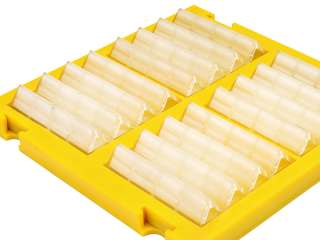
Polyurethane dewatering screen panels have become essential for mine tailings dry stacking They’re built to handle the heavy, abrasive flow of tailings you find in mining and they do that job better than traditional metal screens
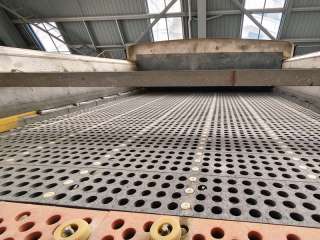
Carbon steel reinforced rubber screen meshes have become the go-to upgrade for high-wear screening zones in quarries, mines and recycling plants
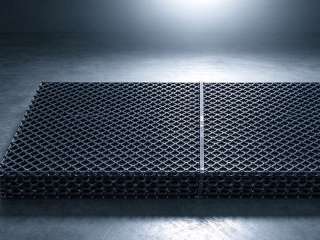
When using woven metal screens for material processing, premature failure is often attributed to the quality of screen material itself However, wear on support bars and improper installation methods are also significant contributors to this issue
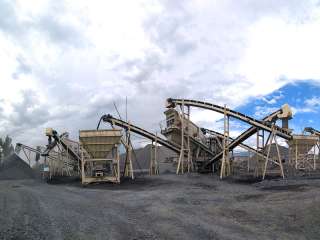
Pressure-welded steel gratings are reliable industrial components, but their performance depends on proper manufacturing processes, precise load calculations, and strict adherence to relevant standards
