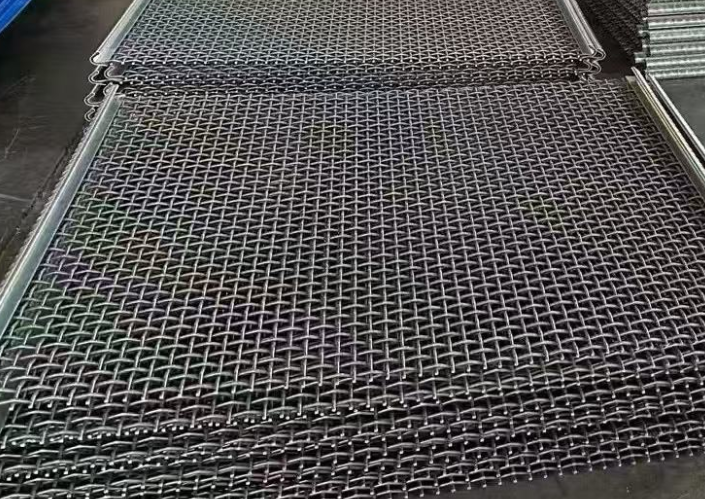
High-strength woven metal wire mesh may seem insignificant, but in fields such as petrochemicals, mining screening, and aerospace precision filtration, pore size deviations or insufficient strength can directly lead to system failures. The international quality standard is its "identity card". Without it, what you buy might just be scrap iron.
Three Major Testing Standards
Pore size tolerance is the key to the key. According to ISO 9044 or ASTM E2016 standards, the pore size deviation of high-strength woven metal wire mesh is generally controlled within ±2% to ±5%. The higher the mesh count, the stricter the requirements - for wire meshes above 100 mesh, the deviation must be smaller; otherwise, filtration accuracy cannot be discussed.
Thread diameter uniformity is often overlooked. Uneven thread diameter can cause mesh deformation and be prone to breakage under force. The standard requires that the thread diameter variation on the same mesh must not exceed 0.01 millimeters.
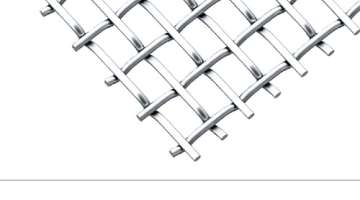
Weaving structure stability is judged by the tightness of the warp and weft lines interweaving. The common practice internationally is to observe the intersection points with a microscope and then test the overall tensile strength with a tensile machine.
Common Traps and Identification Methods
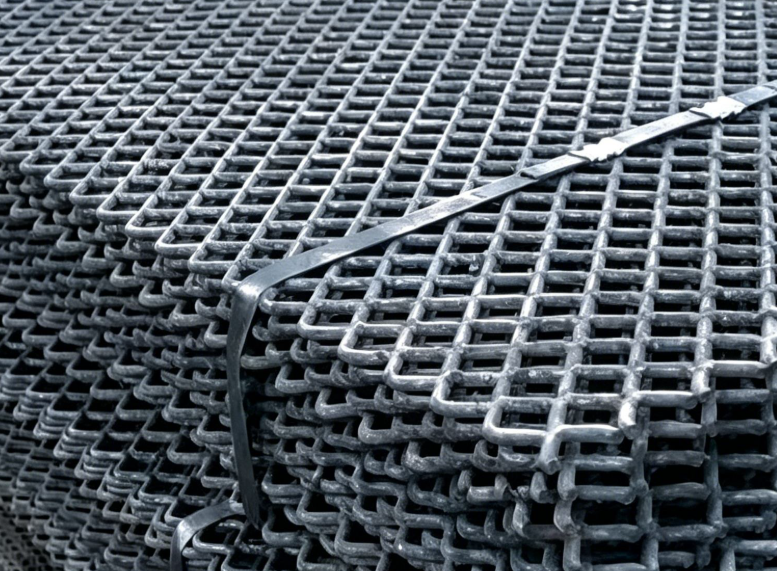
Many suppliers use ordinary nets to pass off as high-strength woven metal wire meshes. The identification is simple: measure the pore size at several points with a caliper and then pull it with your hand. High-strength woven metal wire meshes have significantly better elasticity and will not deform when pulled.
The inspection report must be certified by a third party, such as SGS or TÜV. Don't believe the data reported by the manufacturer. The pore size inspection is recommended to use the projection method or scanning electron microscopy method, which provides more reliable data.
Standard Differences in Different Scenarios
Food filtration should follow FDA standards, and the surface needs to be treated for passivation. In mining screening, the focus is on wear resistance and impact strength, and slightly larger pore sizes can be accepted, but the thread diameter must not be compromised. In the aerospace field, the AMS standard must be followed, with each parameter precise to two decimal places.
In conclusion, when choosing high-strength woven metal wire meshes, don't just look at the price. Master the international quality standards, and check each item with the supplier to truly purchase durable products and avoid later rework and hassle.