Quality Standard Requirements and Dewatering Performance of Polyurethane Flip-Flow Screen Panels
If you’ve ever tried to screen wet, sticky fines at high tonnage, you know the pain of blinding screens and soggy product. That’s where polyurethane flip-flow screen panels come in—but not all panels are created equal. The difference between a panel that transforms your moisture problem and one that fails in weeks usually comes down to two things: meeting strict quality standards and delivering real dewatering performance under pressure.
Quality Standards: What Actually Matters
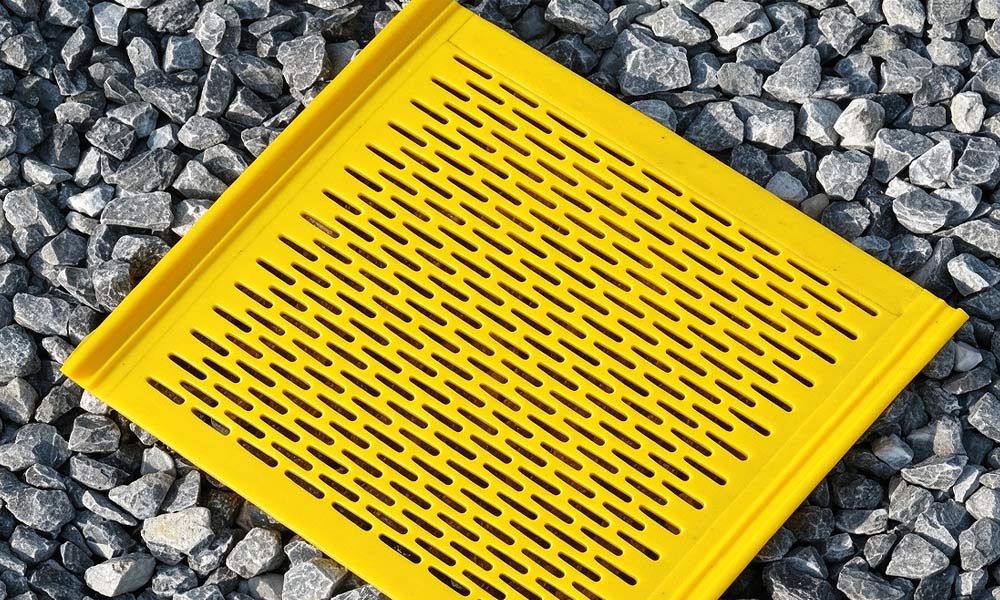
When purchasing polyurethane flip-flow screen panels, do not be misled by vague marketing claims of "high quality"; instead, focus on quantifiable technical specifications. Reputable manufacturers certify their panels based on key parameters: a Shore A hardness typically between 85 and 92 to achieve an optimal balance of flexibility and wear resistance, a tensile strength of 30 MPa, and an elongation at break exceeding 400%. Crucially, the consistency of aperture dimensions must be verified, with tolerances controlled within 0.05 mm. This is because elastic screening equipment relies on high-intensity acceleration to function; uneven polyurethane vulcanization or inconsistent aperture sizes can disrupt the synchronized elastic "flipping" action, thereby compromising material stratification and accelerating panel wear. Furthermore, the screen panels should comply with ISO 9001 manufacturing standards and undergo batch testing for wear resistance.
Optimized Structural Design for Superior Dewatering Efficiency
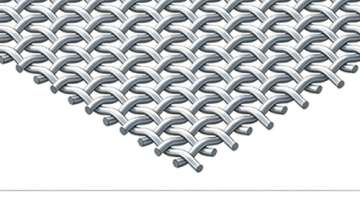
The second key performance advantage comes from the specialized structural design tailored specifically for flip-flow screening scenarios, which balances high open area and anti-clogging performance perfectly to maximize fine slurry dewatering efficiency. Most high-quality models adopt the precision molded inverted tapered aperture design, where the slurry inlet opening is 15% to 20% larger than the outlet opening, creating a natural flow guiding effect that pushes free water through the screen smoothly while preventing fine solid particles from getting wedged and stuck in the mesh. The unique alternating stretching and relaxing motion of the flip-flow system makes the elastic polyurethane screen surface produce a continuous micro-bounce effect that shakes off sticky fine particles that would otherwise adhere to the mesh edges and cause clogging, maintaining more than 90% of the total open area even after thousands of hours of continuous operation processing high-moisture fine tailings. Field test data from multiple mineral processing plants shows that a properly calibrated Polyurethane Flip-Flow Screen can reduce the final moisture content of dewatered fine tailings by 8% to 12% compared to ordinary metal woven screens, drastically improving the overall dry stacking efficiency of tailings ponds.
Fatigue Resistance Performance for Extended Continuous Operation Life
The third critical operational advantage is the excellent dynamic fatigue resistance that comes from the optimized polyurethane formulation and embedded high-tensile steel wire reinforcement framework, which is specifically engineered to withstand the millions of repeated alternating stretching cycles that are unique to flip-flow screening systems. Unlike ordinary rigid metal screens that suffer rapid fatigue fracture under this continuous alternating stress, the high-elasticity polyurethane matrix can absorb most of the dynamic stress generated during each stretching and relaxing cycle, preventing the initiation and expansion of tiny fatigue cracks that would otherwise lead to sudden screen tearing. Field operation data shows that qualified standard-compliant products can maintain stable structural integrity for 1200 to 1500 hours of continuous operation, 3 to 5 times longer than ordinary metal flip-flow screens of the same aperture size, making this Polyurethane Flip-Flow Screen drastically reduce screen replacement frequency and cut unplanned downtime for maintenance teams.
Dewatering Performance: Physics Over Promises
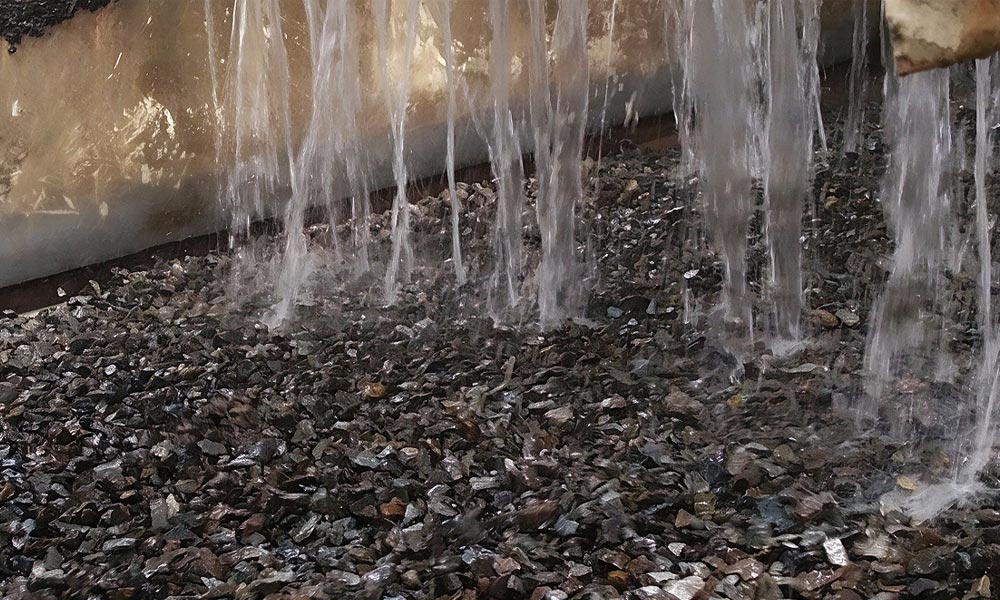
The magic of these panels lies in their high-frequency flexing. Unlike rigid screens, polyurethane flip-flow panels are tensioned and relaxed hundreds of times per minute. This violent motion does two things brilliantly: it breaks surface tension in slurries, forcing water through the slots, and it prevents blinding by snapping fine particles out of the apertures. For dewatering, this means you can often hit target moisture levels 2–5% lower than with static polyurethane or wire mesh. In iron ore tailings or coal refuse applications, we’ve seen discharge moisture drop below 18% consistently. But here’s the nuance: if the polyurethane compound is too soft, it won’t snap cleanly; too hard, and it won’t flex enough to self-clean. Optimal dewatering requires matching the polymer’s resilience to your feed density and particle size.
Installation Integrity: The Silent Performance Killer
Even premium panels fail if installed poorly. Flip-flow systems demand precise tensioning—too loose, and the panels clatter and tear; too tight, and they fatigue prematurely. Quality panels include molded-in tension hooks or adapters designed for your specific deck. Inspect these interfaces regularly; a cracked hook transfers stress to the polyurethane, causing splits that ruin dewatering efficiency.
In summary, specifying polyurethane flip-flow screen panels isn’t just about buying rubber—it’s about enforcing documented quality standards and understanding how material science drives dewatering. When you pair certified, well-engineered panels with correct installation, you turn a high-maintenance headache into a dry-stack solution that actually stays dry. For any operation battling wet fines, it’s the smartest upgrade you’re not paying enough attention to.