The Lifecycle Value Proposition: Why Polyurethane Fine Screens Beat Stainless Steel
Let’s talk about the real cost of screening. Too many operations look at the price tag on the invoice and stop there. But if you’re still buying stainless steel screens because they seem "cheaper" upfront, you’re likely leaving a lot of money on the table. When you analyze the full lifecycle—from purchase to disposal—polyurethane fine screens consistently deliver a far superior economic outcome. It’s not just about the screen; it’s about what the screen allows your plant to do.
Upfront Investment vs Replacement Frequency
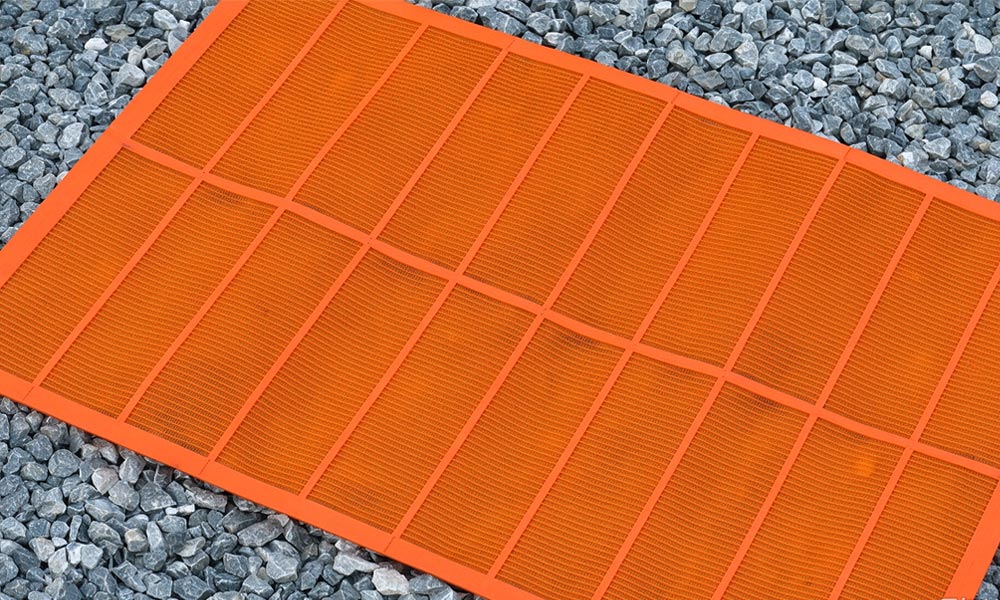
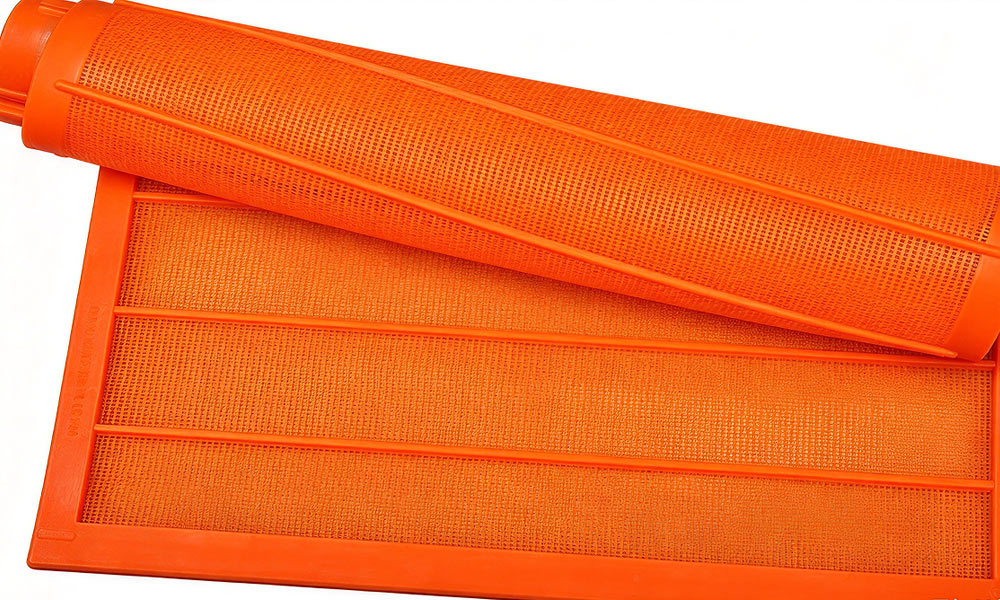
Yes, a polyurethane fine screen costs more initially. But think about the lifespan. Stainless steel is rigid and unforgiving; it wears out, stretches, and tears relatively quickly under high-frequency vibration and abrasive slurries. You’ll find yourself replacing those steel panels every few months. Polyurethane, on the other hand, is incredibly abrasion-resistant. A single polyurethane panel can last three to four times longer than its steel counterpart. When you factor in the cost of the screen plus the labor to install it, the polyurethane option wins on pure longevity alone.
The Hidden Cost of Downtime
Here’s where the economics really shift. Every time you have to stop the plant to change a screen, you’re losing money. Downtime is the silent killer of profit margins. Because polyurethane fine screens last longer, you schedule fewer change-outs. Less maintenance means more runtime. In a high-throughput operation, avoiding even one or two unplanned shutdowns a year can pay for the entire screen deck. It’s about maximizing operational hours, not minimizing the purchase price.
Abrasion Resistance Extends Service Life Than Stainless Steel
The first core lifecycle advantage that immediately sets this specialized screen apart is its industry-leading abrasion performance, which leverages the unique viscoelastic molecular structure of high-performance polyurethane to absorb sharp particle impact and scouring far more effectively than rigid stainless steel. Unlike stainless steel fine screens that suffer rapid localized wear at the feed end, where sharp high-hardness mineral particles continuously abrade the thin metal wires until they snap completely, the optimized polyurethane formulation with added silicon carbide abrasion modifiers delivers a measured abrasion loss as low as 0.03 to 0.06cm³ per 1.61km of standard test, making it 3 to 5 times more wear-resistant than 304 stainless steel under identical operating conditions. Field data from multiple iron ore processing plants shows that a properly installed Polyurethane Fine Screen can maintain full structural integrity for 3 to 6 months of continuous 24/7 operation, compared to just 1 to 2 months for a standard stainless steel fine screen, cutting your total screen replacement frequency by more than 60% right out of the gate.
Self-Cleaning Elastic Structure Eliminates Clogging and Grading Accuracy
The second critical operational benefit that most teams overlook is the unique secondary micro-vibration self-cleaning effect generated by the elastic polyurethane material, which solves the most persistent pain point of fine screening that plagues rigid stainless steel screens. Unlike stainless steel fine screens where smooth rigid apertures easily get wedged full of near-size fine particles, creating a clogged surface that can lose 40% to 50% of its effective open area in just a few hours of processing high-moisture sticky tailings or fine coal, the flexible aperture walls of a high-quality Polyurethane Fine Screen deform slightly under high-frequency vibration, automatically ejecting stuck particles before they can form a permanent blockage. This inherent self-cleaning performance reduces total screen clogging rates by roughly 60% compared to stainless steel alternatives, keeping classification accuracy consistently above 95% across its entire service life, eliminating the need for frequent 2 to 3 hour manual cleaning shutdowns that would otherwise eat into your total daily production output.
Total Lifecycle Cost Cuts Annual Operational Expenses by 40%
The third high-impact value proposition that makes this screen a far smarter long-term investment is its drastically lower total cost of ownership, even though its upfront purchase price is roughly twice that of a comparable stainless steel fine screen. When you factor in the 3 to 5 times longer service life, the 60% reduction in unplanned downtime caused by screen failure or clogging, the 10 to 15 decibel noise reduction that improves on-site worker safety and compliance, and the lightweight modular design that cuts screen replacement labor time by 70% compared to heavy stainless steel panels, the total annual operational cost for a Polyurethane Fine Screen ends up being more than 40% lower than relying entirely on stainless steel alternatives. Many processing plants that have made the full switch report that they save tens of thousands of dollars every single year on spare part inventory, maintenance labor and lost production, while also delivering far more consistent final fine product quality that meets strict industrial grade specifications without extra reprocessing steps.
Performance-Driven Profitability
The economic benefits don’t stop at durability. Polyurethane fine screens maintain their aperture integrity far better than steel. They resist blinding, which keeps your throughput consistent and your product grade on spec. Stainless steel stretches, leading to "aperture creep" where oversized material slips through, ruining your product quality and potentially costing you customer penalties. Polyurethane protects your revenue by ensuring you ship exactly what you promised.
In conclusion, judging a screen by its sticker price is a rookie mistake. From a full lifecycle perspective, the extended service life, reduced downtime, and superior screening accuracy of polyurethane fine screens deliver a total cost of ownership that stainless steel screen simply cannot touch.