Precision Pays Off: Selecting Polyurethane Screens for Fine Iron and Gold Ores
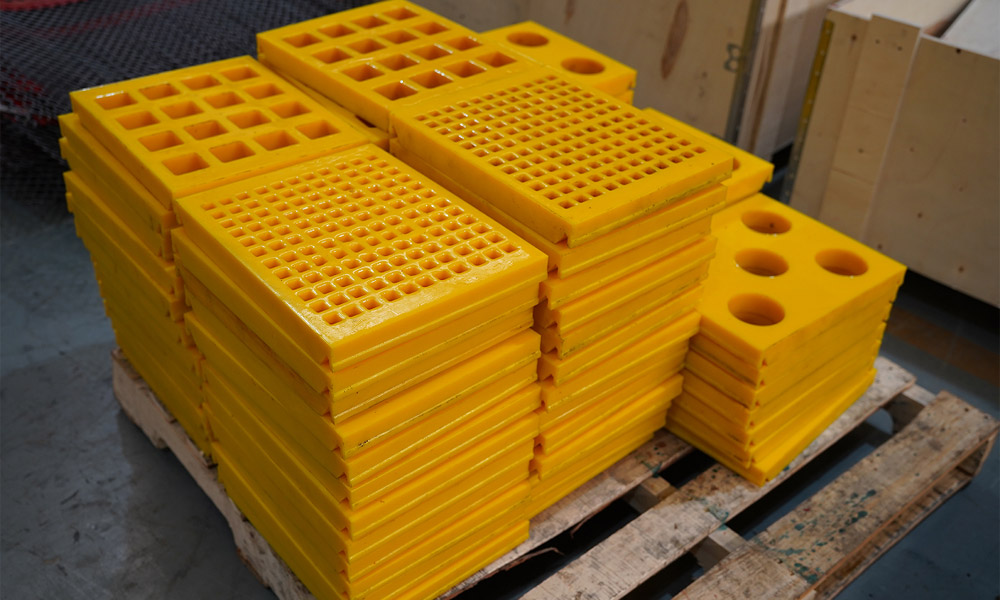
In the field of mineral processing, the effectiveness and quality of fine-particle material handling determine a plant's profitability. When processing fine minerals such as iron ore or gold ore, traditional metal screens often fail to deliver optimal results; they fall short of capacity standards and cannot achieve precise separation of valuable particles from waste material. In contrast, a suitable polyurethane screen enables precise screening of fine-grade minerals, transforming previously inefficient processes into a competitive advantage.
Overcoming the "Wet and Sticky" Challenge
Let’s be honest: fine iron ore and gold particles are notorious for being wet, sticky, and difficult to screen. Standard wire mesh screens frequently suffer from "blinding," where moist particles clog the openings. This not only chokes your throughput but also forces oversized material into your concentrate. Polyurethane screens offer a solution with their inherent flexibility. The elastic material vibrates with a "snap" that dislodges near-size particles, keeping the apertures clear. For a plant manager, this means consistent flow rates and less time wasted on manual cleaning.
Accuracy Matters: Protecting Your Grade
In gold and iron ore processing, precision is everything. If your screen openings wear and enlarge—a common problem with steel mesh—you lose grade control. Polyurethane is highly resistant to abrasion and maintains its exact aperture size over a long service life. This stability ensures that your classification is accurate, meaning your grinding circuit isn't wasting energy on material that is already fine enough, and your final product meets the strict specifications demanded by the market.
Precision Aperture Design for Strict Classification Accuracy of High-Value Fine Minerals
The second key precision performance advantage comes from the precision molded inverted tapered aperture design, where the inlet opening is 15% to 20% larger than the outlet opening, creating a natural flow guiding effect that pushes qualified fine iron or gold ore particles smoothly through the screen while preventing oversize gangue particles from slipping into the final high-value concentrate product. Unlike traditional metal woven fine screens that have uneven, inconsistent aperture sizes with tolerance up to ±15%, the precision molded polyurethane aperture tolerance can be strictly controlled within ±3%, ensuring zero oversize gangue contamination that would otherwise force you to reprocess the entire concentrate batch and waste huge amounts of downstream processing capacity. The unique alternating stretching and relaxing motion of the flip-flow system makes the elastic polyurethane screen surface produce a continuous micro-bounce effect that shakes off sticky fine clay particles that would otherwise adhere to the mesh edges and cause clogging, maintaining more than 90% of the total open area even after thousands of hours of continuous operation, making this Polyurethane Flip-Flow Screen directly boost fine valuable mineral recovery rate by 4% to 7% for most iron and gold ore processing circuits.
Skeleton Reinforcement Calibration for Extended Fatigue Life Under Alternating Motion
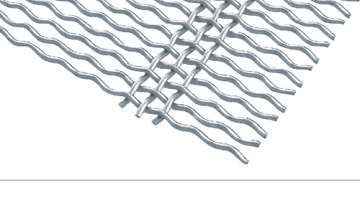
The third critical precision selection optimization is calibrating the internal high-tensile steel wire reinforcement framework to perfectly match the specific stroke and vibration frequency parameters of your existing flip-flow screening equipment, rather than using a generic under-reinforced screen panel that suffers rapid fatigue fracture under long-term alternating stress. The pre-crimped interlocking weave structure of the internal metal reinforcement locks every individual steel wire firmly in place, eliminating local stress concentration points that often cause sudden tearing under millions of repeated stretching cycles, and the high-elasticity polyurethane matrix absorbs most of the dynamic stress generated during each stretching and relaxing cycle, preventing the initiation and expansion of tiny fatigue cracks. Field operation data from multiple large-scale gold and iron ore processing plants shows that this properly calibrated product can maintain stable structural integrity for 1200 to 1500 hours of continuous operation, 3 to 5 times longer than ordinary metal flip-flow screens of the same aperture size, making this Polyurethane Flip-Flow Screen drastically reduce screen replacement frequency and cut unplanned downtime for maintenance teams.
Screen Types Suitable for Different Types of Ore
Not all polyurethane screens are created equal. For fine iron ore, you might need a screen with high open area to maximize drainage, while gold recovery might require specific slot sizes to capture fine flakes. The key is selecting a screen with the correct durometer and profile to match your material's characteristics. A properly selected polyurethane screen doesn't just last longer; it fundamentally improves your recovery rates.
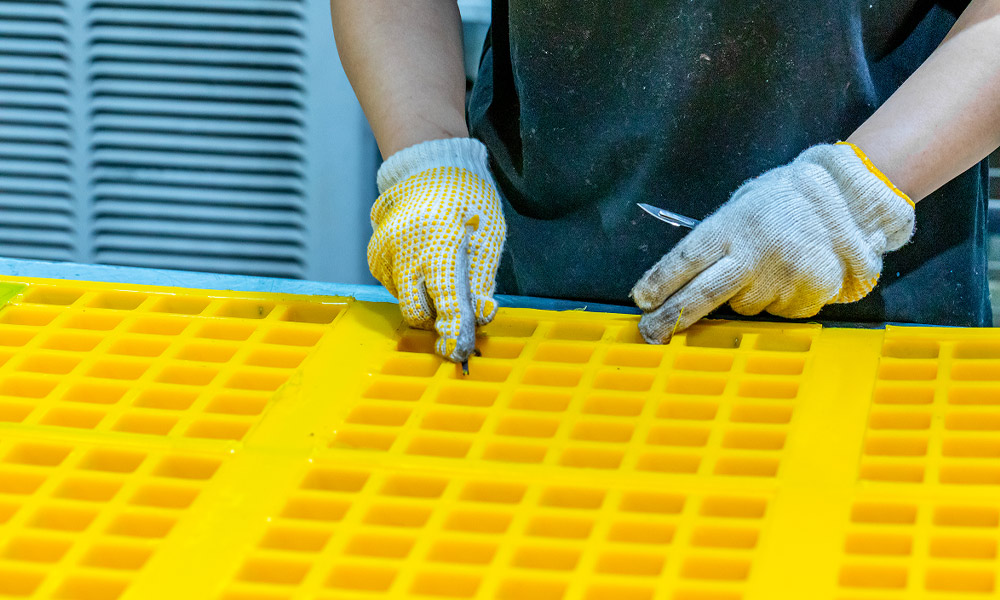
In summary, upgrading to polyurethane screens for fine mineral grading is a strategic move for any modern concentrator. It solves the blinding issues associated with fine materials, guarantees precise classification, and ultimately boosts the efficiency of your entire operation. Don't let outdated screening hold back your recovery rates; invest in the technology that works as hard as you do.