Force Testing and Installation Tips for Polyurethane Pins
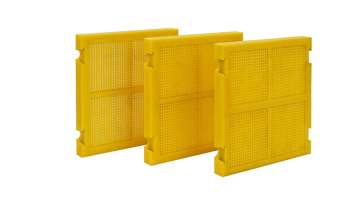
Every mineral processing plant maintenance team has run into this frustrating issue: a loose polyurethane pin on modular screen panels slips out mid-operation, sending the entire screen panel crashing down and forcing an unplanned shutdown that wastes hours of production time. Most teams overlook that proper insertion and withdrawal force testing, paired with simple installation best practices, can eliminate 90% of these preventable failures entirely.
What Force Testing Actually Measures on Polyurethane Pins
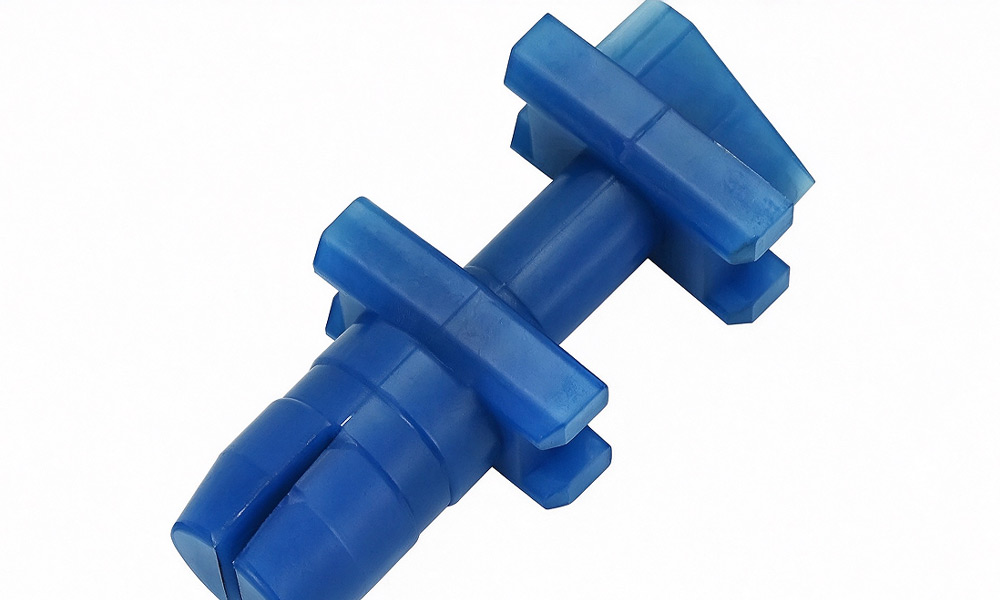
The test that matters is a pull-out or retention test, and it is simpler than most people expect: seat the pin in the sleeve or panel boss exactly as it would be installed, grip the head in a fixture, and pull it out along its axis at a controlled speed while recording force and displacement. What you get is a curve, and the useful part is not just the peak. The initial ramp tells you how much interference the shank is generating against the bore, the peak is the static holding force, and the shape of the curve after the peak tells you how the pin behaves once it starts to move — a pin that gives a high peak and then drops off a cliff will pop out suddenly in service, while one with a long, high plateau will resist progressive withdrawal and give you visible warning as it starts to back out. Shear testing matters too, because on a deck with lateral movement the pin is not only being pulled out, it is being worked sideways, and compression or set testing — holding the pin at a fixed deflection and measuring how much force it retains over hours — speaks directly to creep, which is the mechanism behind most slow walk-outs.
Why Polyurethane Pins Walk Out Instead of Breaking
Once you have watched enough failed decks, the pattern becomes predictable. A pin is subjected to a small cyclic axial load every vibration cycle, and although each individual tug is a tiny fraction of the pull-out force, elastomer is not a rigid body — it stores and returns energy with a phase lag, it creeps under sustained load, and it relaxes, meaning the interference fit that generated your holding force on day one slowly gives up some of it by day thirty. Combine that relaxation with abrasive wear at the shank-to-bore interface, where fine grit works into the contact and polishes away interference, and with the fact that the bore itself wears oval on a machine with any lateral component, and you have a pin that is progressively less retained while still looking tight to a casual glance. Heat accelerates all of it, since hysteretic heating softens the compound and further reduces holding force, and any chemical attack — oil, solvent, or hydrolysis in hot water — does the same from the outside in. Polyurethane pins that walk out almost always show this history: polished shank, slightly oval bore, and a head that has been hammered bright by contact with the panel once it began moving.
Test Speed, Temperature and Acceptance Criteria
Force test data is only meaningful if the test conditions resemble the duty, and this is where specifications often go quietly wrong. Crosshead speed matters because polyurethane is strain-rate sensitive: pull slowly and you record a lower force than you would at the rapid yank that occurs when a panel slams under impact, so a figure quoted without a test speed is not comparable to anything. Temperature matters more, since a pin tested at twenty degrees will hold noticeably more than the same pin at sixty, and decks in the sun or in hot process water run well above ambient.
Standard Insertion and Withdrawal Force Testing Workflow
Reliable insertion and withdrawal force testing for polyurethane pins does not require fancy lab equipment. Use a basic digital push-pull gauge to run spot checks on 5% of new pins from each batch. The target insertion force should sit between 80N and 120N, while the withdrawal force needs to stay above 60N. If the force is too low, the pin will slip out under continuous vibration; if it is too high, maintenance teams will struggle to remove it during screen panel swaps. Australian coal mine teams have shared that this 10-minute batch check cuts pin-related failures by 75% right out of the gate.
Field Installation Tips to Avoid Common Mistakes
Many teams skip small critical steps when fitting these polyurethane pins. First, wipe off all fine ore dust from the pin groove on the modular screen panel before insertion, even a thin layer of dust can throw off the friction fit. Press the pin in by hand until you hear a clear "click", then give it a light tug to confirm it is locked in place. Never use a hammer to drive the pin all the way in, this will crack the surrounding polyurethane frame and ruin the screen panel. North American aggregate plant maintenance logs show that following these simple steps reduces screen panel replacement time by 30% every shift.
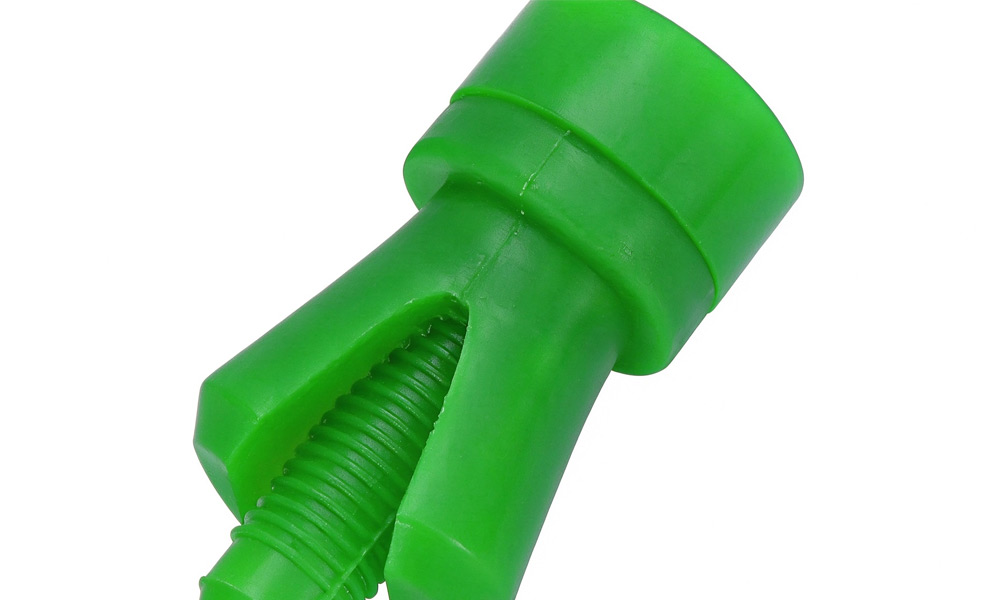
Proper insertion and withdrawal force testing and installation tips for polyurethane pins, the key components of modular screen panels, do not demand extra budget or specialized training. These small, actionable adjustments help processing plants avoid unplanned shutdowns, extend screen panel service life, and unlock consistent long-term operational efficiency gains.