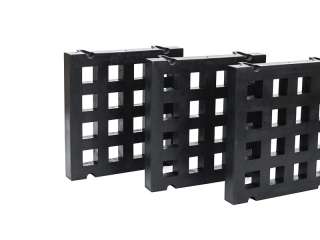
 Woven Metal Screens">
A full, real-world field-based comparison of total life-cycle costs for a Rubber Screen and a Woven Metal Screen makes it clear which option delivers the best long-term value for most operating sites
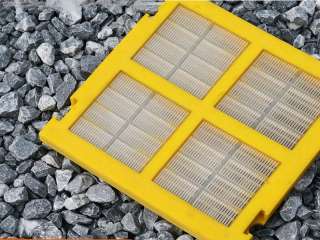
For quartz sand high-purity beneficiation operations that require extremely strict classification accuracy and zero metal contamination of the final product, picking the right Polyurethane Screen Type is one of the most critical step
 Woven Wire Screens">
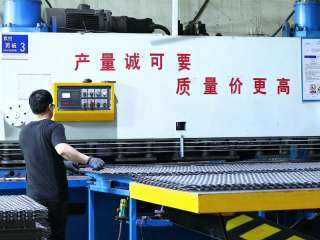
For mineral processing equipment suppliers and international trade teams shipping Woven Wire Screens to overseas mining, quarry and aggregate clients, a poorly prepared third-party inspection can easily lead to costly shipment delays
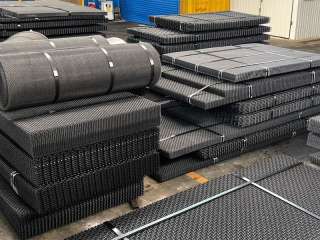 Woven Metal Screens: Improving On-Site Specification Identification Efficiency">
For busy mineral processing, quarrying and aggregate production sites that stock 5 to 10 different Color-Coding for Woven Metal Screens specifications for different screening stages
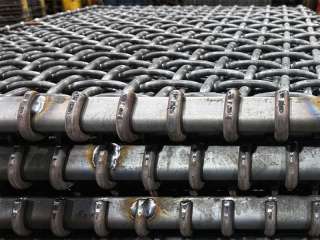 Woven Metal Screens for Copper Ore Processing">
Selecting the right Woven metal Screens with a wear-resistant formulation and establishing a data-driven replacement cycle are therefore critical strategies for maximizing screen life
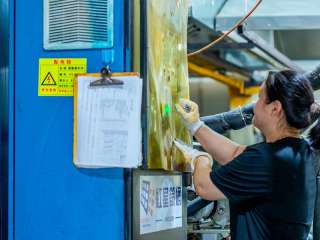 Woven Screen: Design for Installation Without On-site Tensioning">
In busy field environments, getting that perfect tension is rarely easy, and results can vary—even with experienced crews That’s where the Modular Pre-tensioned Metal Woven Screen steps in
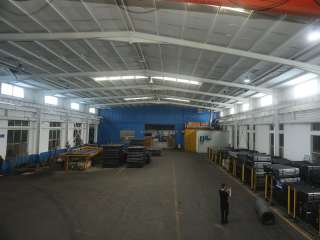 Screens in the coarse screening process against impact from large materials">
Properly engineered welded Screens lock every intersection of high-tensile steel wires in place, maintaining consistent slot sizing even when taking repeated direct hits from oversized feed material
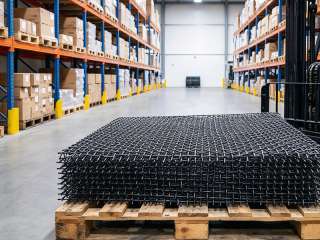 Woven Metal Wire Screens in the Manganese Ore Screening Process">
Meeting the targeted impact resistance requirements for wire Woven Screens doesn’t just eliminate unexpected failures—it can extend service life 3 to 5 times longer than generic alternatives
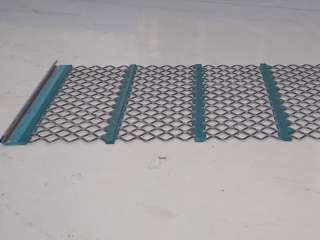 Screens for material screening">
For aggregate processing, mining and construction waste sorting, the exact moisture content threshold to switch to self-cleaning Screens can save you 30% of unplanned downtime and boost your screening efficiency
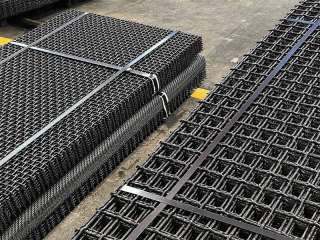 Woven Wire Mesh">
For mining, aggregate processing and precision filtration operations, picking between crimped metal wire mesh and standard Woven wire mesh boils down to real-world performance under continuous heavy load
