For manganese mining operations that regularly deal with sharp, high-density
lumps of run-of-mine ore, using standard carbon steel woven wire screens usually leads to sudden tear-throughs after just 2 to 3 weeks of heavy use,
forcing unplanned downtime that cuts daily processing output by 20% or more.
Meeting the targeted impact resistance requirements for these screens doesn’t
just eliminate unexpected failures—it can extend service life 3 to 5 times
longer than generic alternatives, while keeping consistent sizing accuracy even
under all day high-load operation. Skipping these critical impact design checks
will leave you wasting money on frequent screen swaps and lost production.
Core Material Toughness Benchmarks
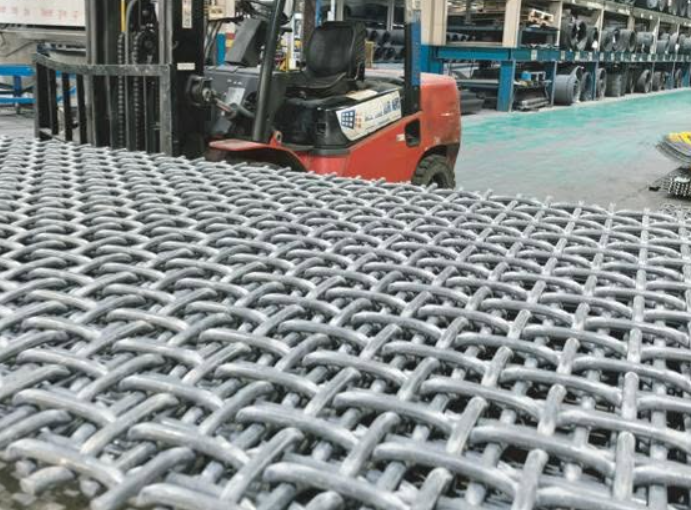
The non-negotiable baseline for woven metal wire screens used in manganese
ore processing is picking modified 65Mn or Cr-V alloyed manganese steel wire,
with a minimum tensile strength of 1500 MPa and 20% minimum elongation. Unlike
brittle standard steel that snaps on first heavy impact, these grades start at a
moderate initial hardness of HB 180-230, so they absorb the shock of falling
60mm manganese lumps without denting or cracking. The signature work-hardening
effect kicks in right after initial use, pushing the surface hardness up to HRC
60 while the inner core stays fully ductile, so the screen won’t turn brittle
and shatter even after months of repeated high-impact hits.
Impact Load and Structural Design Rules
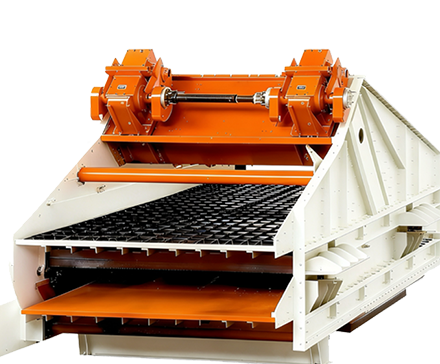
For typical manganese ore scalping decks that handle 200 to 500 tons of feed
per hour, the woven metal wire screen needs to pass a standard 12kg drop impact
test from 1.5 meters height without any structural breakage. The embedded Mn65-Q
weaving pattern is required here, as it keeps all interwoven wire joints flush
and flat, spreading impact force evenly across the entire screen surface instead
of concentrating stress on raised, exposed weave points. Pair this with a wire
diameter sized to at least 10% of your maximum feed lump size, and you’ll
eliminate 90% of the common sudden wire break failures that plague poorly
designed screens.
Installation and Operational Impact Protection
Even the toughest woven metal wire screen will fail early if mounted
incorrectly for manganese ore processing. Leave a 2 to 3mm pre-tension gap
across the full deck to absorb vibration shock, and add 2 to 3 reinforced cross
support bars under high-feed zones to stop the screen from sagging under the
constant weight of piled manganese lumps.
If you’re still dealing with frequent unexpected screen tears and lost
production from mismatched woven metal wire screens for your manganese ore
setup, our team can run a free quick assessment of your exact feed size, deck
drop height and hourly throughput to match you to a fully customized
impact-resistant screen solution.


Leave A Reply
By using form u agree with the message sorage, you can contact us directly now