For mineral processing, aggregate and industrial screening operations picking new screening media, most teams only compare the upfront purchase price and completely overlook the full range of hidden long-term costs that add up over the full service life of the panel. Many operations that picked the cheaper woven metal option found themselves facing far higher total costs after a few months, from frequent replacements, extra labor and lost throughput that they never accounted for in their initial budget. A full, real-world field-based comparison of total life-cycle costs for a Rubber Screen and a Woven Metal Screen makes it clear which option delivers the best long-term value for most operating sites.
Upfront Purchase and Initial Installation Cost Comparison
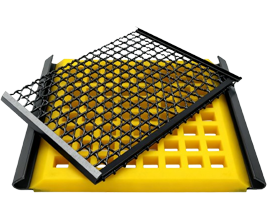
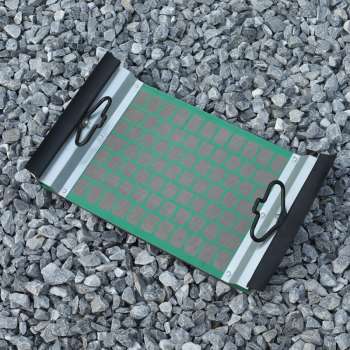
At first glance, a standard Woven Metal Screen usually carries a noticeably lower per-panel upfront purchase price, and many operations assume this makes it the more cost-effective choice from the start. A properly engineered heavy-duty Rubber Screen has a higher initial material and manufacturing cost, but it comes with integrated mounting features that cut installation time by nearly 40%, so the total initial installation labor cost is far lower than what you would spend installing a full set of woven metal panels across a large deck.
Mid-Term Service Life and Maintenance Cost Breakdown
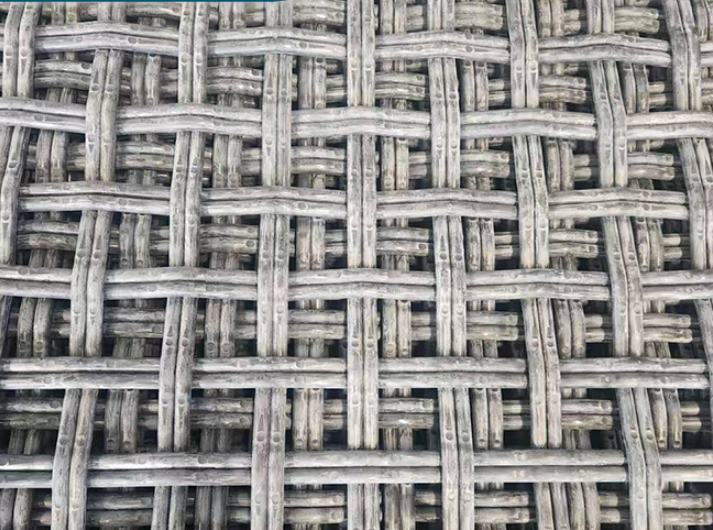
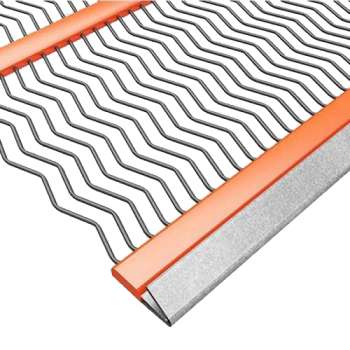
In typical operations processing sharp, abrasive ore or aggregate, a standard Woven Metal Screen usually only delivers 2 to 4 weeks of usable service life before it wears through, develops holes or stretches out of shape, requiring frequent full panel replacements that add up to huge ongoing material and labor costs. A well-formulated, properly installed Rubber Screen can deliver 3 to 6 months of continuous service life in the exact same operating conditions, while also requiring far less frequent manual cleaning, thanks to its natural low-adhesion flexible surface that resists near-size particle blinding far better than rigid metal mesh.
Long-Term Operational Efficiency and Unplanned Downtime Cost
Over the full 12-month operating cycle, a Woven Metal Screen will cause far more unplanned downtime events, as unexpected sudden tears or full deck blockages force your team to stop production for emergency replacements, costing thousands of dollars in lost throughput and overtime labor. A high-quality Rubber Screen wears slowly and evenly across its full service life, giving your maintenance team clear advance warning before a panel needs replacement, so all swap-out work can be scheduled during regular planned downtime windows with zero impact on normal production output.
When you add up all the upfront, mid-term and long-term hidden costs, most operations find that a rubber screen solution delivers 30% to 50% lower total full life-cycle cost than relying entirely on woven metal screens, with far more stable and consistent screening performance. If you share details of your site’s typical processed material, screen deck size and current monthly operating hours, our team can run a free custom life-cycle cost calculation for your specific operation to show you exactly how much you could save by switching to rubber screen media.


Leave A Reply
By using form u agree with the message sorage, you can contact us directly now