 Polyurethane Screens for Heavy Mineral Ore Beneficiation">
Polyurethane screens are a popular choice, but not all PU is created equal Relying on generic material specs is a gamble
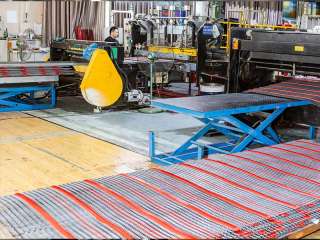
With standard screens, you’ll notice they get blocked fast—especially with clay-rich slurries, water stops flowing and the whole process grinds to a halt That’s why self-cleaning screens are essential
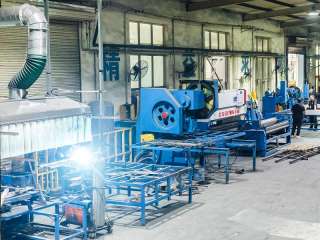
Screening high-moisture, sticky coal is a constant battle against blinding Self-cleaning screens promise a solution, but not all live up to the claim under real, wet conditions
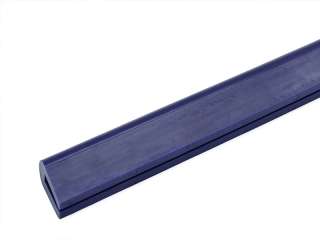
Screen clamping strips take a beating — impact from feed, constant vibration, and metal-on-metal friction wear them down until they lose grip
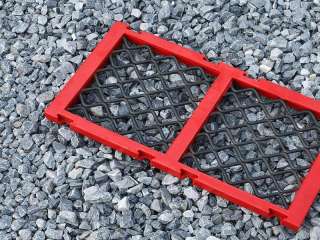
Anyone running self-cleaning screens knows that vibration settings aren t something you dial in once and forget The screening machine amplitude you choose directly controls whether fines bounce off or get hammered into the deck
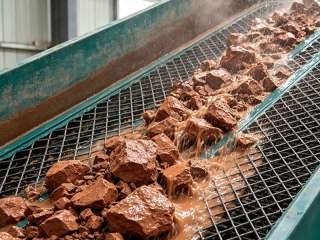
A conventional screen clogs within hours and turns your washing circuit into a bottleneck That s why the design of an anti-clogging self-cleaning screen structure matters so much
Coal slurry water treatment is messy, abrasive, and demands screens that won t quit mid-shift Wedge-wire screens have quietly become a favorite in fine filtration for this exact reason
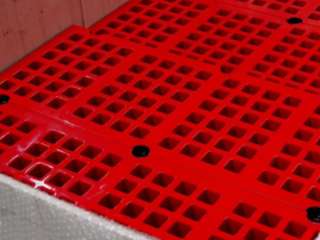 Polyurethane Screen Panels and Woven Wire Screens:Which Cuts the Noise in Ore Screening">
Stepping into a mineral processing workshop, one is immediately met with the deafening noise of material impacting the screens; metal screens, in particular, generate significantly more noise than Polyurethane screen Panels
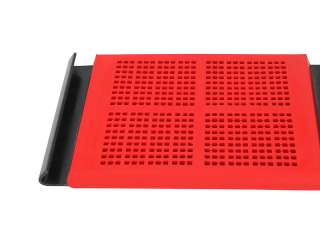 Polyurethane material elongation on the tear resistance of Polyurethane screen">
Understanding how the elongation of Polyurethane materials affects the tear resistance of Polyurethane screens helps in selecting screens suitable for specific operating conditions, maximizing the screen s value
For the aggregate processing and mining sectors, selecting between natural rubber and synthetic rubber screens is a common challenge; a poor choice can reduce production efficiency and drive up consumable costs
