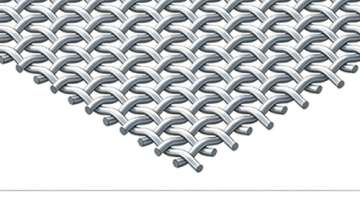
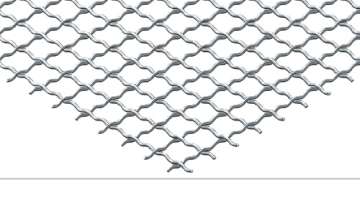
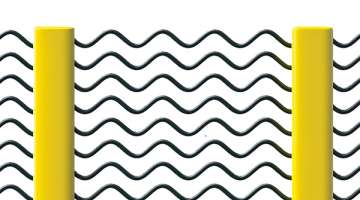
Stepping into a mineral processing workshop, one is immediately met with the deafening noise of material impacting the screens; metal screens, in particular, generate significantly more noise than polyurethane screen panels. During ore screening process, standard woven metal screens often produce noise levels reaching 100–110 decibels, posing a serious risk of hearing damage to those working in such environments for extended periods. While polyurethane screen panels offer a significant reduction in noise, does this noise mitigation come at the cost of processing throughput? How can the two factors be balanced to achieve an optimal compromise between noise levels and screening efficiency?
Why Woven Wire Screens Scream So Loud
Steel woven wire screens are rigid. When ore hits them, there's nowhere for the energy to go, it bounces back as vibration and sound. The metal-on-metal contact between the feed and the screen wires creates a high-frequency noise that echoes through the entire plant. In enclosed facilities, that's not just annoying; it's a regulatory headache. Operators end up stacking ear protection, sound barriers, and shuttle rotations just to keep workers compliant.
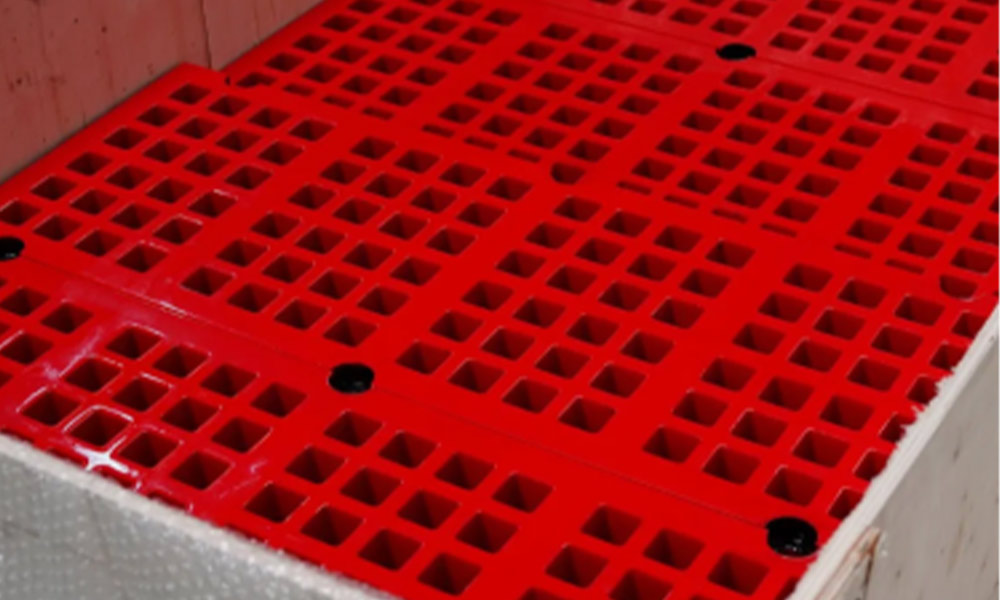 How Polyurethane Screen Panels Absorb the Racket
Polyurethane screen panels are elastomeric, they flex, deform, and dampen impact energy instead of reflecting it. In real ore screening tests, switching from woven wire to polyurethane panels typically drops noise levels by 10-15 dB. That's not a small tweak; it's the difference between a jackhammer and a busy street. The softer material also reduces secondary noise from rebounding fines and tray rattling. For night-shift operations near residential zones, this alone can justify the upgrade.
The Catch: Noise Isn't the Only Metric
Quieter doesn't always mean better. Woven wire screens handle extreme temperatures and sharp, abrasive material where polyurethane might fatigue or tear. Some polyurethane formulations also degrade in UV-heavy outdoor setups. The real comparison in ore screening comes down to your specific feed, if it's wet, sticky, or moderately abrasive, polyurethane wins on noise and uptime. If you're crushing granite in open air, steel might still be your call despite the racket.
Don't just chase silence. Match the screen type to your noise regulations, material profile, and maintenance budget. Polyurethane screen panels are a game-changer for noise-sensitive sites, but only when paired with the right hardness and panel design. Want a side-by-side noise and wear comparison tailored to your ore type? Drop your feed specs and we'll sort it out.