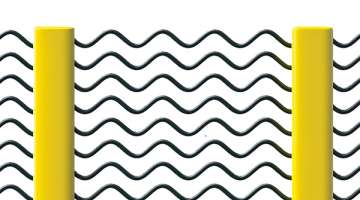
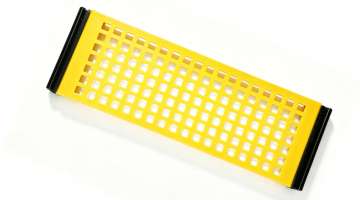
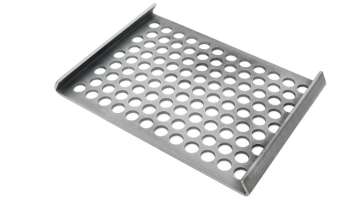
Anyone running self-cleaning screens knows that vibration settings aren't something you dial in once and forget. The screening machine amplitude you choose directly controls whether fines bounce off or get hammered into the deck, and that difference decides your anti-clogging performance. Too little amplitude and material just sits there, packing tighter every minute. Too much and you tear panels apart. Finding that sweet spot is where the real engineering lives.
Low Amplitude: The Silent Killer
At under 2mm stroke, most self-cleaning screens lose their fight against sticky or damp feeds. Particles don't gain enough kinetic energy to break free from aperture edges, so they nest and compact. In quartz sand or bauxite washing applications, low-amplitude setups see open area drop below 50% in under two hours. It feels like nothing's wrong, the machine's running, the noise is normal, but the screen is slowly choking itself.
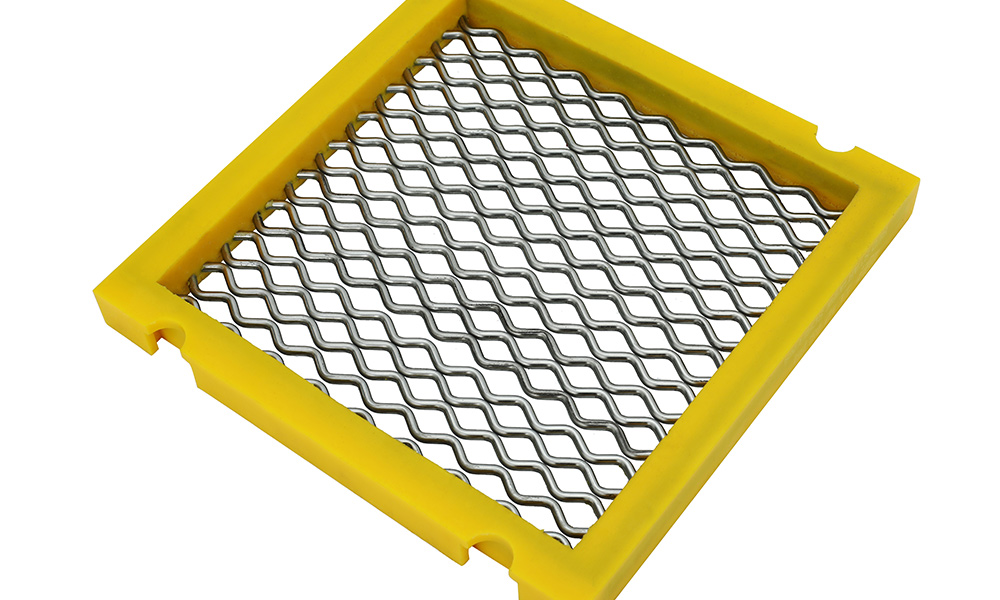
High Amplitude: Great Until It Isn't
Crank it past 6mm and you get dramatic particle mobilization, sure. But polyurethane panels fatigue faster, bolted joints loosen, and screen life can halve. There's also a fine line between aggressive cleaning and material degradation such as oversized quartz grains fracture, and your product spec drifts. High amplitude works for short bursts or heavy-duty circuits, not continuous all day operation.
The Practical Middle Ground
Field data consistently points to 3–5mm amplitude paired with 40–50Hz frequency as the best balance for anti-clogging on self-cleaning screens. This combo keeps particles in constant motion without punishing the panel. Some operators add variable-frequency drives so they can bump amplitude during peak feed and ease off when the deck clears, and it pays back in panel longevity.
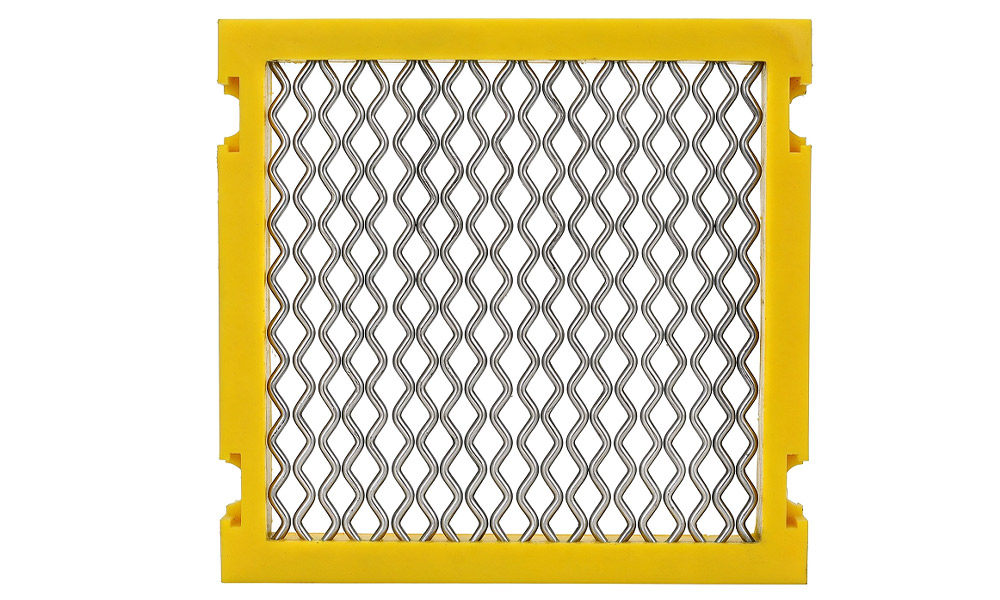
There's no universal amplitude number that works everywhere. Your ore type, moisture content, and aperture size all shift the target. If your self-cleaning screens are fighting clogging despite what you think is the right setting, wecome to contact us,we'll help you find the screening machine amplitude that actually keeps your deck open.