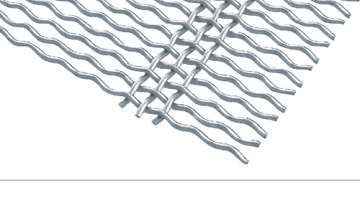
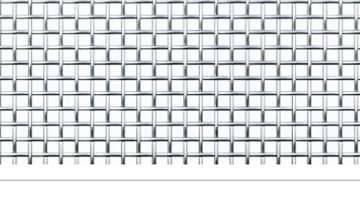
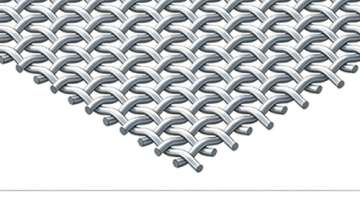
Coal slurry water treatment is messy, abrasive, and demands screens that won't quit mid-shift. Wedge-wire screens have quietly become a favorite in fine filtration for this exact reason, they handle sticky coal fines, resist blinding, and survive conditions that murder polyurethane panels within weeks. If your plant is still wrestling with clogged screens and rising costs, this application deserves a closer look.
The Filtration Challenge Nobody Talks About
Coal slurry isn't just dirty water. It's a thick cocktail of ultra-fine coal particles, clay, and chemical residues that gum up any screen surface fast. Traditional woven wire mesh traps material in its weave, turning the screen into a solid plate. Wedge-wire screens solve this with their V-shaped profile — particles slide along the tapered slot instead of getting wedged in. That self-cleaning geometry is the whole reason this technology works so well in fine filtration stages where openings can be as tight as 0.25mm.
Why Wedge-Wire Beats Alternatives Here
Polyurethane panels flex nicely but tear under the abrasive edge of coal particles. Rubber screens? They deform and lose slot accuracy. Stainless steel wedge-wire screens hold their shape under pressure, resist corrosion from acidic mine water, and take the mechanical beating without flinching. In dewatering circuits after thickener overflow or centrifuge underflow, they deliver consistent cut points that operators can actually trust — shift after shift.
Real-World Performance in Coal Plants
Mines running wedge-wire screens in their fine filtration loops report 30-40% longer intervals between panel changes. The key is pairing the right slot size with proper backwash pressure — too high and you damage the profile; too low and fines still accumulate. Most facilities settle on 0.3-0.5mm slots for tertiary treatment and schedule automated flushing every four to six hours. Simple routine, big payoff.
 Swapping in wedge-wire screens for coal slurry fine filtration isn't a
massive capital project — it's a targeted swap that drops downtime and
maintenance headaches overnight. If you're sizing a new treatment line or
retrofitting an old one, start with your particle distribution and flow rate. We
can help you nail the specs—just share your slurry data and we'll match you to
the right screen.
Swapping in wedge-wire screens for coal slurry fine filtration isn't a
massive capital project — it's a targeted swap that drops downtime and
maintenance headaches overnight. If you're sizing a new treatment line or
retrofitting an old one, start with your particle distribution and flow rate. We
can help you nail the specs—just share your slurry data and we'll match you to
the right screen.