Design of an Anti-Clogging Self-Cleaning Screen Structure for Bauxite Washing Processes
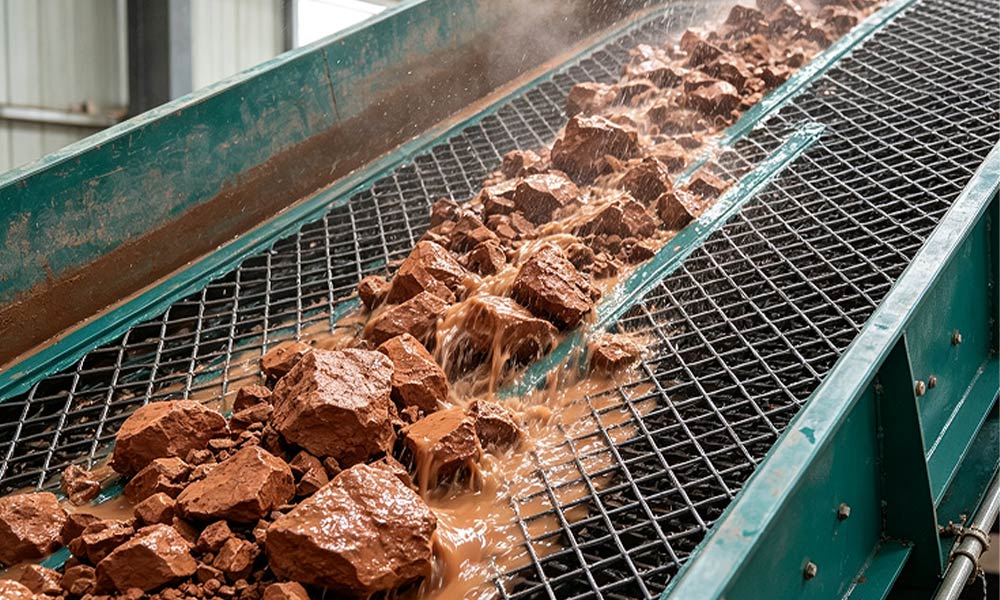
Bauxite washing is messy business. Slurry loaded with alumina fines, red mud residues, and sticky clay minerals coats every surface it touches including your screen. A conventional screen clogs within hours and turns your washing circuit into a bottleneck. That's why the design of an anti-clogging self-cleaning screen structure matters so much. Get the geometry wrong and you're replacing panels weekly. Get it right and you run for months between interventions.
What Actually Clogs Screens in Bauxite Washing
It's not just particle size, it's chemistry. Alumina trihydrate particles swell in water, iron oxide fines pack into mesh openings under hydrostatic pressure, and the red mud suspension acts like a slow-setting cement on wire surfaces. Tack on ambient temperature swings in tropical operations and you've got a recipe for rapid aperture occlusion. Any anti-clogging self-cleaning screen structure must address both physical blockage and chemical adhesion simultaneously.
Geometry That Fights Back
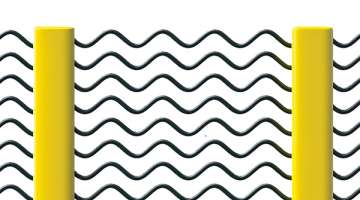
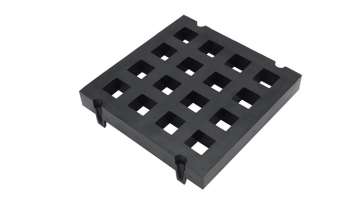
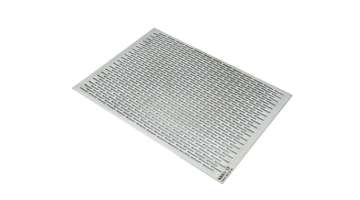
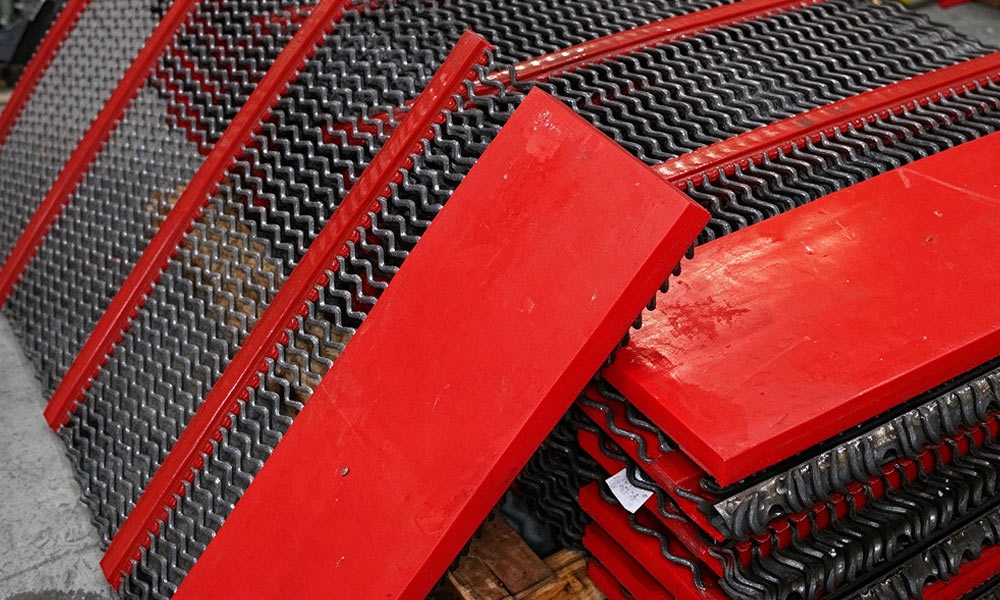
Proven designs use tapered polyurethane panels with converging slot geometry—wider at the feed side, narrowing toward discharge. This prevents fine nesting while directing material flow. Combined with a slight crown or convex profile across the deck, tension stays even and material doesn't pool in the center. Secondary high-frequency vibrators mounted at 35–45 Hz underneath disrupt the adhesive bond between slurry and screen surface every few seconds.
Surface Treatment Is Half the Battle
Raw polyurethane still picks up residue. Hydrophobic coatings of silicone-based or fluoropolymer finishes cut adhesion by roughly 60% in field tests. Some operators layer a thin ceramic wear plate over high-impact zones to handle the abrasive quartz content in raw bauxite without sacrificing the anti-clogging flexibility of the elastomer base.
The design of an anti-clogging self-cleaning screen structure for bauxite washing isn't a catalog item you pick off a shelf. It depends on your specific ore mineralogy, wash water chemistry, and throughput target. Drop us your process data and we'll engineer a structure that actually keeps running.