For the aggregate processing and mining sectors, selecting between natural
rubber screens and synthetic rubber screens is a common challenge; a poor choice can
reduce production efficiency and drive up consumable costs. Operators often
either opt for synthetic rubber screens with performance capabilities that
exceed the requirements of less demanding sorting applications, or choose
natural rubber screens to save money—only to find them wearing out rapidly under
high-impact conditions that demand greater durability. By comparing the actual
wear resistance and costs of both materials to select the screen best suited to
the specific operating conditions, facilities can lower total consumable costs,
prevent unplanned downtime caused by premature screen failure, and boost overall
production efficiency.
Wear Resistance Performance Under Different Working Conditions
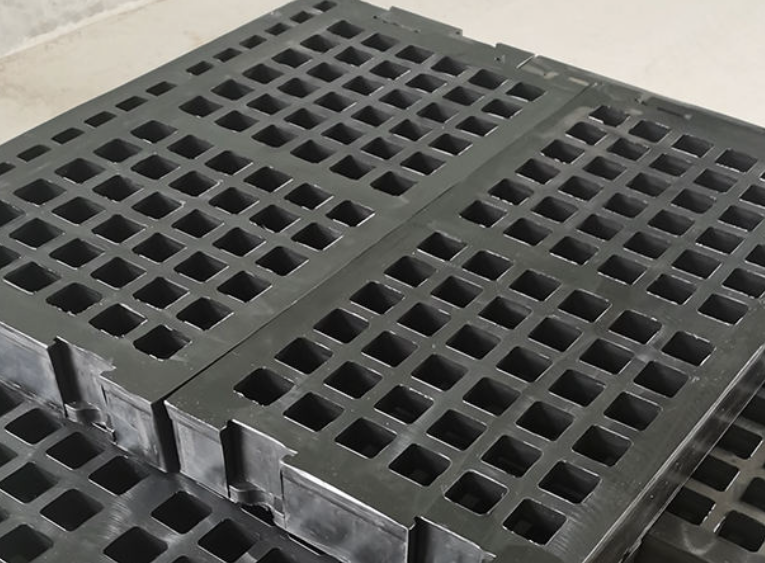
The primary advantages of natural rubber screen panels lie in their
exceptional tear resistance and low heat generation under high-impact loads,
making them ideal for handling low-hardness materials such as grain. Their
inherent high elasticity allows them to cushion the impact of falling material
without cracking; however, due to their specific rubber formulation, they are
less suitable for handling sharp, hard metal ore, as they are prone to rapid
wear. In contrast, custom synthetic rubber screens can be engineered to achieve
two to three times the wear resistance of natural rubber versions, while
offering superior oil, corrosion, and aging resistance that natural rubber
cannot match. Consequently, they are widely used in open-pit mining operations
and the processing of petroleum coke.
Upfront and Long-Term Total Cost Breakdown
Natural rubber screens carry a 25% to 35% lower initial purchase cost than
most performance-grade synthetic rubber screens, thanks to mature, large-scale
global supply chains for natural raw materials. For small-scale operations with
low daily throughput and non-corrosive, low-impact feed, their low upfront cost
translates to very fast return on investment, with no unnecessary premium for
performance features you will never use. Synthetic rubber screens, while more
expensive at the point of purchase, drastically cut down on replacement
frequency and unclogging labor costs in harsh environments. Even though their
initial investment is higher, most heavy-mining operations see their total
annual screen-related costs drop by more than 50% after switching to synthetic
options, as they no longer need to swap out worn screens every 1 to 2
months.
If you are still guessing which rubber screen type fits your specific
material properties, working environment and budget, our team of screening
specialists can run a free quick assessment of your operation to match you to
the most cost-effective, long-lasting screen configuration. Reach out today for
a no-obligation custom quote to cut your screen maintenance headaches and boost
your line uptime this quarter.


Leave A Reply
By using form u agree with the message sorage, you can contact us directly now