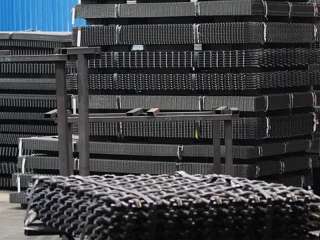
 Woven Metal wire mesh in processes">
Woven Metal wire mesh is commonly used for the wet Screening of materials While the Screening process itself may seem straightforward, paying attention to specific details when selecting the mesh is crucial for ensuring Screening quality
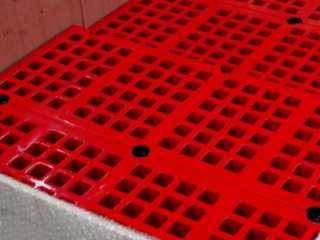 Screen Panels and Woven Wire Screens:Which Cuts the Noise in Ore Screening">
Stepping into a mineral processing workshop, one is immediately met with the deafening noise of material impacting the Screens; Metal Screens, in particular, generate significantly more noise than polyurethane Screen panels
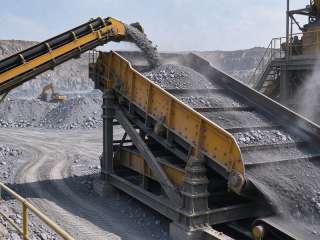 Woven Screens for Aggregate Screening Production">
Picking the right Woven Metal Screens isn’t just a box to tick—it makes a big difference in how well your aggregate Screening line performs and how much you get out of it
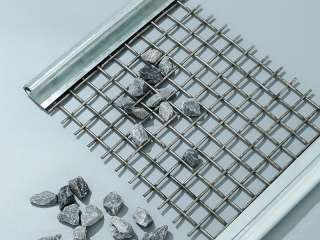 Woven Wire Mesh: Balancing Strength, Open Area, and Service Life">
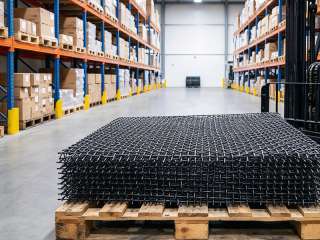
Choosing the right Metal Woven wire mesh isn’t just about checking off specs—it’s about making sure you’re set up for lasting performance and value
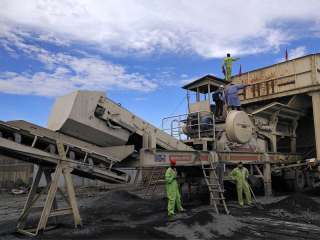
 Woven Metal Wire Screens in the Manganese Ore Screening Process">
Meeting the targeted impact resistance requirements for wire Woven Screens doesn’t just eliminate unexpected failures—it can extend service life 3 to 5 times longer than generic alternatives
 Screen Panel System: Reduce maintenance downtime and enhance overall Screening efficiency">
A modular rubber Screen panel system fixes that exact pain point, letting you cut routine Screen maintenance time by 70% or more while boosting consistent throughput far beyond what traditional Woven Metal Screens can deliver
 Woven Wire Mesh: Wear on Support Bars and Improper Installation">
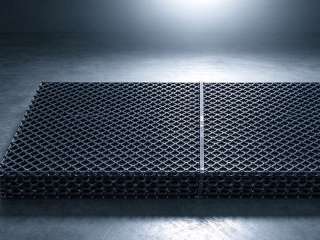
When using Woven Metal Screens for material processing, premature failure is often attributed to the quality of Screen material itself However, wear on support bars and improper installation methods are also significant contributors to this issue
 Screens Outperform Woven Wire Screens in Mining Applications">
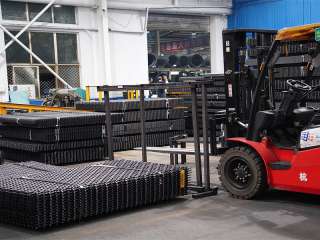
In heavy-duty mining Screening operations, welded Screens outperform Woven Screens across key metrics, They offer extended service life, significantly reduced downtime, and lower manual maintenance costs
The structural stability advantages of double crimped Screens and their reliable application performance in mineral processing make them one of the most underrated cost-saving upgrades for modern concentrators
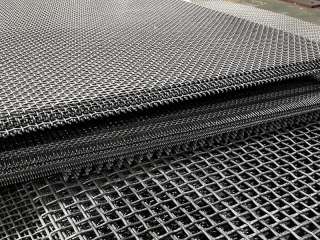 Woven Wire Screens in Precision Grading and Aperture Stability">
The advent of lock-crimp Woven wire Screens has resolved the issue of aperture deformation, thereby enhancing overall Screening efficiency
