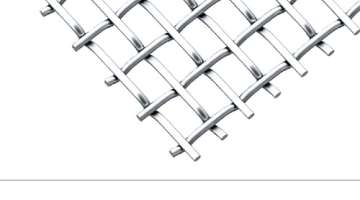
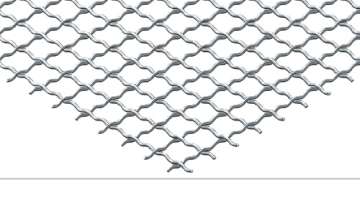
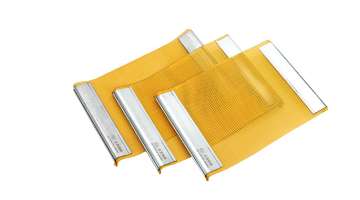
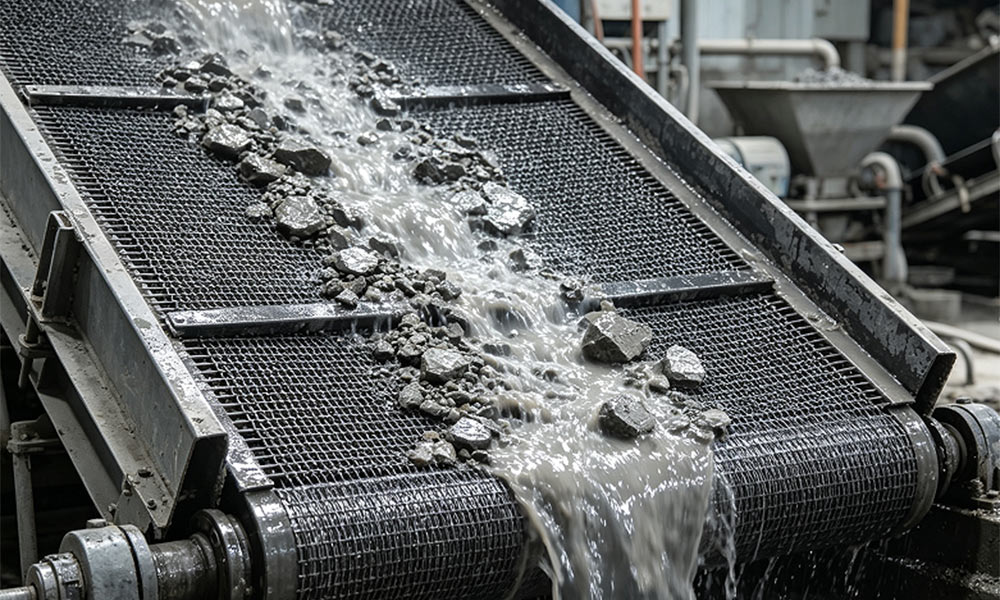
Woven metal wire mesh is commonly used for the wet screening of materials. While the screening process itself may seem straightforward, paying attention to specific details when selecting the mesh is crucial for ensuring screening quality; for instance, the choice of aperture shape significantly impacts drainage speed, screening precision, and the service life of the mesh. An incorrect choice of aperture shape can lead to overflow across the screen surface or rapid clogging. Below are key factors to consider when selecting woven metal wire mesh.
Square andf Rectangular: Does Shape Really Matter
Yeah, it does. Square apertures on woven metal wire mesh give even flow distribution—great for uniform dewatering when your feed is consistent. Rectangular slots push more water through per unit area, which helps on high-volume, fine-particle feeds where speed is everything. The downside? Rectangular openings are weaker structurally and tear faster under impact. Most wet screening setups land on square unless throughput demands otherwise.
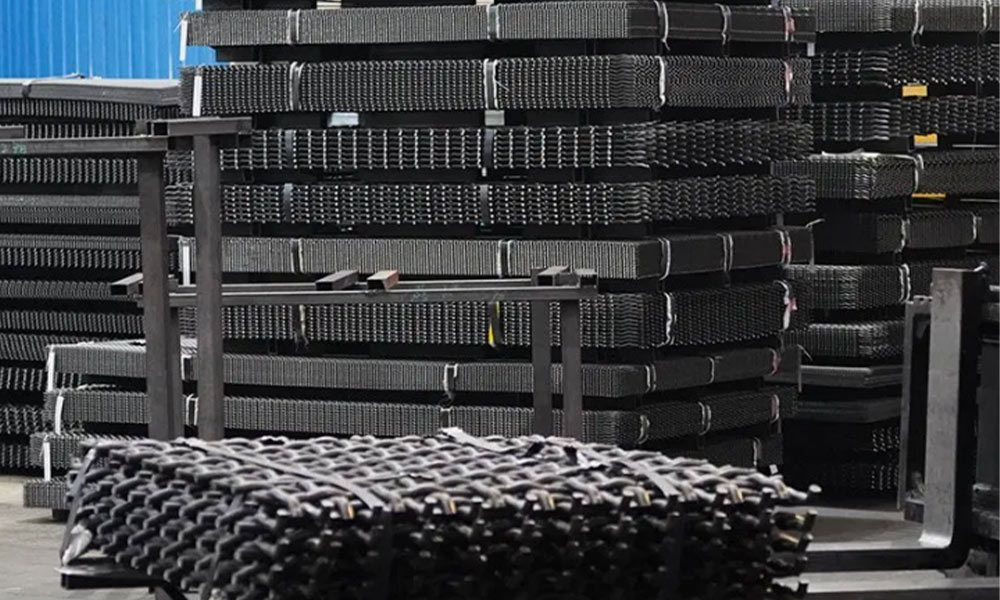
Round Apertures and Why They're Overlooked
Round drainage aperture types show up less often but deserve a mention. They resist clogging better because there are no corners for material to snag on. If your wet screening process handles anything sticky—clays, biosolids, fine coal — round holes on woven metal wire mesh keep things moving when squares would lock up. Trade-off is lower open area percentage, so you sacrifice some capacity for reliability.
Open Area Percentage Is the Hidden Variable
Everyone focuses on aperture size but forgets open area. A mesh with 40% open area drains twice as fast as one with 20%, even if the hole dimensions look similar. In wet screening, that difference means the difference between a dry cake and a soggy mess. Calculate your required flow rate first, then back into the spec of your woven wire screen. Don't guess—measure what you actually need.
 There's no universal "best" drainage aperture type for woven metal wire mesh
in wet screening processes—only the right one for your slurry, your volume, and
your downtime tolerance. If you're stuck between options, shoot us your feed
details and we'll narrow it down fast.
There's no universal "best" drainage aperture type for woven metal wire mesh
in wet screening processes—only the right one for your slurry, your volume, and
your downtime tolerance. If you're stuck between options, shoot us your feed
details and we'll narrow it down fast.