Guide to Selecting Woven Wire Mesh: Balancing Strength, Open Area, and Service Life
Choosing the right metal woven wire mesh isn’t just about checking off specs—it’s about making sure you’re set up for lasting performance and value. With so many types and materials out there, it really comes down to striking the right balance between strength, open area, and how long the mesh will actually last in your setup. Here’s what to keep in mind as you sort through your options.
Evaluating Structural Strength
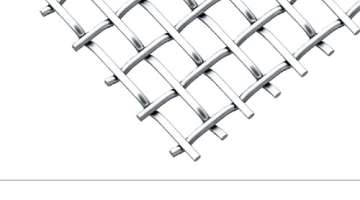
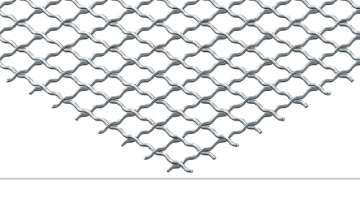
Start with strength. The mesh’s durability depends on things like the metal you pick, how thick the wires are, and how the thing is woven together. If your application takes a beating, don’t skimp—go for thicker wires and tough materials like stainless steel or brass. As for the weave, something like a twill or inter-crimp weave will add extra stability and help the mesh hold up against pressure or impact. These are solid choices if the mesh is going to see a lot of wear and tear.
Start With the Cut, Then Work Backwards to the Wire
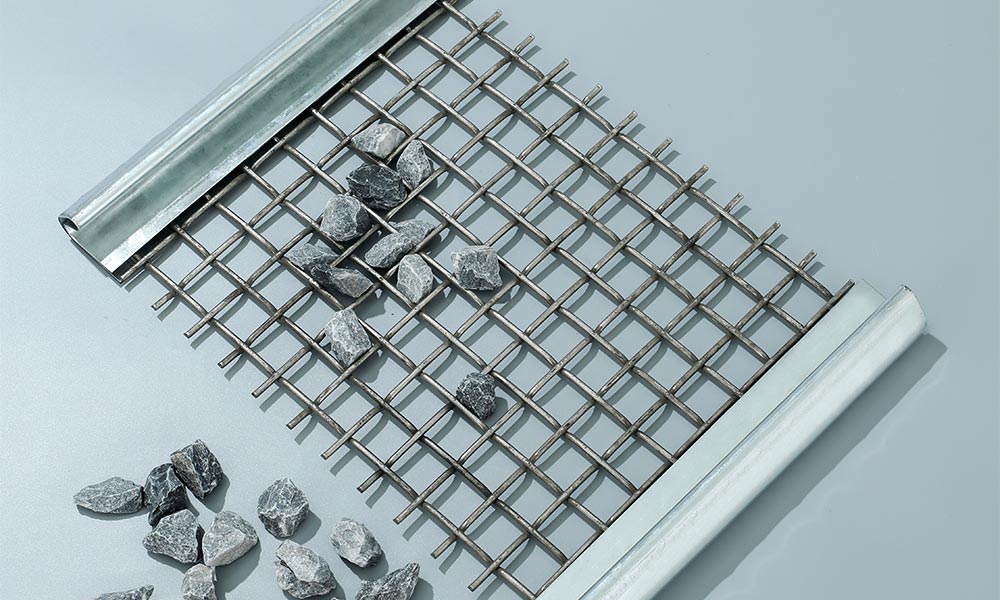
Most purchasing enquiries begin with "we need 12 mm" or "give us 20 mesh," but the aperture is only the output of a process decision, not the starting point. The real inputs are the top size you must reject, the near-size fraction that causes mischief, the moisture and fines content, the required d50 or d80, and how much open area the deck needs to move the planned tonnage without overloading the machine. Once those are known, the Woven Wire Mesh specification follows: aperture size sets the pitch, pitch and desired open area set the wire diameter, and wire diameter plus alloy set the strength and wear budget. A plant that specifies aperture first and wire second usually ends up with a screen that grades correctly for a fortnight and then loses its shape; a plant that specifies the whole geometry understands why the deck behaves differently after the wire wears 15 percent.
Open Area Is Throughput, Until It Becomes Fragility
Open area is the percentage of the panel that actually lets material through, and on a busy scalping or sizing deck it is the closest thing to a throughput dial you have. A high-open-area Woven Wire Mesh moves more feed, keeps bed depth down, and reduces the blinding that comes from material sitting too long on the surface. The catch is that open area rises when you thin the wire or widen the aperture, and both moves make the cloth more flexible, more prone to fretting at the supports, and quicker to lose dimensional accuracy. On coarse aggregate the plant can often afford big openings and a stout wire; on fine dry powder or a 200-mesh slurry, chasing open area can leave you with a gossamer cloth that tears faster than it wears. The experienced screen man does not ask "what is the maximum open area" — he asks "what is the minimum open area that still moves my tonnage and keeps the panel alive."
Strength Is Not Just Wire Thickness
When people say a Woven Wire Mesh "isn't strong enough," they usually mean it deformed, tore, or came loose — three different failure modes with three different fixes. Tensile strength of the wire matters for withstanding tension and impact, but deck strength is also about crimp style, weave stability, support span, hook strip design, and how the cloth is loaded by the stroke. A plain weave with a heavy wire may resist pulling yet still shift at the crimp under vibration; a locked crimp or double-crimp weave may hold geometry better with slightly less open area. Then there is impact strength, which is not the same as static strength: a screen scalping 300 mm boulders needs wire and support logic completely different from one sizing 6 mm crushed rock. Specifying strength without saying what kind of load the mesh sees — impact, tension, abrasion, fatigue — is how plants end up with a technically "strong" cloth that fails on Monday.
Service Life Lives at the Intersection of Alloy, Crimp, and Duty
Service life is where the salesman's promises meet the slurry. A Woven Wire Mesh in dry limestone sees mostly impact and abrasion; in copper flotation it sees abrasion plus chemicals; in seawater or chloride leach it sees corrosion that can end the panel long before the wire is worn thin. Carbon steel is cheap and tough but rusts; 304 stainless costs more and resists many process waters; 316L earns its keep where chlorides would pit 304 overnight; galvanised or epoxy-coated carbon steel buys time in mild corrosion at a lower price than stainless. Crimp choice matters too: a proper crimp locks wires so they do not ratchet under vibration, which extends life more than a small bump in wire diameter ever will. And wear life is not only about the top surface — the crossing points are where fretting fatigue starts, so a mesh that holds its crimp outlasts a softer alloy with a prettier wear number on the brochure.
Optimizing Open Area for Efficiency
Now think about open area. Basically, this tells you how much of the mesh surface is open and lets stuff such as liquids, air and any others pass through. If you need things to flow freely, you want a lot of open space. But you can’t go too far: a mesh that’s too open loses strength and starts sagging, which defeats the purpose. The trick is to find a weave that lets enough material pass through without giving up the support you need.
Ensuring Long-Term Service Life
Then there’s the service life. No one wants to swap out mesh constantly or deal with a bunch of downtime. Choose coatings that fight off rust and corrosion, or just go for metals that naturally hold up over time. Don’t forget about regular cleaning and inspections, either—they keep everything running smoothly longer.
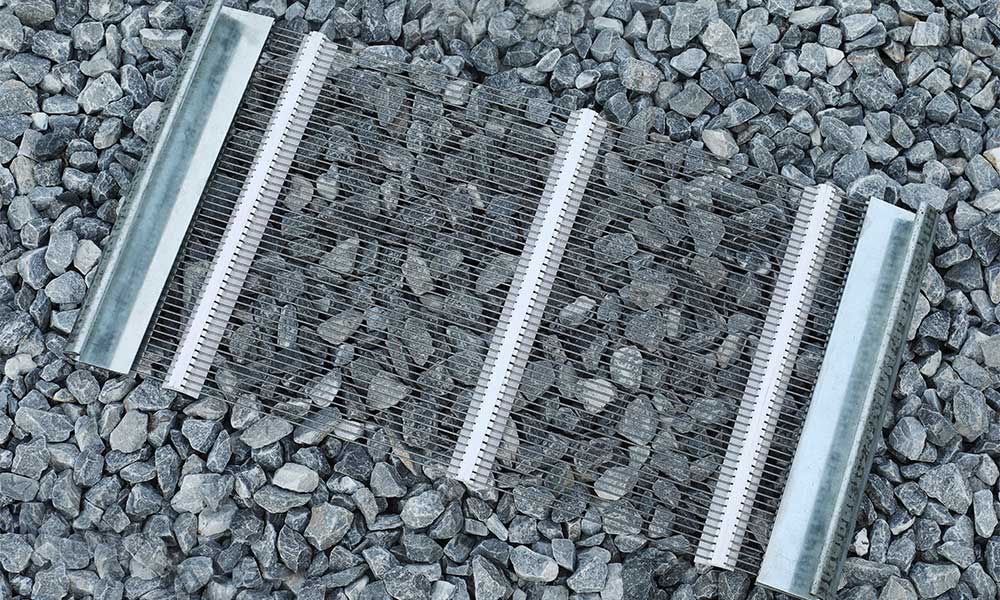
In the end, picking the right mesh is really about finding that sweet spot: tough enough to last, open enough for what you need, and durable enough that you’re not replacing it all the time. Take a bit of extra time up front to get it right, and you’ll thank yourself down the road. Our engineering team can help you specify suitable metal woven wire mesh according to your screening conditions, material properties and target throughput.