Causes of Premature Failure of Woven Wire Mesh: Wear on Support Bars and Improper Installation
When using woven metal screens for material processing, premature failure is often attributed to the quality of the screen material itself. However, wear on support bars and improper installation methods are also significant contributors to this issue. These two frequently overlooked factors are, in fact, primary causes of screen damage; while a woven metal screen typically has a service life of several months, support bar wear and incorrect installation can drastically shorten this lifespan, leading to increased equipment downtime and replacement costs.
Unseen Wear on Support Bars Creates Destructive Friction Points
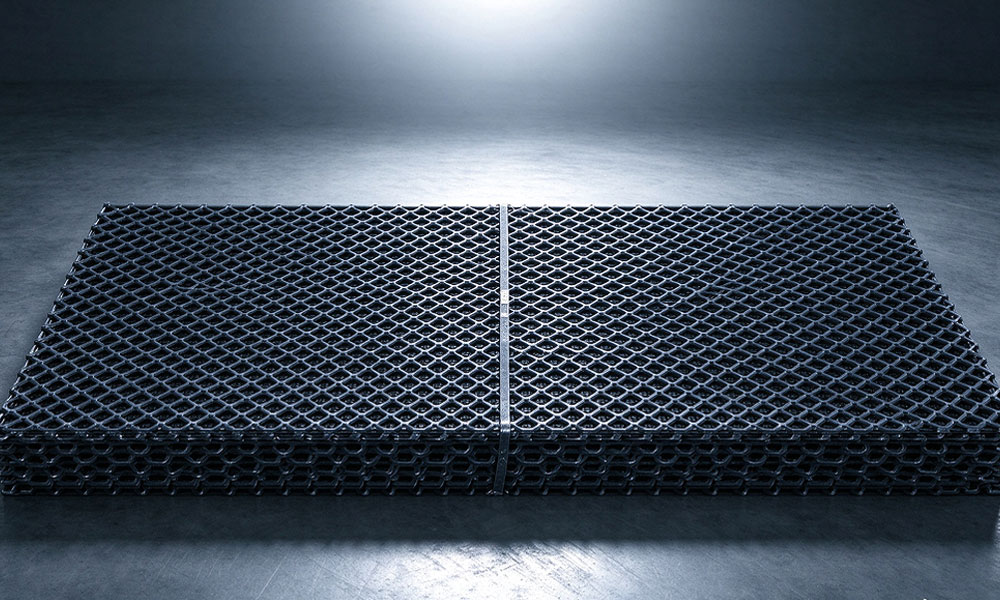
Woven wire mesh sits directly on steel support bars, and thousands of high-frequency vibration cycles per minute create constant grinding between the two metal surfaces. Over time, even minor wear on the top edge of a support bar creates sharp, uneven contact points that saw through the bottom wires of the woven mesh. Many crews miss this wear during inspection because it happens slowly, but once a support bar edge wears down by just 1–2mm, it starts acting like a blade that cuts the mesh from below. Regular bar inspection and timely replacement are non-negotiable for long screen life.
Improper Installation Leaves Slack That Causes Impact Damage
The most common installation mistake is failing to achieve uniform, cross-pattern tension across the entire woven wire mesh panel. If the mesh is even slightly loose in the middle or at the corners, heavy material impacts cause it to bounce and slap against the support bars. This repeated slapping action fatigues the wire strands at the contact points, leading to rapid wire breakage and unexpected panel tears. Proper tensioning requires a star-pattern tightening sequence and a final check that the entire mesh surface feels firm and drum-tight, with no soft or wobbly spots.
Skipping the Secondary Tensioning Step can Lead to Premature Screen Damage
Even a perfectly tensioned woven metal screen will begin to slacken slightly once put into service. Skipping the critical step of re-tensioning after 24 hours of operation leads to the rapid development of loose spots and accelerates wear at the contact points with support bars; therefore, re-tensioning is essential. Do not underestimate this simple maintenance task, it maximizes the screen's service life and value while reducing labor and maintenance costs.
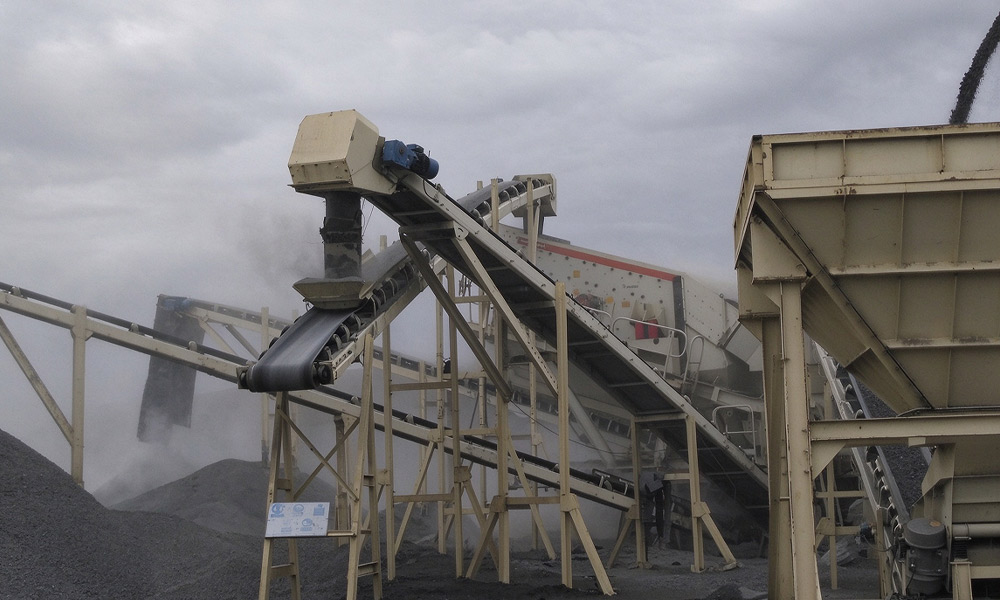
If you frequently encounter this issue while using metal woven screens, check the screen support bars for wear and verify that the installation procedure meets the required specifications. Addressing these two potential issues is the quickest and most effective way to prevent premature screen failure and ensure the screen achieves its intended service life.