Guide to Capacity Matching and Selection of Woven Screens for Aggregate Screening Production
Choosing the right metal woven wire mesh isn’t just about checking off specs—it’s about making sure you’re set up for lasting performance and value. With so many types and materials out there, it really comes down to striking the right balance between strength, open area, and how long the mesh will actually last in your setup. Here’s what to keep in mind as you sort through your options.
Evaluating Structural Strength
Start with strength. The mesh’s durability depends on things like the metal you pick, how thick the wires are, and how the thing is woven together. If your application takes a beating, don’t skimp—go for thicker wires and tough materials like stainless steel or brass. As for the weave, something like a twill or inter-crimp weave will add extra stability and help the mesh hold up against pressure or impact. These are solid choices if the mesh is going to see a lot of wear and tear.
Capacity Starts With the PSD, Not the Machine Model
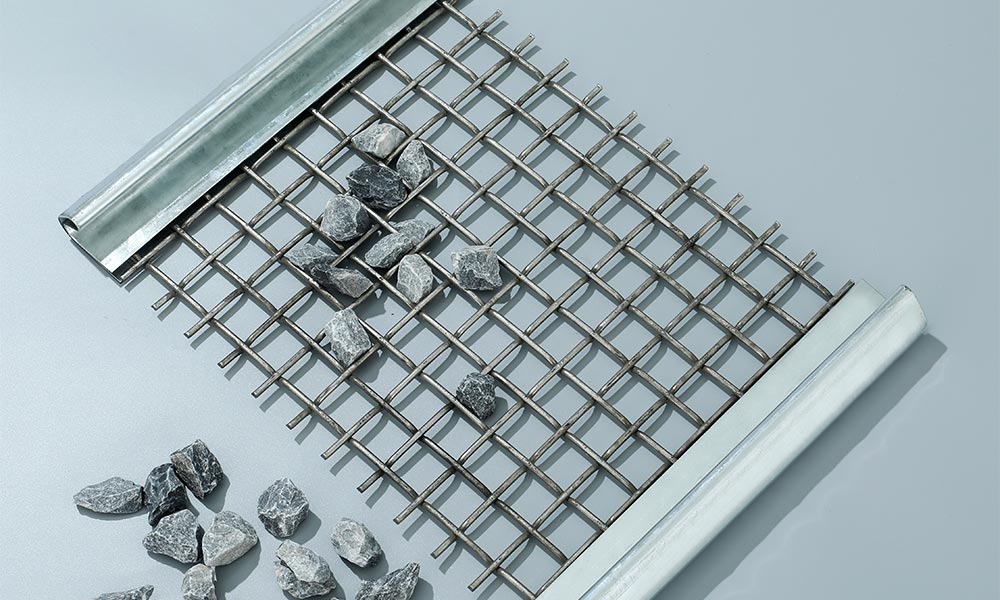
The biggest mistake in aggregate screening is specifying the deck from nameplate capacity. A 1.8 m × 6.0 m screen does not "do 200 t/h" — it does 200 t/h on a known feed with a known cut, known moisture and a known efficiency target. The inputs that matter are peak feed rate, a proper sieve analysis, bulk density, moisture, the number of product fractions, and the open area of the media you intend to fit. Half-size material passes easily and lifts capacity; near-size material — particles sitting roughly 75 to 125 percent of the aperture — does the opposite, because it lodges, pegs and forces the deck to re-present the same particles thousands of times. Any credible Selection of Woven Screens begins with the curve, not the catalogue, because two plants both "screening 20 mm aggregate" can need completely different deck areas if one feed is cubical limestone and the other is wet, clay-coated recycled concrete.
Open Area Is the Quiet Capacity Dial
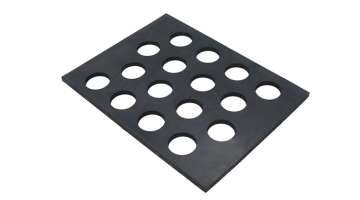
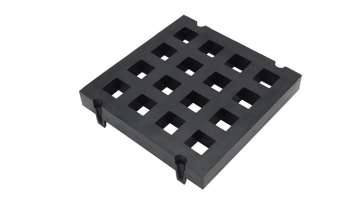
Open area is the percentage of the panel that is hole, and on a woven deck it decides how often a fine particle gets a chance to fall through. A square-mesh open area is roughly (aperture ÷ (aperture + wire diameter))² × 100, so the same 10 mm opening jumps from around 69 percent open area with a 2 mm wire to something much tighter with a 3 mm wire. That difference can swing effective capacity by double digits without changing the machine at all. Woven wire typically runs about 50–65 percent open area, which is why it out-screens polyurethane and rubber on dry aggregate duty; the trade is that thinner wire means more holes but less metal to resist abrasion and impact. The Selection of Woven Screens is therefore never "maximum open area" — it is the minimum open area that still moves the planned tonnage while the wire survives long enough to make the change-out worthwhile.
Wire Diameter, Weave Style and the Strength-versus-Wear Argument
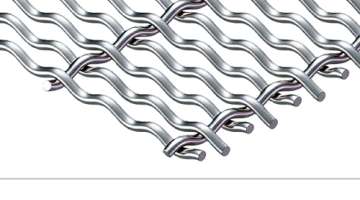
Once the aperture is fixed by the product spec, wire diameter is the lever that balances strength and life. A light wire gives open area and throughput but frays at crossings, loses crimp stability, and shortens panel life on granite or basalt. A heavy wire resists wear and impact but steals open area and can make the deck blind-prone because near-size particles meet a fatter land on every hole. Weave style changes the same trade again: plain weave is predictable and cheap, lock crimp and double crimp hold geometry better under vibration, and self-cleaning diamond or harp styles earn their money when near-size or damp fines would peg a rigid square mesh. A good Selection of Woven Screens matches w/d ratio to duty — finer, lighter duties can run w/d of 4–6, normal aggregate around 2–3, and abrasive basalt or ironstone closer to 1.5–2 where strength beats headline open area.
Deck Position, Moisture and Why the Bottom Deck Needs More Respect
Multi-deck screens fool people because the box looks big while the useful area shrinks as you go down. Material reaching the second or third deck has already travelled, stratified and lost forward momentum, so lower decks need more area for the same cut — top deck might be factored at 1.0, second at around 0.9, third at around 0.8, and a fourth deck can fall to roughly 0.6 of top-deck capacity. Moisture makes it worse: above about 5 percent surface moisture, fines stick to the wire, blinding starts, effective open area collapses, and a panel that looked perfect on the quote behaves like a steel plate. The Selection of Woven Screens for aggregate production has to specify each deck separately — scalping top deck in heavy wire or perforated plate, middle deck in robust crimped woven mesh, bottom deck in a finer weave or self-cleaning pattern if the feed carries clay. Treating all decks alike is how a plant ends up changing the bottom panel every ten days.
Optimizing Open Area for Efficiency
Now think about open area. Basically, this tells you how much of the mesh surface is open and lets stuff such as liquids, air and any others pass through. If you need things to flow freely, you want a lot of open space. But you can’t go too far: a mesh that’s too open loses strength and starts sagging, which defeats the purpose. The trick is to find a weave that lets enough material pass through without giving up the support you need.
Ensuring Long-Term Service Life
Then there’s the service life. No one wants to swap out mesh constantly or deal with a bunch of downtime. Choose coatings that fight off rust and corrosion, or just go for metals that naturally hold up over time. Don’t forget about regular cleaning and inspections, either—they keep everything running smoothly longer.
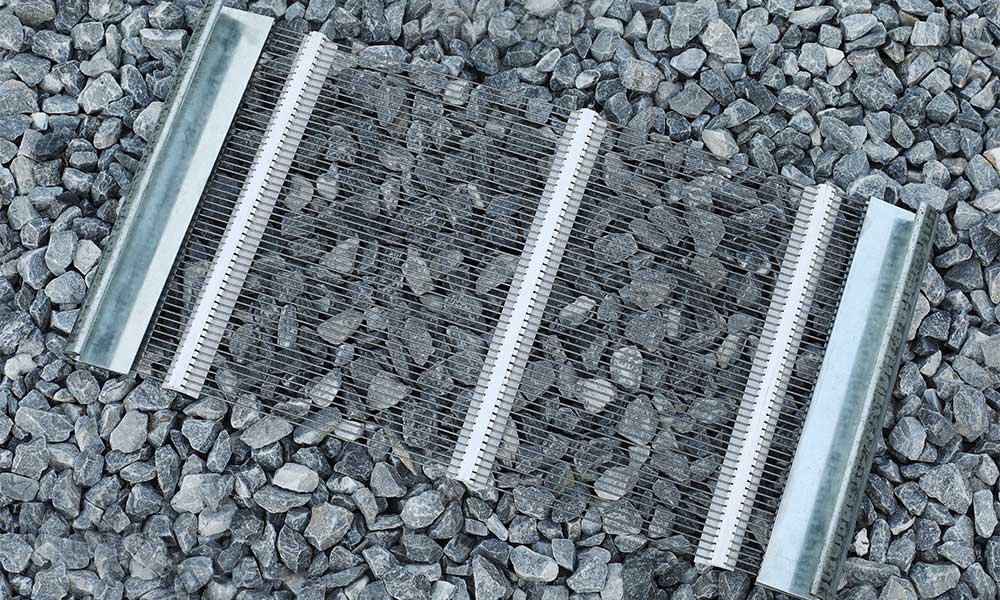
In the end, picking the right mesh is really about finding that sweet spot: tough enough to last, open enough for what you need, and durable enough that you’re not replacing it all the time. Take a bit of extra time up front to get it right, and you’ll thank yourself down the road. Our engineering team can help you specify suitable metal woven wire mesh according to your screening conditions, material properties and target throughput.