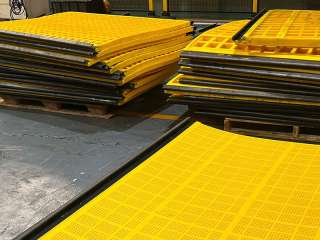
 Screen Panels Fight Adhesion and Statics In Graphite Ore Areas">
If your current Screens keep gumming up with graphite fines, don t just blame the feed Blame the panel Anti-adhesion and anti-static polyurethane Screen panels exist specifically for this headache
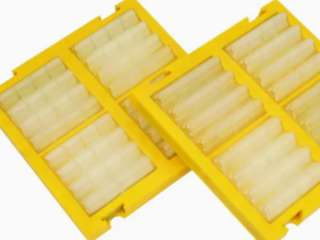 Screens in Sand Washing">
Sand washing operators love polyurethane Screens — until they get the invoice These flexible panels deliver impressive dewatering performance, but the consumable costs add up quietly across a busy production line
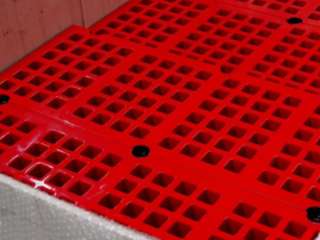 Screen Panels and Woven Wire Screens:Which Cuts the Noise in Ore Screening">
Stepping into a mineral processing workshop, one is immediately met with the deafening noise of material impacting the Screens; metal Screens, in particular, generate significantly more noise than polyurethane Screen panels
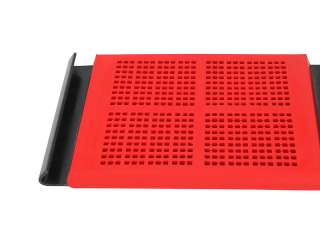 Screen">
Understanding how the elongation of polyurethane materials affects the tear resistance of polyurethane Screens helps in selecting Screens suitable for specific operating conditions, maximizing the Screen s value
 Screens in flammable dust environments">
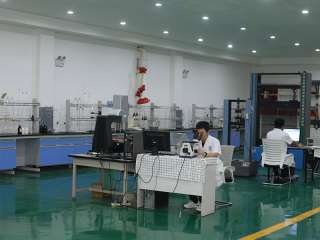
Properly deployed antistatic polyurethane Screens eliminate 90% of hidden static spark risks in high-flammability dust zones while retaining all the wear and efficiency benefits of regular polyurethane mesh
 Screens in the Screening of Fine-Grained Particles">
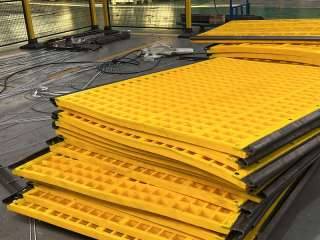
A properly designed high open-area polyurethane Screen can PUsh fine particle Screening efficiency above 95%, while still retaining the wear resistance and long service life that PU media is known for
 Screen Panels in the Screening of High-Viscosity Laterite Ore">
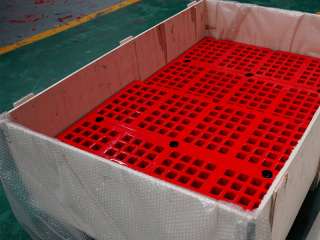
The right polyurethane Screen panel cuts that downtime drastically, Picking the wrong PU aperture design, can leave you wasting money on a product that still can’t handle the unique stickiness and abrasive properties of laterite ore
 Screen">
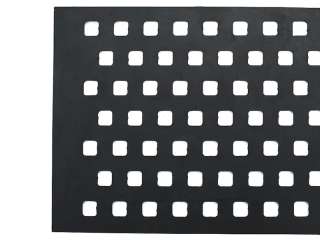
Choosing between rubber Screen plates and polyurethane Screen meshes is one of the most frequent dilemmas for aggregate, mining, and recycling operations
 Screens for Fine Iron and Gold Ores">
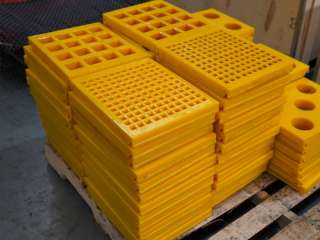
Upgrading to polyurethane Screens for fine mineral grading is a strategic move It solves the blinding issues associated with fine materials, guarantees precise classification, and ultimately boosts the efficiency of your operation
 Screens in Primary Crushing: How They Handle Large Ore Pieces">
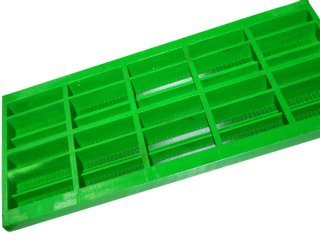
The shift toward heavy-duty polyurethane Screens isn t a trend It s a response to real wear problems when you re throwing 300mm+ ore at a Screen deck at full belt speed
