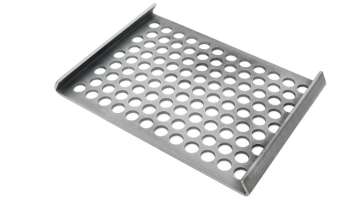
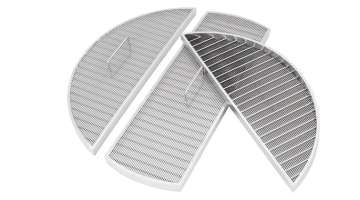
Procurement Decision Guide:Rubber and Polyurethane Screen
Choosing between rubber screen plates and polyurethane screen meshes is one of the most frequent dilemmas for aggregate, mining, and recycling operations. While both outperform traditional steel wire mesh, they serve different purposes. Picking the wrong one leads to premature wear, blinding, and wasted budget. This guide breaks down the differences to help you buy smarter.
Material Properties: Flexibility and Precision
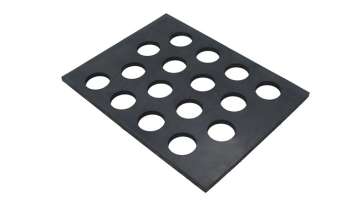
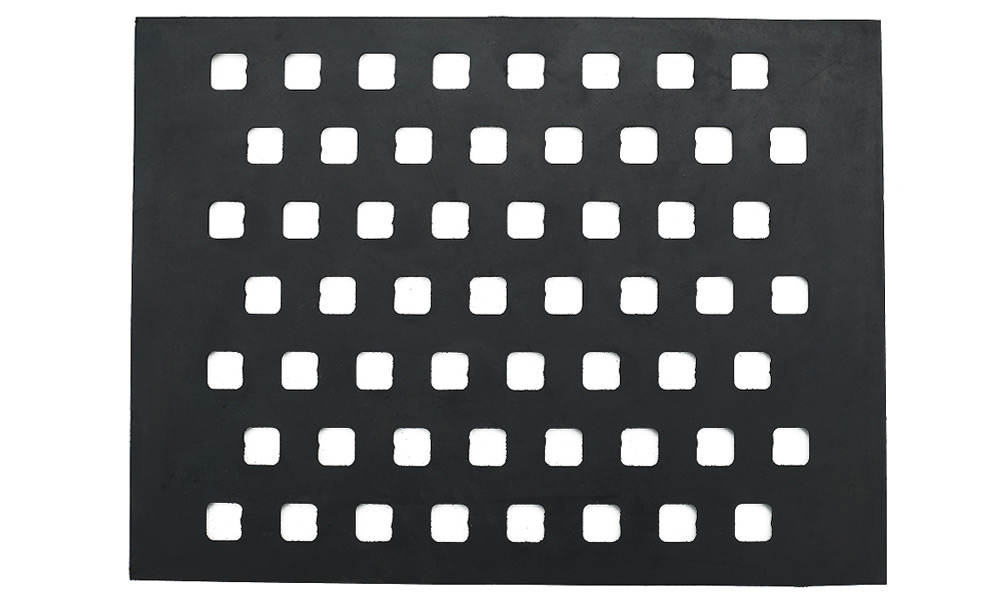
Rubber screen plates are made from natural or synthetic rubber compounds. They are exceptionally thick, soft, and flexible, making them masters of impact absorption. If you drop large, heavy rocks onto your screen deck, rubber acts like a shock absorber, protecting the machine structure from stress fractures. However, their flexibility makes them prone to stretching, so they are typically molded with larger apertures.Polyurethane screen meshes are made from a plastic-polymer hybrid. They are thinner, firmer, and more tear-resistant than rubber. Their key advantage is elasticity and precision. The material snaps back instantly after impact, preventing fine particles from sticking . Polyurethane can be manufactured with very small openings, making it the go-to choice for sand dewatering and fine sizing.
Application Scenarios of Rubber Screen and Polyurethane Screen
Choose Rubber Screen Plates for the following uses : Scalping decks:The top deck where large material enters the screen. Heavy impact zones:Quarries handling large granite or limestone boulders.Wet screening:Rubber handles high-moisture environments well without degrading quickly. Choose Polyurethane Screen Meshes for Fine screening: Separating sand, gravel, or minerals smaller than 10mm.Dewatering: Removing water from sand or coal slurry due to its precise hole geometry.High-wear areas: Bottom decks where smaller, sharper particles cause high abrasion rates.
Cost and Performance of These Two Screens
Rubber scrreen generally have a lower upfront cost, but they wear faster in fine-particle applications. Polyurethane panel has a higher initial price tag but often lasts 2 to 3 times longer in abrasive fine-screening roles. For many operations, the winning strategy is a hybrid approach: install rubber plates on the top deck for impact protection and polyurethane meshes on the lower decks for fine separation.
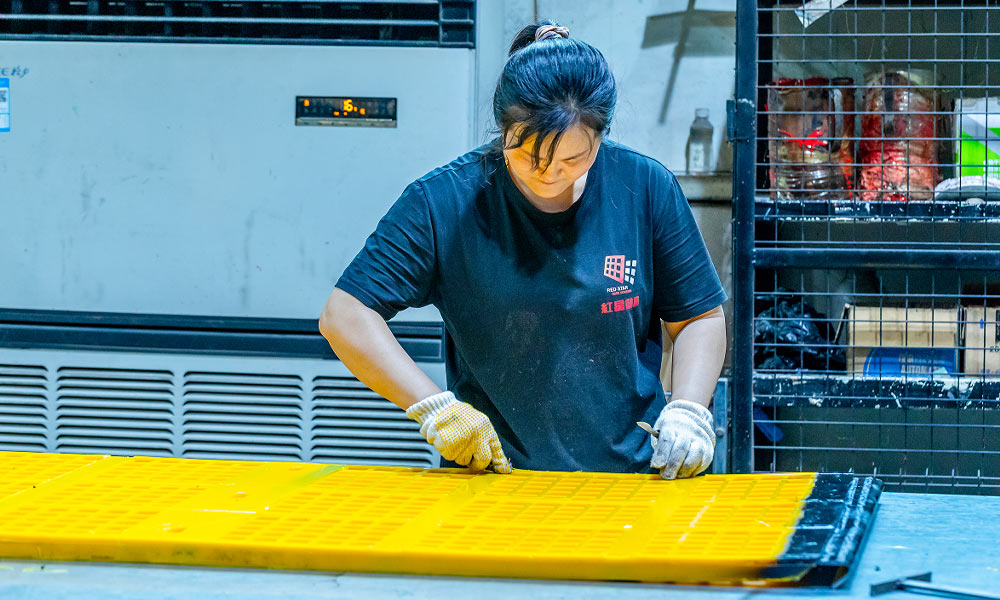
Your procurement decision should follow the "Impact vs. Abrasion" rule: use rubber where the material hits hardest, and use polyurethane where the material is finest and most abrasive. By matching the material properties to the specific demands of each screen deck, you maximize throughput, minimize blinding, and achieve the lowest total cost of ownership.