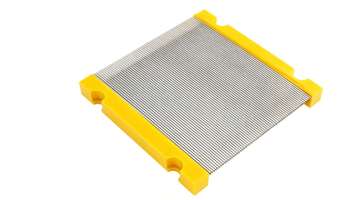
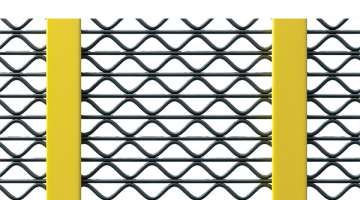
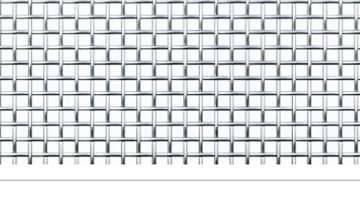
Graphite is notorious. It's slippery, it's fine, and it loves to stick to anything it touches — including your screen panels. In graphite ore processing, standard polyurethane screens clog within days as flakes coat every aperture. That's why anti-adhesion and anti-static polyurethane screen panels have become a real game-changer. They're not just softer rubber — they're engineered to repel graphite at the molecular level.
The Static Problem Nobody Mentions at the Sales Table
Graphite particles generate static charge like nobody's business. When they tumble across a screen surface, they cling electrostatically — almost like rubbing a balloon on your hair. Regular polyurethane doesn't dissipate that charge, so flakes pile up fast. Anti-static polyurethane screen panels incorporate conductive carbon black or metal fibers into the elastomer matrix, bleeding off static buildup before it becomes a problem. Without this, even the best aperture design fails.
Surface Chemistry That Actually Repels Graphite
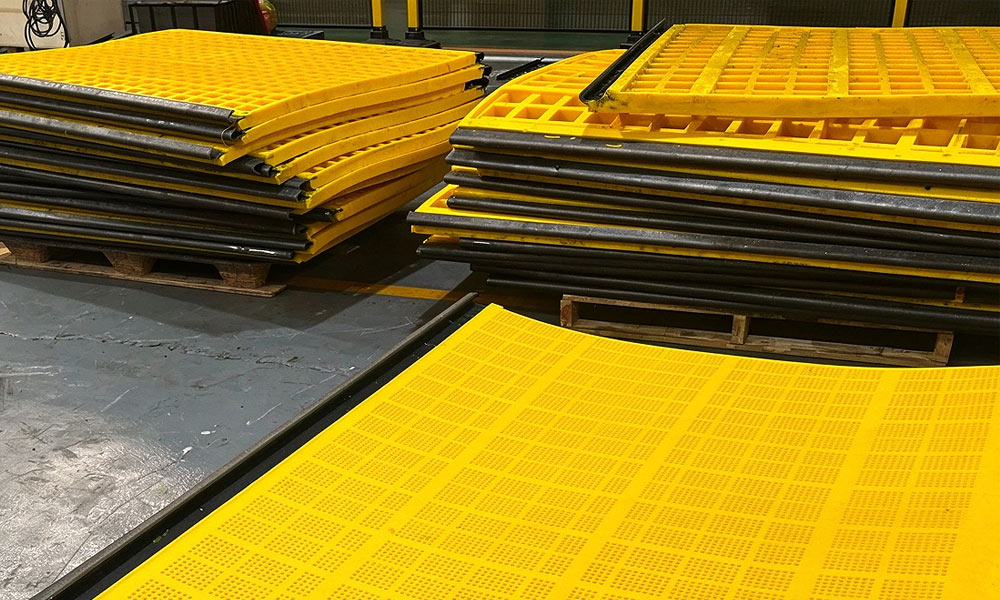
Anti-adhesion isn't about making things slippery — it's about disrupting the bond between graphite and the screen surface. Manufacturers tweak the polyurethane formula with fluoropolymer additives or textured surface finishes that reduce contact area at the microscopic level. Tapered, elliptical apertures with polished inner walls also help flakes slide through instead of nesting. The result? Open area stays usable longer and you're not scrubbing panels every shift.
Real Production Line Results Worth Noting
Plants that switched to purpose-built anti-adhesion polyurethane screen panels for graphite ore processing report 50-60% longer intervals between cleanings. Throughput stays steadier, and operator complaints about blinding drop dramatically. The panels do cost more upfront — typically 20-30% premium—but the reduction in labor and downtime pays for itself inside two months on most lines.
 If your current screens keep gumming up with graphite fines, don't just blame
the feed. Blame the panel. Anti-adhesion and anti-static polyurethane screen
panels exist specifically for this headache. Share your ore specs and production
rate — we'll help you find the right formulation before you waste another month
scrubbing flakes off dead screens.
If your current screens keep gumming up with graphite fines, don't just blame
the feed. Blame the panel. Anti-adhesion and anti-static polyurethane screen
panels exist specifically for this headache. Share your ore specs and production
rate — we'll help you find the right formulation before you waste another month
scrubbing flakes off dead screens.